Mini-Split Repair in Vassar, KS
For Vassar, KS homes, All Seasons Air Conditioning and Heating offers expert mini-split repair, from diagnosing common failures to ensuring rapid repair timelines. We cover frequent issues such as compressor and fan motor faults, refrigerant leaks, electrical and control-board problems, and thermostat errors, along with the diagnostic steps our technicians use to identify root causes. You'll learn about typical replacement parts, warranty considerations, emergency repair options, and scheduling expectations, ensuring timely service, accurate repairs, and restored comfort across individual rooms. This guide helps homeowners plan repairs confidently and efficiently.
Mini-Split Repair in Vassar, KS
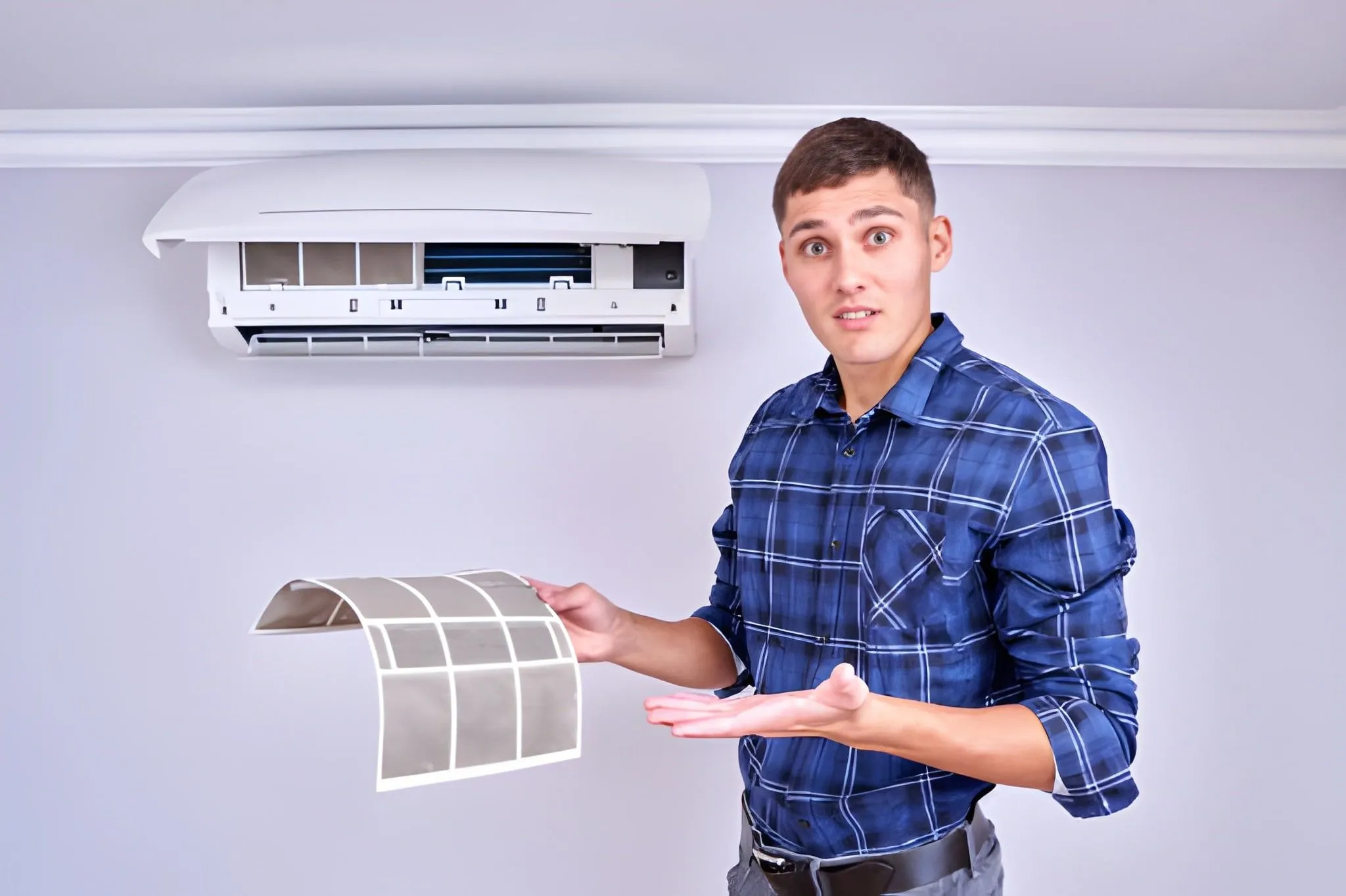
Ductless mini-split systems are a popular solution for Vassar, KS homes that need efficient zone cooling and heating without extending ductwork. When a mini-split stops performing—blowing warm air, making unusual noises, cycling frequently, or showing error codes—those problems cut into comfort and drive up energy bills. This page explains how local technicians diagnose and repair mini-split failures, what causes the most common breakdowns in this region, the repair process and timelines, warranty and parts considerations, emergency repair availability, and what to expect when you arrange service in Vassar.
Why timely mini-split repair matters in Vassar, KS
Vassar experiences hot, humid summers and cold winters, so mini-splits often handle year-round load. Small issues that start in spring or fall can become major failures during peak temperature months. Delaying repairs risks compressor damage, refrigerant loss, and reduced efficiency. Prompt diagnosis preserves system life, restores reliable comfort in individual rooms, and prevents higher energy and replacement costs later.
Common mini-split failures in Vassar homes
- Compressor problems: Hard-starting, humming, or failure to run. Compressors are the heart of the outdoor condensing unit; overheating, electrical damage, or low refrigerant can cause failure.
- Fan motor or blower failures: Indoor or outdoor fans that are noisy, run intermittently, or do not start reduce airflow and heat transfer.
- Electrical faults and control board issues: Power surges from storms, bad capacitors, relays, or fried PC boards are frequent causes of sudden shutdowns or error codes.
- Thermostat and control problems: Wireless remotes, wall controllers, or inverter communication faults can lead to incorrect setpoints or no response.
- Refrigerant leaks: Low refrigerant pressures, ice on the coil, or diminished cooling capacity commonly point to leaks in lines, brazed joints, or valves.
- Drain and condensate issues: Clogged drain lines or damaged condensate pumps cause leaks or auto-shutdowns.
- Sensor or thermostat cable failures: Faulty temperature sensors lead to short cycling or inaccurate room temperatures.
How technicians troubleshoot mini-split problems
Technicians follow a methodical diagnostic sequence to identify root causes rather than just treating symptoms:
Technicians in Vassar are typically EPA-certified to handle refrigerants and trained to service common mini-split brands and inverter-driven systems.
Typical repair solutions and parts replacement
- Capacitors, contactors, and fan motors: Often replaced same day when stock is available.
- Control boards and inverters: Replacements restore communication and variable-speed control; programming and commissioning may be required.
- Compressor replacement or motor overhaul: A major repair that often requires ordering OEM parts and extended replacement time.
- Refrigerant leak repair: Locate and repair leak, replace drier/filter, evacuate and recharge system with the correct refrigerant type, and test for integrity.
- Sensors and thermostats: Replacing faulty sensors or recalibrating controllers resolves temperature accuracy problems.
- Drain and condensate pump service: Clear blockages or replace failed pumps to prevent water damage.
Most reputable technicians will document replaced parts, confirm manufacturer part numbers, and discuss OEM versus aftermarket options when applicable.
Warranty options and documentation
- Manufacturer warranties: Typically cover major components such as compressors for a limited period. Coverage varies by brand and model.
- Labor warranties: Local service providers may offer limited labor warranties on repair work—common terms range from short-term to several months depending on the repair.
- Parts warranties: Parts installed carry either manufacturer or aftermarket guarantees; technicians should provide documentation for any new parts.Before authorizing major repairs, homeowners should ask which parts are covered by manufacturer warranty, whether labor is included, and what paperwork will be provided after service.
Expected timelines and what affects scheduling
- Diagnostic visit: Usually 30 to 90 minutes onsite to run tests and deliver a written assessment.
- Minor repairs: Cleaning, filter replacement, capacitor or fan motor swaps are often completed the same day if parts are available.
- Parts-ordered repairs: Inverter boards or compressors sometimes take several days to obtain and may require scheduling for return visits.
- Complex leak repairs or major component replacement: These can take multiple visits over 1 to several days for leak locating, part ordering, evacuation, recharge, and commissioning.
Factors affecting timeline include part availability for the specific mini-split model, accessibility of indoor/outdoor units, and seasonal demand. Severe weather and storm-related electrical damage can also increase wait times due to high local demand.
Emergency repair availability in Vassar
Some failures—complete loss of cooling during summer or a compressor that trips repeatedly—may be classified as emergencies because they directly affect safety or can cause rapid equipment damage. Local technicians often provide emergency response options during peak seasons and storm events. During an emergency-style call, expect an expedited diagnostic and temporary measures if a full repair cannot be completed immediately.
After repair: testing and preventive steps
After repairs, technicians should:
- Run the system through heat and cool cycles to confirm stable operation.
- Verify refrigerant charge and airflow.
- Clear and test condensate drains.
- Leave documentation showing replaced parts, warranty info, and recommended maintenance.To reduce future failures, consider routine maintenance: seasonal coil and filter cleaning, visual inspections, and membership in a maintenance plan that includes priority scheduling and discounted service.
How scheduling and the service visit typically work
Scheduling usually begins with describing symptoms and availability for a diagnostic visit. A technician will arrive with tools for testing and common replacement parts, perform a thorough diagnostic, explain findings in plain language, present repair options with parts/warranty implications, and then schedule any follow-up work. For Vassar homeowners, communicate any property access notes and system age/model information prior to the visit to streamline diagnostics.
Timely mini-split repair restores comfort, prevents costly secondary failures, and optimizes energy use for local Vassar homes facing seasonal extremes. A careful diagnostic-first approach ensures you get the right repair, the right parts, and clear warranty coverage so the system returns to reliable service.
Customer Testimonials
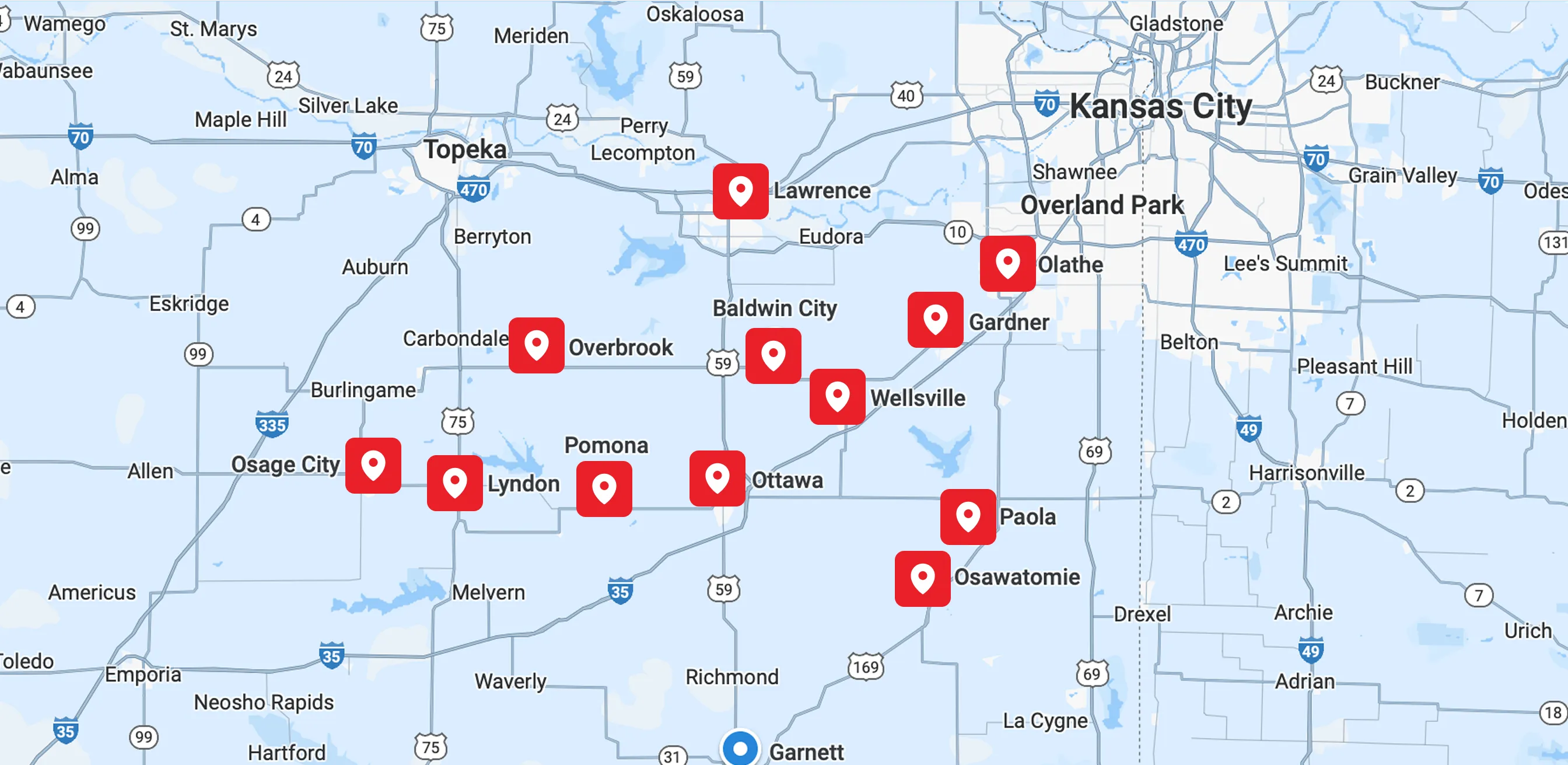
Service Areas