Heat Pump Repair in Ottawa, KS
Your Heat Pump Isn’t Keeping Your Home Comfortable
It is incredibly frustrating when you realize your home is starting to feel like the outdoors. Whether it is one of those humid July afternoons or a biting, windy morning in January, your heat pump is the one system responsible for your year-round comfort. In Ottawa, where we see everything from historic downtown homes to mid-century ranches, these systems are under constant pressure to perform.
When a heat pump starts acting up, it rarely fixes itself, and waiting usually makes the repair more complicated. You might notice the air coming from your vents just isn't the right temperature, or perhaps the outdoor unit is making a sound you have never heard before. These are the first signs that something inside the cabinet is struggling to keep up with the Kansas weather.
A malfunctioning system doesn't just compromise your comfort; it also starts eating away at your monthly budget through higher energy costs. Our team at All Seasons Air Conditioning, Heating & Plumbing is available to diagnose your system and get your home back to the temperature you expect.
.jpg)
Your Outdoor Unit Is Covered in Ice
It is perfectly normal to see a very light dusting of frost on your outdoor unit when it is cold outside. Your heat pump has a built-in defrost cycle specifically designed to melt that frost away so the unit can keep breathing. However, if you look outside and see a solid block of ice caked onto the coils, you have a real problem on your hands.
When the unit is encased in ice, it cannot pull heat from the outdoor air, which is how it warms your home in the winter. This is often caused by a failed defrost sensor, a bad relay, or even a reversing valve that is stuck in the wrong position. During our cold and damp winters here in Ottawa, an iced-over unit will quickly stop providing heat entirely.
If you see heavy ice buildup, you should turn the system off and call for service immediately. Running a frozen unit puts an incredible amount of stress on the fan motor and the compressor. We can quickly test the defrost components to find out why the system isn't clearing itself as it should.
The System Is Blowing the Wrong Temperature Air
One of the most common calls we get is from homeowners who say their heat pump is blowing cool air when it should be heating. Heat pumps move heat rather than creating it, and in the dead of winter, the air coming from the vents won't feel as hot as a gas furnace. But if that air is truly cold, something is definitely wrong with the cycle.
This issue often points toward a problem with the reversing valve, which is the part that tells the refrigerant which way to flow. If that valve gets stuck, your system might stay in cooling mode even when the thermostat is calling for heat. In the spring and fall, when Ottawa temperatures swing wildly in a single day, this component is working overtime.
We also look at the backup heating elements, often called heat strips, which are supposed to kick in when the outdoor temperature drops too low. If those strips are burnt out or have a loose connection, your home will feel chilly the moment the temperature dips. A quick electrical check can usually pinpoint if the issue is the valve or the backup heat.
You Hear Strange Grinding or Squealing Noises
Your heat pump should run with a steady, predictable hum and the sound of rushing air. If you start hearing metal-on-metal grinding, loud shrieking, or a persistent rattling, it is a cry for help from the mechanical parts. These noises are usually the result of a component that is physically wearing out or has come loose.
A high-pitched squealing often points to a failing blower motor or a fan belt that is slipping and needs adjustment. Grinding noises are more serious and usually indicate that the bearings in one of the motors are shot. If you hear a loud "clunk" when the system starts or stops, it could be a sign that the compressor mounts have failed.
Ignoring these sounds is a recipe for a much bigger repair bill down the line. A fan motor that is grinding will eventually seize up entirely, which can then cause the whole system to overheat. We can usually lubricate or replace these motors before they cause a total system shutdown.
Your Evergy Bills Have Suddenly Skyrocketed
Most homeowners in our area keep a close eye on their utility bills, especially during the peak of summer and winter. If you notice a sudden jump in your Evergy bill that doesn't match a change in the weather, your heat pump is likely losing efficiency. This happens when the system has to run twice as long to reach the same temperature.
There are several reasons why a system might suddenly start hogging electricity. A common culprit is a refrigerant leak, which forces the compressor to work much harder to move heat. Dirty coils can also be to blame, as they act like a blanket that prevents the system from "breathing" properly.
When a heat pump is struggling, it often resorts to using the expensive electric backup heat much more than it should. We can perform a full diagnostic to see why the system is dragging. Sometimes, a simple Heat Pump Maintenance & Tune-Up is all it takes to get those bills back down to a reasonable level.
Weak Airflow Coming From the Registers
If you put your hand up to a vent and can barely feel the air moving, your comfort is going to suffer. This is a common issue in some of our older Ottawa homes where the ductwork might be undersized or has become restricted over the decades. However, if the airflow used to be strong and has recently weakened, the problem is likely within the unit itself.
A clogged air filter is the most common reason for low airflow, but if the filter is clean, we look deeper into the system. A failing blower motor might be spinning too slowly to push the air through your home. We also check the evaporator coil inside your house to see if it has become clogged with dust or has frozen over into a block of ice.
Restricted airflow doesn't just make your rooms uncomfortable; it can actually kill your compressor. Without enough air moving over the coils, the refrigerant doesn't stay at the right temperature, which puts a massive load on the heart of your system. We will measure the static pressure in your ducts to find exactly where the air is getting stuck.
What is Causing Your Heat Pump to Fail?
When I walk up to a unit, I am looking for the root cause of the problem, not just the symptom. Understanding why a part failed helps us make sure the repair actually lasts. Here are the most common things we find when we open up a cabinet in this area.
Refrigerant Leaks in the Coils
A heat pump is a sealed system, meaning it should never "run out" of refrigerant. If the levels are low, there is a hole somewhere in the copper lines or the coils. The extreme temperature changes we get in Kansas cause these metal parts to expand and contract, which can eventually lead to tiny vibration cracks.
When the refrigerant level drops, the system can't absorb or release heat effectively. This makes the compressor run hotter than it was designed to, which eventually leads to a total mechanical failure. We use specialized tools to find these leaks, seal them up, and then recharge the system to the exact factory specifications.
Failed Capacitors and Contactors
Heat pumps rely on several electrical components to manage the high voltage needed to run the motors. The capacitor is like a small battery that gives the motor a kick-start every time it turns on. Because of the intense summer heat in Ottawa, these capacitors are often the first thing to fail.
The contactor is a switch that physically closes to send power to the outdoor unit. Over time, the silver pads on these switches can get pitted or even welded shut by electrical arcs. If you hear your unit "chattering" or clicking but it won't start, a failed contactor or capacitor is the most likely suspect.
A Malfunctioning Reversing Valve
The reversing valve is the "brain" of the refrigerant cycle, as it physically slides back and forth to change the unit from cooling to heating. It is a complex mechanical part that can occasionally get stuck in the middle or stop responding to the thermostat. This is a common issue as systems get older and the internal seals start to wear down.
Replacing a reversing valve is a major repair because it involves cutting into the refrigerant lines. However, sometimes the problem is just the solenoid coil that sits on top of the valve, which is a much simpler fix. We always check the electrical signal first to make sure we aren't recommending a big repair when a small one will do.
What to Expect During Your Service Visit
When you call us for a repair, we treat your home with the respect it deserves. A technician from All Seasons Air Conditioning, Heating & Plumbing will arrive in a professional vehicle with the tools and parts needed to handle most common issues right then and there. We start by asking you exactly what you have been experiencing, as your observations are often the best clues we have.
I will perform a thorough inspection of both the indoor and outdoor sections of your heat pump. This includes checking the electrical connections, measuring the refrigerant pressure, and inspecting the condition of your coils and filters. We don't just look at the part that broke; we look at the whole system to make sure nothing else is about to fail.
Once the problem is found, I will sit down with you and explain what is going on in plain English. You will get a clear, upfront price for the repair before any work starts. Our goal is to make sure you feel confident in the fix and comfortable in your home again. We take pride in serving our neighbors throughout the Ottawa community with honest, straightforward service.
Keeping Your System Running Longer
A repair is often an unexpected expense, but it can also be a wake-up call for the health of your system. Many of the calls I go on could have been prevented with a regular Heat Pump Maintenance & Tune-Up. Cleaning the coils and checking the electrical components once a year catches small problems before they leave you without air on a holiday weekend.
If your system is getting up there in age—usually 12 to 15 years—and you are facing a major repair like a bad compressor, we might need to look at the numbers. Sometimes investing in a Heat Pump Installation & Replacement is the smarter financial move. A newer unit will be much more efficient and will come with a fresh warranty, giving you peace of mind for the next decade.
In some cases, if the outdoor unit is fine but the indoor airflow is the problem, we might recommend a deep Air Duct Cleaning. This can remove years of Kansas dust and debris that might be choking your system and making it work harder than it should. We want to help you find the solution that makes the most sense for your budget and your home's needs.
The Real Cost of Delaying a Repair
It is tempting to put off a repair if the system is still "mostly" working, but that is a dangerous game to play with your HVAC system. A heat pump that is struggling with a small issue, like a failing capacitor or a slow refrigerant leak, is under an enormous amount of stress. That stress eventually spreads to other components, turning a simple fix into a major overhaul.
In our local climate, we don't really have a "mild" season where you can afford to be without a working system. A heat pump that is limping through the spring is almost guaranteed to fail completely during the first 95-degree week of summer. By addressing the problem now, you protect the most expensive parts of your system, like the compressor, from premature failure.
Furthermore, a malfunctioning system is a safety risk. Electrical issues can lead to scorched wires, and a system that is constantly cycling on and off can put a strain on your home's entire electrical panel. Taking care of it today ensures your family stays comfortable and your home stays safe throughout every season of the year.
Your Local Experts for Heat Pump Service in Ottawa
At All Seasons Air Conditioning, Heating & Plumbing, we live and work in the same community as you do. We understand the specific challenges that Kansas weather puts on your heat pump, and we know how to fix them right the first time. Our technicians are trained to work on all brands and models, ensuring you get the expert service you need.
Whether you have a historic home near the city center or a newer build on the outskirts of town, we have the experience to handle your heat pump needs. We are committed to providing fast, reliable service that keeps your home a sanctuary in any weather. Our team is proud to be the trusted choice for homeowners throughout Ottawa, KS, and the surrounding Franklin County area.
If your heat pump is making noise, blowing the wrong temperature, or causing your utility bills to spike, don't wait for a total breakdown. Give us a call today to schedule your diagnostic visit. Our team at All Seasons Air Conditioning, Heating & Plumbing is available to get your system back in peak condition.
Customer Testimonials
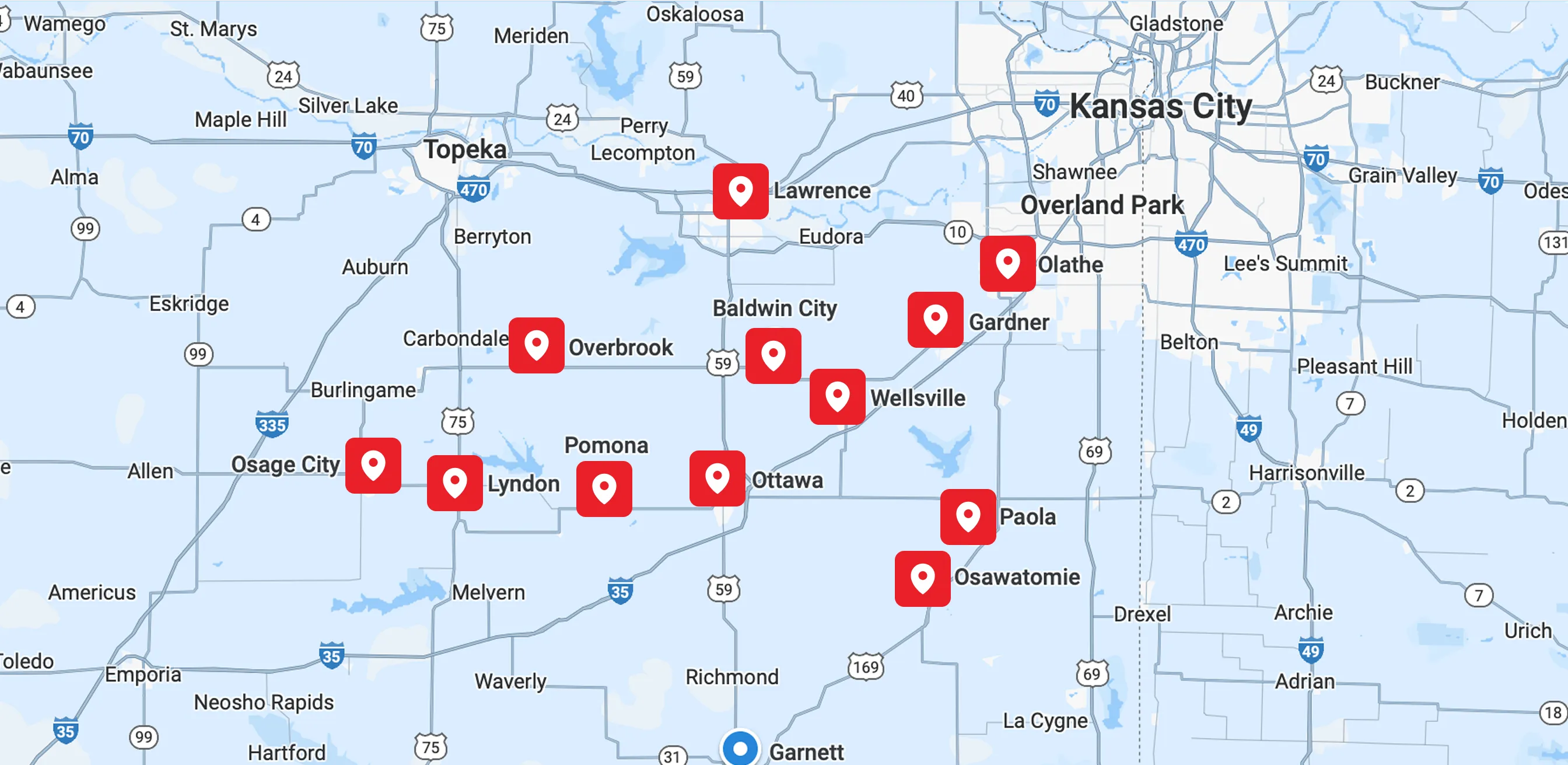
Service Areas