Tankless Water Heater Repair in Ottawa, KS
Troubleshooting Your Tankless Water Heater Issues in Ottawa
It is incredibly frustrating to step into the shower expecting a steady stream of hot water only to be met with a blast of ice-cold air or a temperature that fluctuates wildly. In Ottawa, we see this often because our local infrastructure and housing stock, from the historic homes near downtown to the mid-century ranches throughout Franklin County, put unique stresses on high-efficiency plumbing systems. Whether your unit is displaying a cryptic error code or simply failing to keep up with your family’s morning routine, you need an expert who understands how these systems behave in our specific climate. All Seasons Air Conditioning, Heating & Plumbing is available to diagnose and repair your tankless system quickly and efficiently.
.webp)
Water That Never Quite Gets Hot Enough
One of the most frequent complaints I hear from homeowners is that the water is lukewarm rather than hot. You might notice that you have to turn the handle all the way to the hot side just to get a comfortable temperature, or perhaps the water starts warm but loses its heat within minutes. This is a classic sign that your unit is struggling to transfer heat from the burners to the water flowing through the heat exchanger.
In our area, this is almost always a result of the hard water common throughout Ottawa. Over time, calcium and magnesium deposits create a layer of insulation inside the narrow copper pipes of your heat exchanger. This layer prevents the heat from reaching the water effectively, forcing the unit to run longer and hotter just to reach a basic temperature.
If you are noticing this gradual decline in performance, it is often a sign that a professional descaling is needed. This process is a core part of a proper Tankless Water Heater Maintenance & Tune-Up and can often restore your unit to like-new performance without the need for expensive part replacements.
The Frustrating Cold Water Sandwich
If you have ever been halfway through a shower and suddenly felt a ten-second burst of cold water before it returns to hot, you have experienced the cold water sandwich. This happens when the unit fails to ignite quickly enough after a previous use or when the internal sensors are beginning to fail. It is a common symptom of a system that is starting to struggle with internal timing and ignition sequences.
This issue can be particularly prevalent in older homes in the historic core of the city, where the plumbing layout might involve longer pipe runs. When the unit doesn't fire up the moment it senses flow, that gap in heating creates a pocket of cold water that eventually reaches your faucet. While it might seem like a minor annoyance, it is usually a signal that a flow sensor or an igniter is wearing out.
Correcting this problem typically involves testing the sensitivity of the flow sensor and checking the condition of the burner assembly. We want to make sure that the moment you turn on that tap, the unit responds instantly. If these small components are ignored, they can eventually lead to a total system lockout where you have no hot water at all.
Popping or Rumbling Noises During Operation
Tankless water heaters are designed to be relatively quiet, usually producing only a soft hum from the fan and the sound of the burners firing. If you start hearing loud popping, clicking, or rumbling sounds coming from the unit, it is time to pay attention. These noises are rarely a good sign and usually indicate that something is physically obstructing the internal processes of the heater.
In many cases, these sounds are caused by the same mineral scale that affects water temperature. When water gets trapped underneath a layer of scale on the heat exchanger, it can flash-boil and create a mini-explosion of steam, which creates that popping or banging sound. It is very similar to how a traditional tank heater sounds when it has too much sediment at the bottom.
Ignoring these sounds is a gamble because the constant localized overheating can cause the metal of the heat exchanger to fatigue and eventually crack. If we catch it early, we can usually flush the system and clear the debris. However, once a heat exchanger is damaged, the conversation often shifts toward a full Tankless Water Heater Installation & Replacement.
Error Codes and System Lockouts
Most modern tankless units are essentially computers that heat water, and they are equipped with sensors that monitor everything from gas pressure to exhaust temperature. When something goes wrong, the unit will often shut itself down for safety and display a numeric error code on the front panel. While these codes can be confusing for a homeowner, they are a roadmap for a technician.
These lockouts can be triggered by a wide variety of issues, ranging from a dirty flame sensor that can't "see" the fire to an exhaust vent that has become obstructed. In Ottawa, we sometimes see units shut down because of the high humidity or heavy winds that Kansas is known for, which can interfere with the way the unit vents or pulls in fresh air.
If your unit is showing an error code, the worst thing you can do is keep resetting it. The system is shutting down to protect itself and your home. Our team can quickly interpret these codes, trace the failure to the specific component, and perform the necessary repair to get the system safely back online.
Sudden Drops in Hot Water Pressure
If your cold water pressure is strong but the hot water is barely a trickle, the blockage is almost certainly inside your tankless unit. Because the internal passageways of a tankless heater are so much smaller than a traditional tank, they are much more susceptible to clogs. Even a small amount of debris or scale can significantly restrict the volume of water that can pass through the system.
This problem often starts at the inlet filter, which is designed to catch sediment before it enters the heater. If that filter is clogged, the entire house loses hot water pressure. However, if the blockage has moved into the heat exchanger itself, the repair becomes more involved.
We see this frequently in homes where the plumbing hasn't been serviced in several years. Restoring your pressure usually involves a deep cleaning of all filters and a high-pressure flush of the heat exchanger. It is a straightforward fix that makes a massive difference in your daily comfort and the efficiency of your appliances.
Understanding Why Tankless Systems Fail in Ottawa
Hard Water and Mineral Calcification
The primary threat to plumbing in Franklin County is the high mineral content in our water. Calcium and magnesium are invisible when they are dissolved in cold water, but the moment they hit the high temperatures inside a tankless heater, they solidify. This creates a rock-hard crust that coats the most sensitive parts of your system.
Because a tankless unit heats water instantly using intense flame, those minerals drop out of the water very quickly. This makes scale buildup happen much faster in a tankless unit than it does in a traditional tank. Without regular intervention, this scale acts like a chokehold on your system, reducing efficiency and eventually causing physical damage.
When I come out for a repair, I always check the level of calcification first. If the scale is significant, we use a specialized pump and food-grade acid solution to circulate through the unit for about an hour. This dissolves the minerals and flushes them away, which is often all it takes to get a struggling unit back to peak performance.
Venting and Air Intake Obstructions
Tankless water heaters require a precise balance of fresh air for combustion and a clear path to exhaust the carbon monoxide they produce. Because these units are often retrofitted into older Ottawa homes, the venting systems can be complex. If the intake or exhaust becomes even partially blocked, the unit will fail to operate correctly.
In our established neighborhoods with plenty of mature trees, we often find that leaves, bird nests, or even spider webs have found their way into the exterior vent hoods. During our windy Kansas winters, snow and ice can also build up around the vents, triggering a safety shutdown. A blocked vent is not just a performance issue; it is a serious safety concern for your family.
When we perform a repair, we don't just look at the unit; we look at the entire venting path. We make sure the pipes are sloped correctly to prevent condensation from backing up into the heater and ensure the exterior terminations are clear. This prevents recurring error codes and ensures your system is venting dangerous gases safely outside your home.
Component Wear and Electronic Failures
The sophisticated nature of tankless heaters means there are more moving parts and electronic sensors than a standard water heater. Flame sensors, igniters, flow turbines, and control boards all have a finite lifespan. In a high-demand household, these components can eventually wear out after years of constant cycling.
The climate in Kansas can also play a role, especially for units that are mounted on exterior walls or in unconditioned spaces like garages. The swings between high summer humidity and bitter winter cold can take a toll on electronic connections. Over time, moisture can cause corrosion on the control board or sensor wiring, leading to intermittent failures.
We carry a wide range of common replacement parts for major tankless brands, which allows us to fix these electronic issues on the spot. Replacing a faulty sensor or a worn-out igniter is often a very cost-effective way to extend the life of your heater for several more years. It is much better than struggling with a unit that only works half the time.
What to Expect During Our Visit to Your Home
When a technician from our team arrives at your door, the first thing we do is listen to you. You are the one who has been living with the problem, and your description of the noises, smells, or temperature changes is the best diagnostic tool we have. We will ask when the problem started and if it happens at specific times of the day or at specific faucets.
Next, I will perform a physical inspection of the unit, checking for leaks, loose wiring, or signs of overheating. I will pull the error code history from the unit’s computer to see if there have been hidden issues that haven't caused a full shutdown yet. This comprehensive approach ensures that we aren't just fixing a symptom, but actually solving the root cause of the failure.
Once I have identified the problem, I will explain it to you in plain English. I believe you should understand exactly what is happening with your home’s plumbing. I will provide you with a clear, upfront price for the repair before I start any work. All Seasons Air Conditioning, Heating & Plumbing prides itself on transparent communication, so there are never any surprises when the job is done.
Keeping Your Hot Water System Reliable
While we are experts at fixing broken systems, we always prefer to help you avoid the breakdown in the first place. Many of the repairs we perform could have been prevented with a consistent Tankless Water Heater Maintenance & Tune-Up. Regular descaling and sensor cleaning are the best ways to ensure your unit reaches its full twenty-year life expectancy.
If your system is older or if the repair costs are starting to climb, we might discuss whether a Tankless Water Heater Installation & Replacement is a better long-term investment for your home. Newer models are even more efficient and have better resistance to scale buildup than units from a decade ago. We can help you weigh the costs so you can make the best decision for your budget.
Sometimes, what looks like a water heater problem is actually an issue with the broader plumbing or gas lines. If we find that your water heater is fine but your gas pressure is low or your pipes are leaking elsewhere, we can transition to a general Water Heater Repair & Service or other plumbing diagnostics to ensure the whole system is working in harmony.
The Risks of Waiting to Fix Your Tankless Unit
It can be tempting to ignore a minor temperature fluctuation or a small leak, but with tankless water heaters, problems tend to accelerate. Because these units operate under high pressure and intense heat, a small issue can quickly lead to a catastrophic failure of the heat exchanger. In our Ottawa climate, you don't want to be caught without hot water during a cold snap.
There is also the matter of your utility bills. A unit that is choked with scale has to burn much more gas to heat the same amount of water, which shows up directly on your monthly expenses. Furthermore, any issue involving gas ignition or venting carries a potential safety risk. Addressing the problem now protects your wallet, your comfort, and your home’s safety.
Waiting also limits your options. A simple cleaning or a sensor replacement is an easy afternoon job. If you wait until the heat exchanger cracks or the control board fries, you may be forced into an emergency replacement that costs significantly more. Taking action at the first sign of trouble is always the most cost-effective path for any homeowner.
Your Local Ottawa Tankless Water Heater Experts
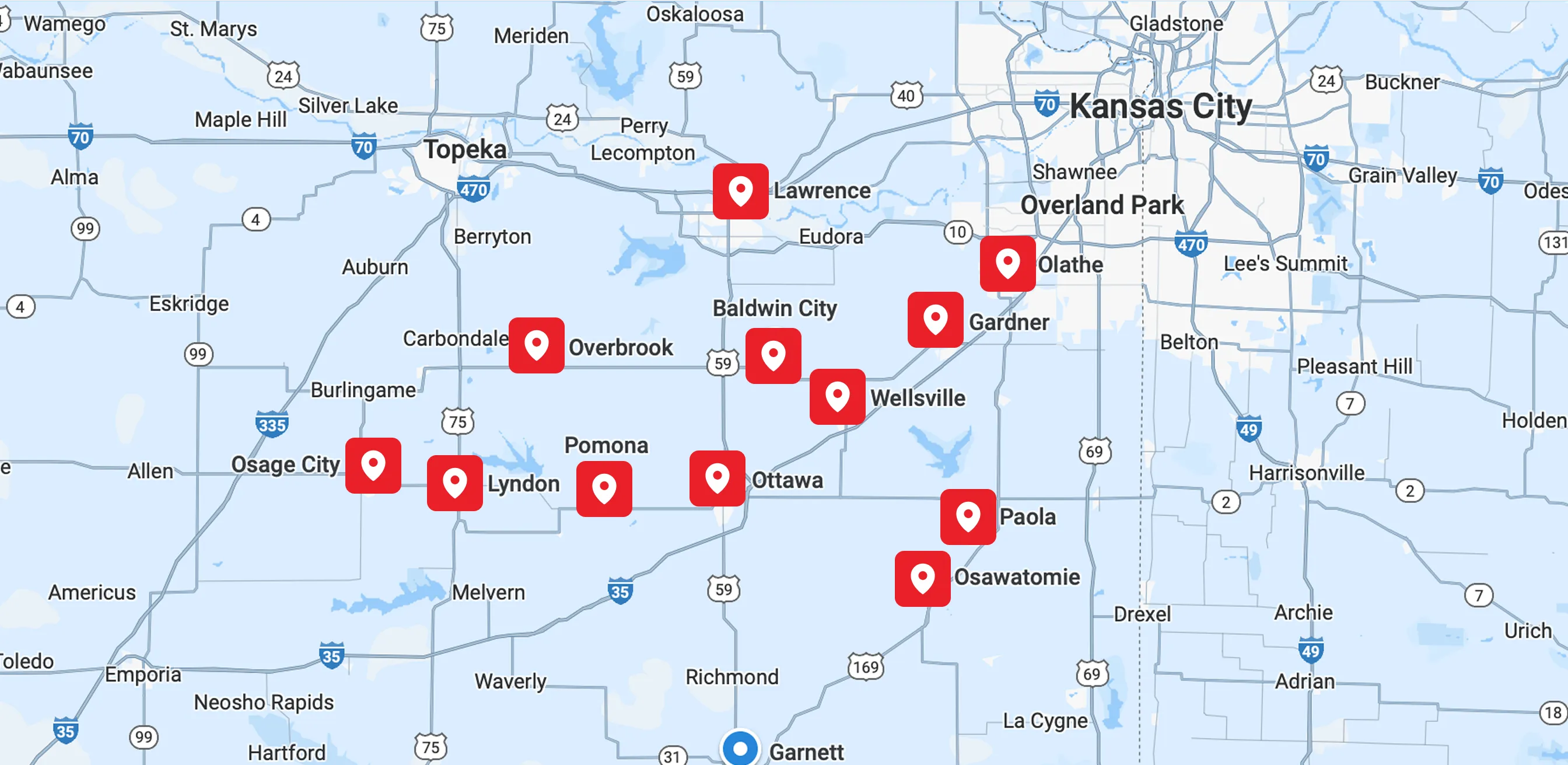
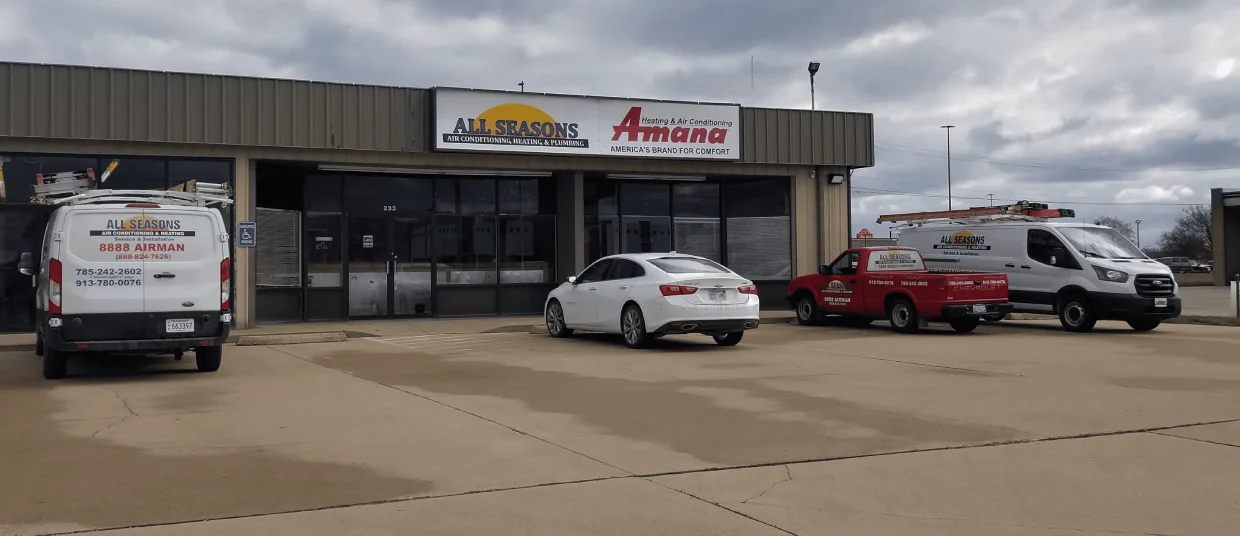
We take great pride in serving the Ottawa community and helping our neighbors keep their homes running smoothly. Whether you live in a beautiful Victorian home near the city center or a modern split-level on the edge of town, we have the specialized tools and local experience to handle your tankless water heater needs. We understand the specific challenges of Franklin County water and Kansas weather, and we are committed to providing lasting solutions.
You deserve a hot shower that you can rely on every single day without worrying about error codes or cold bursts. Our technicians are highly trained on all major brands and are ready to bring their expertise to your doorstep. We don't just fix appliances; we restore the comfort and convenience of your home.
Don't let a failing water heater disrupt your life any longer. We are ready to provide the honest, high-quality service you expect from a local business. Contact All Seasons Air Conditioning, Heating & Plumbing today to schedule your tankless water heater repair and get your hot water back on track.
Customer Testimonials
Service Areas