Tankless Water Heater Installation in Ottawa, KS
Solving Your Hot Water Frustrations in Ottawa
It is incredibly frustrating to step into the shower only to realize the water is barely lukewarm, especially when you are the second or third person in line. In many of the older, historic homes near downtown Ottawa, families often struggle with outdated tank systems that simply cannot keep up with modern demands. Whether you are dealing with a leaking tank in your basement or a system that has been choked by the heavy mineral content in our local water, you need a solution that works every time you turn on the tap. All Seasons Air Conditioning, Heating & Plumbing is available to help you transition to a more reliable hot water system today.
.webp)
Signs Your Water Heater is Reaching Its Breaking Point
Your Hot Water Runs Out Too Fast
If you find yourself rushing through a shower because you know the hot water is about to vanish, your current system is failing you. This often happens because sediment has settled at the bottom of a traditional tank, taking up space that should be filled with hot water. In Ottawa, our groundwater temperatures drop significantly during the winter months, making it even harder for an aging or undersized tank to maintain a steady temperature for the whole family.
Strange Noises Coming from the Utility Closet
Rumbling, popping, or banging sounds coming from your water heater are more than just a nuisance; they are a cry for help. These noises are typically caused by mineral scale buildup, which is a major issue throughout Franklin County due to our hard water. As the burner heats the water, steam bubbles have to push through that thick layer of crusty sediment, creating those loud pops and indicating that your unit is under extreme stress.
Discolored or Rusty Water at the Tap
When you turn on the hot water and see a reddish or brown tint, it is often a sign that the inside of your water heater tank is corroding. While a sacrificial anode rod is designed to prevent this, those rods eventually dissolve, leaving the steel tank vulnerable to rust. For homeowners in Ottawa's mid-century ranch neighborhoods, many of these original tanks are now well past their life expectancy and are likely rusting from the inside out.
Visible Leaks or Moisture Around the Base
Any sign of water pooling around your heater is a serious red flag that requires immediate attention. A small damp spot today can easily turn into a catastrophic tank failure tomorrow, potentially flooding your basement or utility room. Because traditional tanks hold 40 to 50 gallons of water under pressure, a structural failure can cause significant property damage in a very short amount of time.
Rising Monthly Energy Costs
If your utility bills are creeping up but your hot water usage hasn't changed, your water heater is likely losing its efficiency. As sediment builds up inside the unit, the burner has to stay on much longer to heat the water through the layer of "rock" at the bottom of the tank. This wasted energy adds up quickly, especially when you are paying to keep a large tank of water hot 24 hours a day, even when nobody is home.
Why Ottawa Homeowners Choose Tankless Upgrades
Combating the Effects of Local Hard Water
The water in our area is known for being rich in minerals, which is the natural enemy of traditional tank-style heaters. While these minerals can still affect a tankless unit, the design of a tankless system makes it much easier to manage through regular Tankless Water Heater Maintenance & Tune-Up. Because there is no large tank for sediment to settle in, we can perform a professional flush that clears out the heat exchanger, keeping the system running like new for much longer than a standard tank.
Navigating the Needs of Historic and Older Homes
Ottawa is full of beautiful historic homes that were built long before modern plumbing standards were established. Installing a high-efficiency tankless system in these houses often requires a technician who understands how to retrofit gas lines and venting into older structures. We frequently help homeowners upgrade their gas lines to provide the necessary fuel for a tankless unit, ensuring the system has the power it needs to flash-heat water on demand.
Reclaiming Valuable Square Footage
A traditional water heater is essentially a large, heavy cylinder that takes up significant floor space in your basement or closet. By switching to a tankless model, which is roughly the size of a suitcase and mounts directly to the wall, you can free up several square feet of space. Many of our neighbors in Ottawa find this extra room invaluable for storage or for finishing out a basement area that was previously cluttered by a bulky appliance.
Handling Kansas Temperature Swings
In our part of the country, the water entering your home from the city lines can be near freezing in the winter and quite warm in the summer. A tankless system must be sized correctly to account for this temperature "rise" to ensure you have consistent heat during a cold January morning. Our team specializes in calculating the specific needs of your household so that your Tankless Water Heater Installation & Replacement provides the exact flow rate you need, regardless of the season.
What to Expect During Your Tankless Installation
When a technician from All Seasons Air Conditioning, Heating & Plumbing arrives at your door, the first thing we do is a complete assessment of your home's infrastructure. We don't just swap one box for another; we look at your existing gas pressure, your electrical capacity, and the best path for new venting. Because tankless units require specific venting to safely move exhaust outdoors, we plan the installation to be as unobtrusive as possible while meeting all local Ottawa building codes.
Once the plan is in place, we carefully remove your old, heavy tank and dispose of it properly so you don't have to worry about the mess. We then mount the new tankless unit, install the necessary piping, and set up the digital controls to your preferred temperature. We take the time to walk you through how the system works, showing you how to check the status of the unit and explaining why a regular Tankless Water Heater Maintenance & Tune-Up is the best way to protect your investment.
Before we consider the job done, we test the unit under a full load, running multiple hot water taps simultaneously to ensure the system maintains a steady temperature. We also check for any gas leaks and verify that the venting is drafting perfectly. Our goal is to leave you with a system that is safer, more efficient, and much more reliable than what you had before.
Maintaining Your System for Long-Term Performance
The Importance of Annual Descaling
Even the best tankless water heater can struggle if it is never serviced, particularly with the mineral-heavy water we have here in Kansas. Over time, calcium can bake onto the walls of the heat exchanger, acting as an insulator and forcing the unit to work harder. We recommend a professional descaling once a year to keep the internal components clean and to ensure your energy bills stay as low as possible.
Addressing Performance Issues Early
If you ever notice a slight drop in water pressure or if the temperature seems to fluctuate, it might be time for a Tankless Water Heater Repair & Service. Often, these issues are caused by something simple like a clogged inlet filter or a sensor that needs a quick cleaning. Taking care of these small problems early prevents them from turning into major repairs or causing a system shutdown when you need hot water the most.
Coordinating with Your Whole-Home Systems
Sometimes, water heater issues are actually related to other systems in the home, such as a drop in gas pressure that also affects your furnace. While we are looking at your plumbing, we can also ensure your other gas-fired appliances are operating safely. If you are already planning major upgrades, such as a Furnace Installation & Replacement, it is often the perfect time to look at your water heating needs as well to ensure your home's total energy footprint is optimized.
The Risks of Delaying Water Heater Replacement
Choosing to ignore a failing water heater is a gamble that rarely pays off for homeowners. A tank that is already showing signs of rust or minor leaking can experience a catastrophic failure at any time, often when nobody is home to shut off the main water valve. The cost of cleaning up a flooded basement and replacing damaged drywall or flooring far outweighs the price of a proactive Tankless Water Heater Installation & Replacement.
Furthermore, every month you spend with an inefficient, sediment-filled tank is money wasted on your gas or electric bill. In Ottawa, where we experience full seasonal extremes, having a dependable and efficient way to heat water is a matter of both comfort and fiscal responsibility. Replacing an old unit before it dies completely allows you to choose the best system for your needs at your own pace, rather than making a rushed decision during an emergency.
Contact Your Local Ottawa Tankless Experts
You deserve a home where hot water is a given, not a luxury that depends on who got to the bathroom first. Whether you are living in a historic gem near the university or a comfortable ranch-style home, a modern tankless system can completely change how your household functions. All Seasons Air Conditioning, Heating & Plumbing is ready to help you find the perfect hot water solution for your home in Ottawa and the surrounding areas. All Seasons Air Conditioning, Heating & Plumbing is available to help you transition to a more reliable hot water system today.
Customer Testimonials
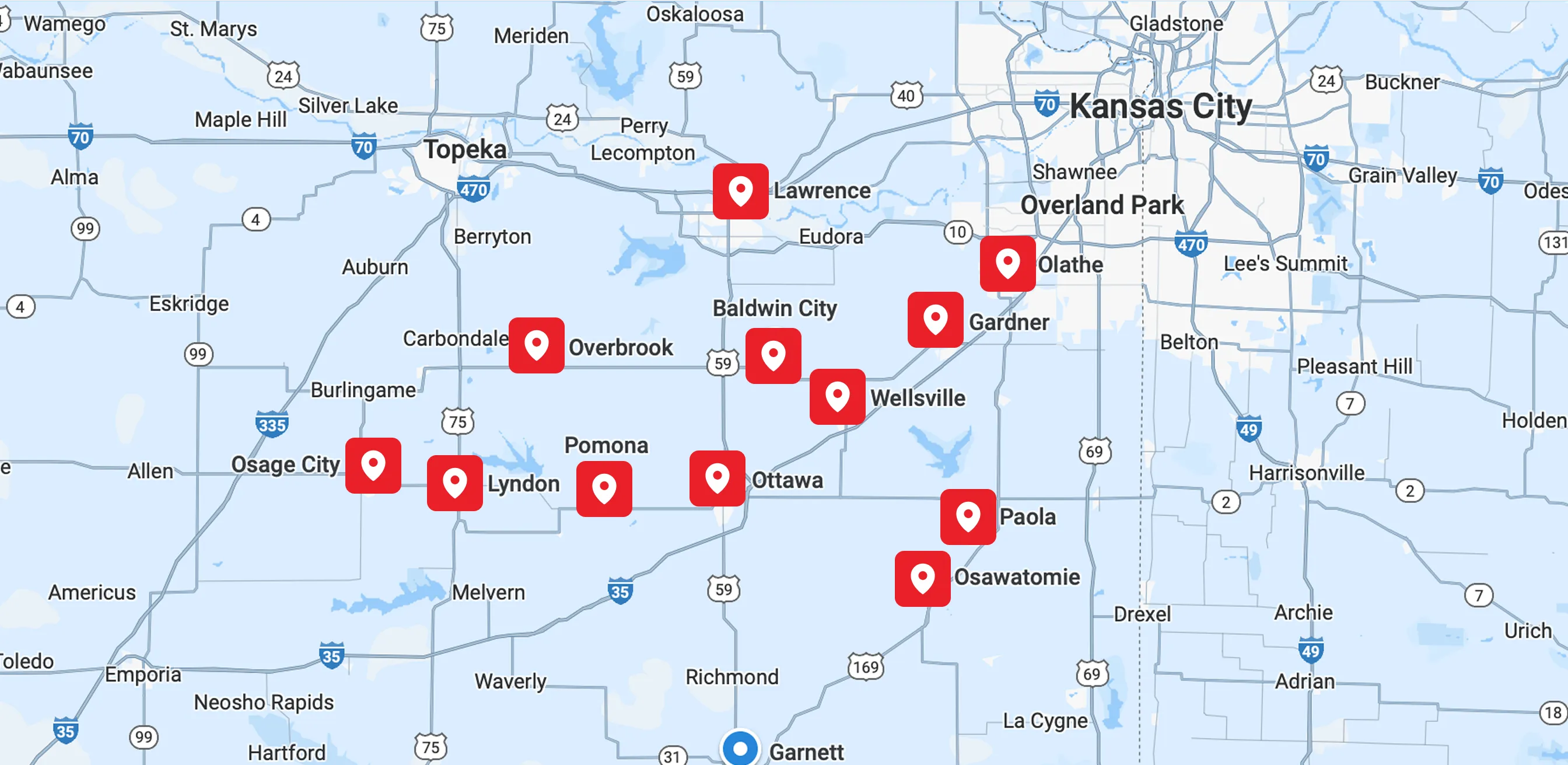
Service Areas