Heating Installation in Ottawa, KS
Is Your Heating System Struggling to Keep Up with the Kansas Cold?
Walking into a cold living room when the wind is whipping across the plains is a frustration no homeowner wants to deal with. Whether you live in one of the historic Craftsman homes near downtown Ottawa or a mid-century ranch closer to the edge of town, your heating system is the only thing standing between you and the brutal Kansas elements. When that system starts to falter, it does more than just make you uncomfortable; it creates a stressful environment for your entire family.
Many of the homes in our area still rely on systems that were installed decades ago, and those units are reaching a point where they simply cannot maintain a consistent temperature anymore. You might notice that some rooms stay chilly while others are stifling, or perhaps you are constantly adjusting the thermostat just to stay moderately warm. When your equipment reaches this stage, it is often a sign that a simple fix is no longer enough to ensure your long-term comfort and safety. All Seasons Air Conditioning, Heating & Plumbing is available to help you navigate these heating challenges and find a reliable solution for your home.
.jpeg)
Your Furnace is Reaching the Fifteen Year Mark
In many of the established neighborhoods throughout Ottawa, we see a lot of furnaces that have been running since the late nineties or early two thousands. While these systems were built to last, the typical lifespan of a forced-air furnace is generally fifteen to twenty years. Once you cross that fifteen-year threshold, the internal components have endured thousands of heating cycles, and the metal begins to fatigue.
As these parts wear down, the system has to work much harder to produce the same amount of heat it did when it was new. This extra effort leads to more frequent breakdowns and a significant drop in overall reliability. If your system is hitting this age range, it is often more cost-effective to look at replacement options rather than continuing to sink money into an aging unit.
A Noticeable Spike in Monthly Utility Costs
Have you noticed your monthly bill from Kansas Gas Service or Evergy steadily climbing even though you haven't changed your heating habits? This is one of the most common signs that your heating system is losing its efficiency. As mechanical parts like the blower motor or the gas valve start to fail, the system runs for longer periods to reach the temperature set on your thermostat.
In our local climate, where the wind chill can drive temperatures down quickly, an inefficient furnace will run almost non-stop. This constant operation translates directly into higher energy bills without any actual improvement in the warmth of your home. A new, high-efficiency system can often pay for itself over time through the significant reduction in monthly energy consumption.
Strange Noises Coming from the Ductwork or Unit
A heating system should operate with a consistent, predictable hum, but when components start to fail, they often let you know with loud protests. You might hear banging, whistling, or a high-pitched squealing sound coming from your mechanical closet or through the vents. These noises are usually the result of a failing motor, a cracked belt, or even an issue with the ignition process.
In older homes with original ductwork, these sounds can be amplified and travel through every room in the house. While some noises can be addressed through standard Heating Repair & Service, persistent or worsening sounds often indicate that the core components of the system are beyond their useful life. Ignoring these warnings can lead to a total system failure at the most inconvenient time possible.
Uneven Temperatures and Stubborn Cold Spots
If you find yourself huddled under a blanket in the living room while the bedrooms feel like a sauna, your heating system is no longer distributing air effectively. This is a frequent issue in the larger ranch-style homes found in many parts of Ottawa, where the long footprints make it difficult for an aging blower motor to push air to the furthest registers. You should not have to avoid certain rooms in your house just because the heater cannot reach them.
This lack of consistency is often a sign that the system is either undersized for the home or that the internal components are too weak to maintain the necessary airflow. When we look at a home for a new installation, we perform detailed calculations to ensure the new unit is perfectly matched to the specific layout of your house. This ensures that every corner of your home stays comfortable, regardless of the temperature outside.
Common Reasons a Heating System Requires Replacement
A Cracked Heat Exchanger is a Serious Risk
The heat exchanger is the most critical part of your furnace because it is responsible for transferring heat to the air while keeping dangerous combustion gases separate. Over time, the constant expansion and contraction of the metal can cause small cracks to form. In the Kansas climate, where our systems run heavily for several months a year, this wear and tear is accelerated.
A cracked heat exchanger is not something that can be safely repaired; it almost always requires a full system replacement. This is because a crack allows carbon monoxide to leak into the air that circulates through your home. Our technicians use specialized tools to inspect for these cracks because protecting your family from gas leaks is our highest priority during any service visit.
Outdated Technology and Inefficiency
The technology used in modern heating systems has improved drastically over the last decade. Many older homes in the area are equipped with systems that only convert about eighty percent of the fuel they burn into actual heat for the home. The rest of that energy is simply wasted and sent out through the chimney or vent pipe.
Newer high-efficiency models can reach ratings of ninety-five percent or higher, meaning almost all the energy you pay for is used to keep you warm. Beyond just saving money, these modern systems often include advanced features like variable-speed blowers that provide much more consistent airflow. Transitioning from an old, basic unit to a modern system is one of the best ways to upgrade the overall comfort of your living space.
Previous Improper Sizing or Installation
Sometimes the problem isn't just the age of the system, but how it was originally installed. We often find homes where the furnace is either too large or too small for the actual square footage and insulation levels. An oversized system will turn on and off rapidly, which wears out the components and never properly dehumidifies the air.
Conversely, a system that is too small will run indefinitely without ever reaching the desired temperature, leading to a shortened lifespan. When we come out to your home, we don't just look at the old unit and swap it for the same size. We take the time to evaluate your home's needs based on its current windows, insulation, and layout to ensure the new installation is sized correctly for peak performance.
What to Expect During Our Installation Visit
When a technician from our team arrives at your home, the first thing we do is protect your property. We use floor coverings and protective gear to ensure that the work area remains clean and that your flooring is shielded from any debris. We understand that we are guests in your home, and we treat your space with the same respect we would give our own.
The process begins with a thorough final walkthrough of the installation plan. We explain exactly where the new unit will go, how the venting will be handled, and what changes might be needed for the gas or electrical lines. This is the time when we answer any final questions you have so that you feel completely confident in the work being performed. Our team focuses on every detail, from the precision of the ductwork connections to the calibration of your new thermostat.
All Seasons Air Conditioning, Heating & Plumbing has spent years serving the local community, and we bring that experience to every job site. We make sure the new system is tested extensively before we leave, checking for proper airflow, gas pressure, and safety shut-off functionality. We won't consider the job finished until we have shown you how to operate your new system and confirmed that you are happy with the results.
Complementary Services for Your New System
Once your new heating system is in place, it is important to think about how to keep it running at peak performance. We always recommend setting up a regular schedule for Heating Maintenance & Tune-Up to protect your investment. Routine checks can prevent small issues from turning into expensive problems and help keep your manufacturer’s warranty in good standing.
Additionally, a new installation is the perfect time to look at your indoor air quality. Many homeowners find that adding professional Air Filtration or a whole-house humidifier makes a world of difference in their overall comfort. These systems work alongside your new heater to remove allergens and maintain the right moisture levels in the air, which is especially helpful during the dry months we experience in this part of the country.
The Risks of Postponing Your Heating Replacement
It can be tempting to try to squeeze one more year out of a failing furnace, but this approach often leads to higher costs in the long run. An old, struggling system is essentially a drain on your bank account every month because of its low efficiency. You are paying for fuel that isn't actually heating your home, and those costs add up quickly during a typical Kansas winter.
There is also the very real risk of a total system failure during a major cold snap. When temperatures drop below freezing, a broken heater becomes an emergency that can lead to frozen pipes and significant property damage. By planning your replacement now, you avoid the stress and potential extra costs associated with an emergency call-out. Taking a proactive approach allows you to choose the best system for your budget and schedule the work at a time that is convenient for you.
Your Dedicated Heating Professionals in Ottawa, KS
We take great pride in being the local experts that our neighbors turn to when they need reliable warmth. From the historic homes near Forest Park to the newer developments along the southern edge of the city, we understand the specific needs of Ottawa homeowners. We know that a heating system is a major investment, and we are committed to providing the honest advice and quality craftsmanship you deserve.
Our goal is to ensure that every family we serve stays safe and comfortable throughout the year. We handle every aspect of the replacement process so that you don't have to worry about the technical details or the heavy lifting. When you are ready for a system that you can truly rely on, our team is here to provide the expert service you expect. All Seasons Air Conditioning, Heating & Plumbing is available to ensure your home remains the warm sanctuary it should be.
Customer Testimonials
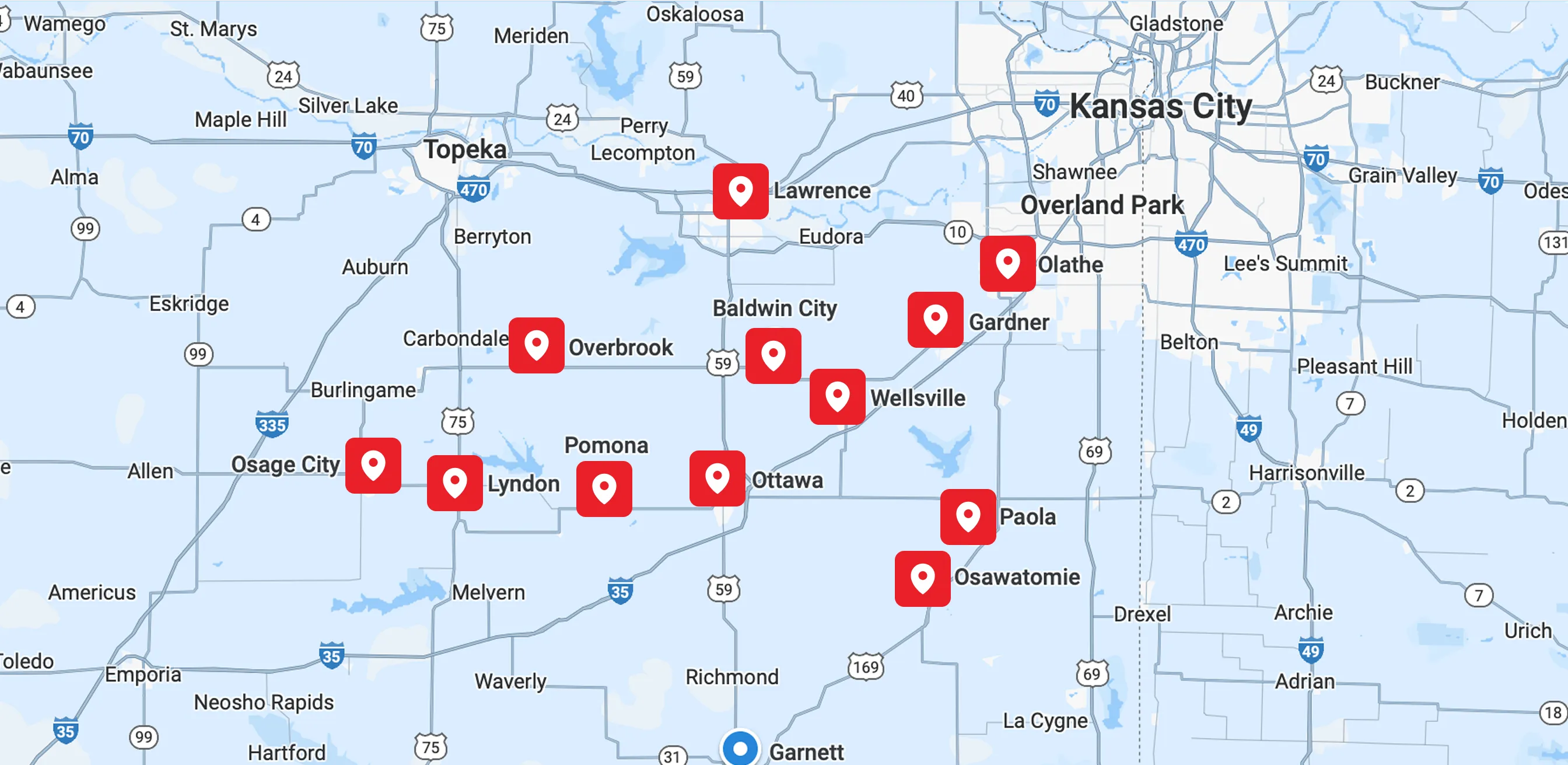
Service Areas