Mini-Split Maintenance in Ottawa, KS
Restore Performance with Professional Mini-Split Maintenance in Ottawa
It is frustrating when the ductless system you rely on for precision comfort starts underperforming or making strange noises. Whether you live in a historic home near Ottawa University or a mid-century ranch on the edge of town, these systems are common because they solve the problem of heating and cooling spaces without traditional ductwork. When they start to fail, the loss of comfort is immediate and stressful. All Seasons Air Conditioning, Heating & Plumbing is available to help.
The specialized nature of mini-splits means they face unique challenges from the local environment, particularly the high humidity and agricultural dust found throughout Franklin County. These systems are incredibly efficient, but that efficiency depends on everything being clean and calibrated. When airflow is restricted or components are stressed by temperature swings, the system has to work twice as hard to do half the job.
If you are noticing that your indoor unit is struggling to maintain the temperature or you have seen a sudden change in how the system sounds, you are right to be concerned. Ignoring these early warning signs usually leads to more expensive problems down the line. Our team has spent years servicing these specific units in the local area and knows exactly what to look for during a comprehensive tune-up. All Seasons Air Conditioning, Heating & Plumbing is available to help.
.webp)
Signs Your Ductless System Needs a Professional Tune-Up
Reduced Airflow and Poor Temperature Control
The most common complaint we hear involves a lack of air volume coming from the indoor head. You might notice that even with the fan on high, the reach of the air doesn't feel as strong as it did when the system was new. This often happens because the small blower wheels inside these units are magnets for the fine dust and pollen common in the Ottawa area.
When that blower wheel gets weighted down with debris, it cannot spin at the correct RPM, and the physical blockage prevents air from moving through the narrow fins of the evaporator coil. This forces the system to run for much longer cycles to reach your thermostat setting. If left unaddressed, this constant operation leads to mechanical fatigue that eventually requires a Mini-Split Repair & Service visit.
Musty or Sour Odors During Operation
Because mini-splits are designed to remove massive amounts of moisture from the air, the indoor unit is constantly damp. In our humid climate, this moisture can combine with household dust to create a sticky film on the coils and in the drain pan. This is a perfect breeding ground for biological growth, which creates a distinct "dirty sock" smell.
This odor is more than just a nuisance; it is a sign that the air you are breathing is passing over a contaminated surface. Standard household cleaners cannot reach the deep crevices where these smells originate. Professional maintenance involves using specialized, self-rinsing cleaners that sanitize the coil and neutralize these odors at the source.
Grinding, Clicking, or Squealing Noises
Ductless systems are famous for being nearly silent, so any new noise is a major red flag. A clicking sound often points to a failing relay or an issue with the plastic housing expanding and contracting improperly. Grinding or squealing usually indicates that the bearings in the fan motor are starting to dry out or seize.
In many cases, these noises are early warnings of a component that is about to fail completely. Catching a motor issue during a routine maintenance visit can save you from a total system shutdown during a stretch of extreme outdoor temperatures. We check the physical balance of the fan and the integrity of the motor mounts to ensure whisper-quiet operation.
Visible Water Leaking or Staining
Mini-splits produce a significant amount of condensate that must be gravity-fed or pumped out of the home. If you see water dripping from the bottom of the indoor unit or notice staining on the wall behind it, the drainage system is failing. This is often caused by a buildup of sludge in the narrow primary drain line.
In Ottawa, we see this frequently because the airborne particles from nearby fields find their way into the damp environment of the unit, forming a thick "algae" that blocks the exit. A blocked drain can lead to significant drywall damage and even electrical shorts within the unit itself. We proactively flush these lines to ensure water always has a clear path to the outdoors.
Unexpected Increases in Energy Costs
Your mini-split was likely an investment in energy efficiency, so a spike in your utility bill is a sign that something is mechanically wrong. When the outdoor condenser coil is caked with dirt, grass clippings, or cottonwood seeds, it cannot release heat effectively. This forces the compressor to draw more amperage to achieve the same cooling effect.
This inefficiency is a hidden cost that adds up every month the system goes unserviced. By cleaning the outdoor unit and verifying that the refrigerant charge is exact, we restore the system to its factory-rated efficiency. This helps keep your monthly overhead low while protecting the most expensive parts of your system from overheating.
Common Causes of Mini-Split Performance Issues
Accumulation of Agricultural and Household Dust
The landscape around Ottawa is beautiful, but it contributes a high volume of particulate matter to the air. Even with the best filters, fine dust eventually makes its way past the screens and settles on the wet surfaces of the indoor evaporator coil. This creates an insulating layer that prevents the refrigerant from absorbing heat from your room.
When the coil is insulated by dirt, the system has to run longer and colder, which can lead to the entire indoor unit icing over. Our technicians use professional brushes and chemical cleaners to strip away this buildup without damaging the fragile aluminum fins. This process is essential for maintaining the heat exchange rate that these systems rely on.
Clogged Condensate Drainage Systems
Because the drain lines on ductless systems are much smaller than those on traditional central air units, they are far more prone to blockages. A mixture of dust and moisture creates a biological sludge that can completely seal off a three-quarter-inch drain line. This is the primary cause of indoor water leaks and property damage.
During a maintenance visit, we don't just look at the drain; we use pressurized air or water to clear the entire length of the pipe. We also treat the drain pan with tablets designed to prevent the growth of the sludge in the first place. This preventative step is one of the most important parts of a professional tune-up in our humid region.
Electrical Connection and Component Wear
The constant cycling of a heat pump causes wires to expand and contract, which can eventually loosen electrical terminals. Loose connections create resistance, which generates heat and can melt wire insulation or damage expensive control boards. Furthermore, the capacitors that help start the motors lose their ability to hold a charge over time.
We test the "health" of these electrical components using specialized meters to ensure they are within the manufacturer's specified range. Identifying a weak capacitor or a loose lug during a tune-up prevents a sudden system failure. This level of detail is why a professional inspection is superior to a simple filter cleaning.
Refrigerant Level Imbalances
Mini-splits are critically charged, meaning they require a very specific amount of refrigerant to operate correctly. Even a small leak can throw the entire system out of balance, leading to poor performance and high energy use. Unlike traditional systems, you cannot simply "top off" a mini-split without identifying the root cause of the loss.
During our visit, we check the operating pressures and temperatures to ensure the system is running at peak capacity. If we detect a slight imbalance, it might indicate that a flare fitting has loosened over time due to vibration. Catching this early prevents the compressor from running "starved," which can cause permanent internal damage.
What to Expect During Your Professional Maintenance Visit
When a technician from All Seasons Air Conditioning, Heating & Plumbing arrives at your Ottawa home, the first thing we do is listen to your concerns. We want to know if you have noticed any specific "hot spots" in the room or if the unit has been making unusual sounds. This initial conversation helps us focus our inspection on the areas that matter most to your comfort.
The service involves a thorough cleaning of both the indoor and outdoor sections of the system. We disassemble the indoor casing to access the blower wheel and the deep parts of the evaporator coil that are normally hidden. We also test the remote control and the onboard sensors to ensure the system is accurately reading the room temperature and responding correctly.
Our technicians also spend time at the outdoor unit, which is often neglected by homeowners. We clear away debris, wash the condenser coils, and inspect the refrigerant lines for any signs of wear or oil spots that might indicate a leak. We finish the visit by providing you with a detailed report of our findings and any recommendations for future care. All Seasons Air Conditioning, Heating & Plumbing is available to help.
Related Services for Year-Round Comfort
While a maintenance visit is the best way to prevent trouble, sometimes we discover issues that require a different approach. If your system has a failed component that is beyond the scope of a tune-up, we may transition into a Mini-Split Repair & Service to get you back up and running. We always explain the situation clearly before performing any additional work.
In cases where an older system is constantly breaking down or uses obsolete refrigerant, it might be more practical to discuss a Mini-Split Installation & Replacement. Newer models offer significantly better humidity control and lower operating costs, which can be a better long-term investment. If you have other systems in your home, we also provide Heat Pump Maintenance & Tune-Up and AC Maintenance & Tune-Up to ensure your entire property is covered.
The Risks of Neglecting Ductless Maintenance
Choosing to skip a tune-up might seem like a way to save money, but in the Ottawa climate, it usually backfires. A system that is struggling with dirty coils or a weak capacitor will eventually experience a "hard failure." These failures almost always happen during periods of extreme temperature when the system is under maximum stress, leading to emergency repair costs.
Furthermore, an unmaintained mini-split can become a source of poor indoor air quality. The mold and mildew that grow in a neglected unit are blown directly into your living space every time the fan turns on. Regular professional cleaning is the only way to ensure the air in your home remains fresh and healthy for your family.
Ultimately, consistent maintenance extends the lifespan of your equipment. These systems are a significant investment, and taking care of them ensures you get the full fifteen to twenty years of service they are capable of providing. Delaying care only accelerates the wear on the compressor and fan motors, leading to a premature and expensive replacement.
Trust Local Experts for Your Mini-Split Care
You deserve a home that stays comfortable regardless of the weather outside. The specialized technology inside a ductless system requires a technician who understands the nuances of inverter technology and high-pressure refrigerant systems. We take pride in helping our neighbors maintain their homes and protect their investments.
All Seasons Air Conditioning, Heating & Plumbing has the tools and the local expertise to keep your mini-split running at its best. We serve the entire Ottawa area and the surrounding communities with a commitment to technical excellence and honest communication. Contact us today to schedule your comprehensive maintenance visit. All Seasons Air Conditioning, Heating & Plumbing is available to help.
Customer Testimonials
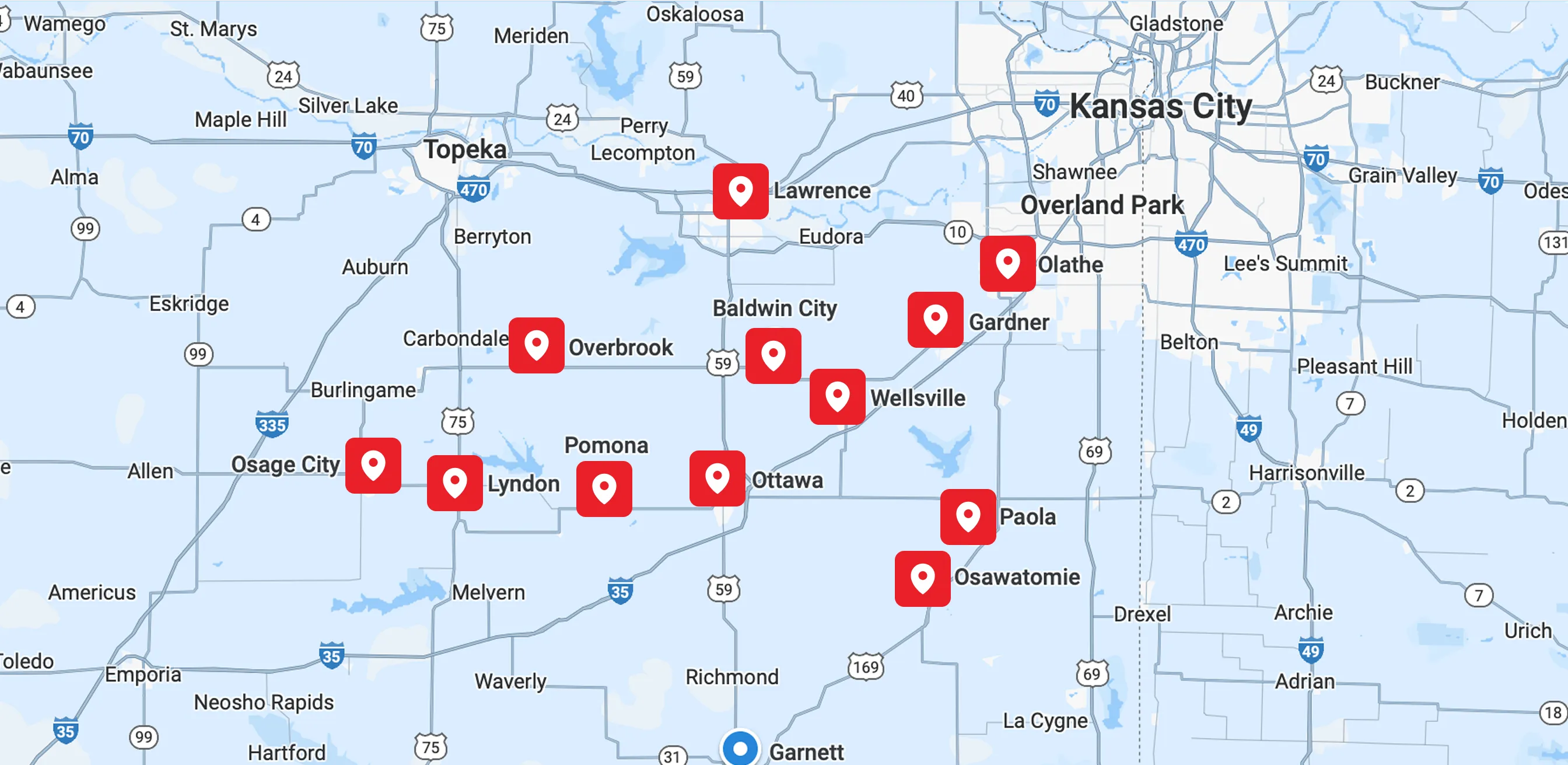
Service Areas