Mini Split in Ottawa, KS
Mini Split in Ottawa, KS
Ductless mini-split systems are an efficient, flexible way to add zoned heating and cooling to Ottawa, KS homes. With hot, humid summers and cold winters, homeowners need reliable comfort control without sacrificing space to bulky ductwork. All Seasons Air Conditioning and Heating provides expert mini-split installation, repair, and maintenance designed for Ottawa’s climate. Mini-splits offer targeted temperature control, improved energy efficiency compared to window units or baseboard heat, and quick, low-disruption installation. With professional guidance from All Seasons Air Conditioning and Heating, you can choose the right system, optimize placement, and ensure long-term performance.
.webp)
Why choose a ductless mini-split in Ottawa, KS
- Zoned heating and cooling: Control individual rooms or zones independently for comfort where you live and lower energy use in unused areas.
- Ideal for variable climate: Ottawa’s hot, humid summers and cold winters make heat pump-based mini-splits attractive for both cooling and efficient heating.
- Retrofit-friendly: Mini-splits require only a small hole for the refrigerant line and electrical connection, avoiding duct installation in older or historic Ottawa homes.
- Multi-zone capability: Modern systems can serve several indoor units from a single outdoor condenser, providing scalable solutions for whole-home or partial-upgrade projects.
Common mini-split types and typical service needs
- Single-zone systems: One outdoor unit paired with one indoor head; common for additions, bonus rooms, garages converted to living space.
- Multi-zone systems: One outdoor unit connected to two to six indoor units; used for whole-home comfort without central ducts.
- Wall-mounted, floor-mounted, ceiling cassette, and ducted indoor heads: Choice depends on room layout and aesthetic preferences.
Common service needs:
- Initial design and sizing
- Professional installation and electrical tie-in
- Seasonal maintenance and filter replacement
- Refrigerant leak detection and repair
- Compressor or fan motor servicing
- Control and thermostat troubleshooting
Multi-zone system design and sizing
Proper sizing is critical for performance and efficiency. Oversized systems short-cycle, increasing wear and reducing dehumidification in humid Ottawa summers. Undersized systems struggle to meet heating loads during cold snaps. Professional sizing follows these general steps:
- Load assessment: Evaluate each room’s heat gain and loss based on square footage, insulation levels, window orientation, occupancy, and local climate patterns.
- Zone definition: Define zones by usage and desired control - bedrooms, living areas, finished basements, additions.
- Equipment selection: Match indoor head types and capacities to each zone; ensure the outdoor unit capacity supports the combined load and manufacturer multi-zone limits.
- Piping and line routing planning: Plan efficient refrigerant line runs and condensate drainage to minimize visual impact and heat loss.
Professional installation process
A professional installation ensures safety, warranty compliance, and peak performance. Typical steps include:
- Site survey: Confirm electrical capacity, optimal outdoor unit placement for airflow and noise, and indoor head locations for even comfort distribution.
- Electrical preparation: Verify circuit capacity and install required disconnects or breakers in accordance with local codes.
- Mounting and line set installation: Secure indoor heads and outdoor condenser, run refrigerant lines, condensate drain, and control wiring through a small penetration, typically 2 to 3 inches in diameter.
- Vacuum, charging, and commissioning: Evacuate lines to remove moisture and air, charge refrigerant to manufacturer specifications, and verify pressures and temperatures.
- System testing: Check airflow, temperature split, defrost operation, remote or smart controls, and system safety features.
- Handover and user orientation: Demonstrate basic controls, filter care, and seasonal operation tips so homeowners understand system functions.
Aesthetic and placement considerations
Mini-splits are available in low-profile designs to blend with interiors. Placement priorities:
- Indoor head height: Mount wall units high on the wall for efficient circulation without interfering with furniture.
- Avoid obstructions: Keep indoor unit intake and discharge unobstructed by cabinets, shelving, or heavy curtains.
- Outdoor unit location: Position on a level surface with at least the manufacturer’s recommended clearance for airflow and service access; consider noise-sensitive spots relative to neighboring properties.
- Concealment options: Use simple cable covers, painted conduit, or install the outdoor unit on a screened pad to reduce visual impact while maintaining serviceability.
Maintenance and filter care
Routine maintenance preserves efficiency and extends equipment life. Key tasks:
- Filter cleaning: Wash or vacuum washable filters every 2 to 4 weeks during heavy use; replace disposable filters as recommended by the manufacturer.
- Coil and drain inspection: Check indoor coils and condensate drains seasonally for blockages or mold, especially during humid summers.
- Outdoor unit care: Keep the condenser clear of debris, vegetation, and ice buildup in winter; maintain around 2 feet of clearance for airflow.
- Annual professional service: Schedule a yearly inspection to test refrigerant levels, electrical connections, and system controls. Regular servicing is especially important in Ottawa where seasonal extremes place varied demands on systems.
Common repairs and troubleshooting
Understanding typical issues helps prioritize repairs and avoid unnecessary replacements. Common mini-split problems in Ottawa, KS include:
- Poor cooling or heating output: Often caused by dirty filters, blocked coils, incorrect thermostat settings, or low refrigerant charge.
- Frequent cycling or short-cycling: May result from oversized equipment, airflow restrictions, or control issues.
- Refrigerant leaks: Indicated by reduced performance and oil stains at connections; require leak detection and certified repair.
- Noisy operation: Fan motor bearings, compressor issues, or improper mounting can cause noise; verify mounting and inspect components.
- Drainage problems and indoor condensation: Often due to improper condensate routing or clogged drains; can cause indoor water damage if unaddressed.
Troubleshooting steps for homeowners:
- Verify settings: Confirm mode (heat/cool), temperature setpoint, and fan mode.
- Inspect filters: Clean or replace if dirty.
- Check outdoor unit visibility: Clear debris and verify the unit is level.
Persistent or safety-related issues should be diagnosed and repaired by a trained technician.
When a mini-split is the preferred solution
Mini-splits are especially appropriate in these Ottawa scenarios:
- Additions and finished basements: Provide immediate zoned comfort without extending existing ductwork.
- Historic or older homes: Avoid ductwork that can damage architectural features while upgrading comfort and efficiency.
- Targeted comfort control: Bedrooms, sunrooms, home offices, and garages converted to living space benefit from independent temperature control.
- Energy-conscious retrofits: Replacing inefficient space heaters, window units, or electric resistance heating with heat pump mini-splits improves comfort and can reduce energy use.
Customer Testimonials
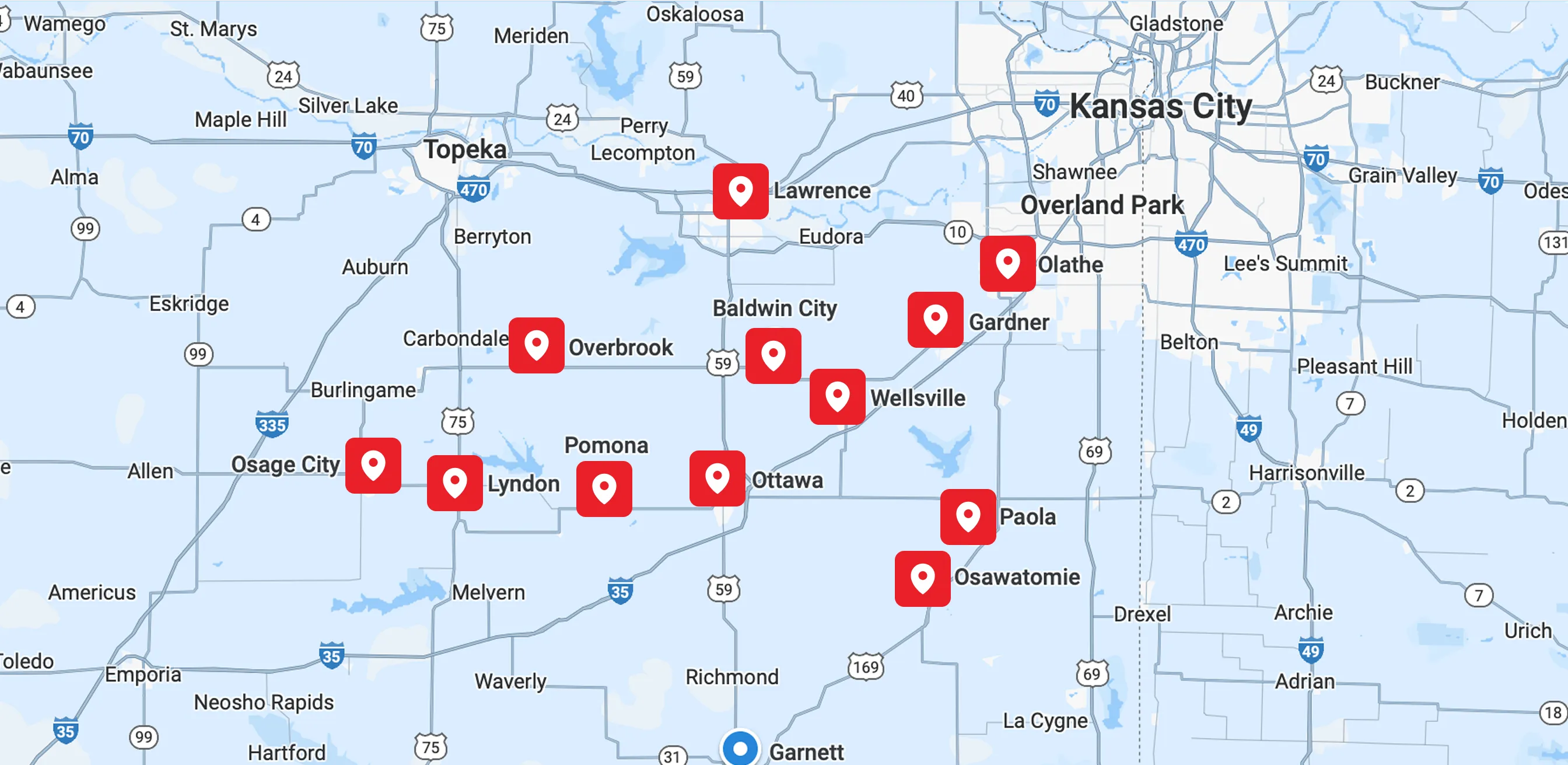
Service Areas