Heating Maintenance in Ottawa, KS
Ensure Your Ottawa Home Stays Warm with Proactive Heating Maintenance
It is a stressful situation when the temperature starts dropping in Franklin County and you realize your furnace isn't quite keeping up with the chill. Whether you live in a historic American Foursquare near downtown or one of the classic mid-century ranch houses on the edge of town, you rely on that heating system to handle the brutal Kansas cold. Dealing with a system that is struggling to stay on or making strange sounds is the last thing you want to handle when the frost hits the ground. All Seasons Air Conditioning, Heating & Plumbing provides professional heating maintenance and tune-up services to keep your system running reliably.
Rising Utility Bills and Decreasing Efficiency
One of the most common signs that your heating system is struggling is a steady increase in your monthly energy costs. When components like the blower motor or the burners are coated in dust, the system has to run for much longer cycles to reach the temperature you set on the thermostat. This extra run time translates directly to higher costs on your Evergy bill, even if the weather outside hasn't changed much.
In the many older homes found throughout Ottawa, furnaces are often already working against original windows or older insulation levels. When you add a layer of dirt to the internal components, the efficiency drops significantly, forcing you to pay more for less comfort. A professional tune-up clears out these obstructions, allowing the system to move heat more effectively through your ductwork.
If you ignore these rising costs, you are essentially paying a tax for a system that is slowly wearing itself out. Long run cycles put unnecessary stress on the heat exchanger and the blower assembly, which can lead to a premature need for Heating Installation & Replacement. Keeping the system clean is the simplest way to ensure you aren't overpaying for your winter comfort.
Uneven Heating and Cold Spots Around the House
Have you noticed that your living room feels perfectly fine, but the back bedrooms or the kitchen feel like an icebox? This is a frequent complaint in the two-story homes and spread-out ranch styles common in our area. While some people assume it is just the character of an old house, it often means your furnace is struggling to push air through the entire system.
Restricted airflow is usually the culprit, and it often starts at the furnace itself with a clogged filter or a dirty blower wheel. When the blower wheel is heavy with dust, it cannot spin at the correct RPM to build the pressure needed to reach those far-away registers. This causes the furnace to work harder while some parts of your home never actually get warm.
During a maintenance visit, we check the static pressure of your system to make sure the air is moving exactly as it should. If the airflow is severely blocked by debris within the vents, we might suggest Air Duct Cleaning to clear the path for the warm air. Restoring proper airflow ensures that every room in your house stays comfortable, regardless of how far it is from the furnace.
Unusual Noises and Mechanical Vibrations
A furnace should operate with a predictable, low hum that fades into the background of your daily life. If you start hearing high-pitched squealing, loud thumping, or a persistent rattling, those are mechanical distress signals. These sounds are often the result of components that have vibrated loose over time or bearings that have lost their lubrication.
In my experience working on the older equipment often found in Ottawa basements, a squealing sound almost always points to a belt or a motor bearing that is about to fail. Rattling often comes from a loose panel or a failing inducer motor, which is the small fan that clears exhaust gases from the system. Catching these sounds early during a tune-up is much cheaper than waiting for the part to break entirely.
Ignoring these noises often leads to a sudden system failure right in the middle of a cold snap. When a bearing seizes or a belt snaps, the system shuts down immediately to prevent further damage, leaving you in need of urgent Heating Repair & Service. A quick lubrication and tightening of these parts during a maintenance visit can add years to the life of your equipment.
The Impact of Dust and Regional Allergens
Over the course of a year, an incredible amount of dust, pet dander, and local Kansas allergens get sucked into your return air vents. This debris doesn't just stay in the filter; the smallest particles pass through and coat the internal workings of your furnace. This buildup acts like an insulating blanket on parts that are supposed to stay cool and creates a barrier on parts that are supposed to transfer heat.
When the burner assembly gets dirty, the flame cannot burn cleanly, which can lead to soot buildup and inefficient combustion. This is particularly problematic for the older, standard-efficiency natural gas furnaces that are the staple of Ottawa housing. If the burners aren't firing correctly, you aren't getting the full heat value out of the gas you are paying for every month.
All Seasons Air Conditioning, Heating & Plumbing technicians spend a significant portion of a tune-up cleaning these sensitive areas. We use specialized tools to clear the burner ports and the flame sensor to ensure your system ignites safely and stays lit. This thorough cleaning prevents the "short-cycling" issues that plague many neglected systems during the winter months.
Managing Moisture and Corrosion Near the River
For homeowners living near the Marais des Cygnes River, humidity and moisture can be a significant factor in furnace health. Many furnaces in this area are located in basements or crawlspaces where moisture levels tend to be higher than in other parts of the home. This moisture can lead to surface rust on the furnace cabinet and, more importantly, corrosion on the electrical connections.
Corroded wires and terminals create electrical resistance, which causes components to draw more power and run hotter than they were designed to. Over time, this heat can melt wire insulation or snap a connection entirely, leading to a system that simply won't turn on. During our inspection, we check all electrical terminals and tighten any connections that have loosened due to thermal expansion and contraction.
We also pay close attention to the condensate drain lines if you have a high-efficiency furnace. These lines can become clogged with biological growth or sediment, causing water to back up into the furnace itself. A quick flush of the drain system during a maintenance visit prevents water damage and keeps your basement floor dry and safe.
Checking Safety Controls and Carbon Monoxide Risks
The most important part of any heating maintenance visit isn't about comfort; it is about the safety of your family. Because most homes in our city rely on natural gas, there is always a potential risk of carbon monoxide leaks if the system isn't venting properly. A cracked heat exchanger or a blocked flue pipe can allow dangerous gases to enter your living space.
We use specialized tools to inspect the heat exchanger for any signs of hairline cracks or stress fractures. These cracks often develop in older systems that have been forced to overheat due to poor maintenance or restricted airflow. We also test the limit switches and safety sensors that are designed to shut the furnace down if it gets too hot or if the exhaust isn't clearing.
Ensuring that your furnace is venting correctly is a non-negotiable part of our service. We check the chimney or vent pipe for any obstructions, such as bird nests or debris, that might have accumulated over the summer. This gives you the peace of mind that your heating system is operating safely behind the scenes while you sleep.
What to Expect During Your Ottawa Heating Maintenance Visit
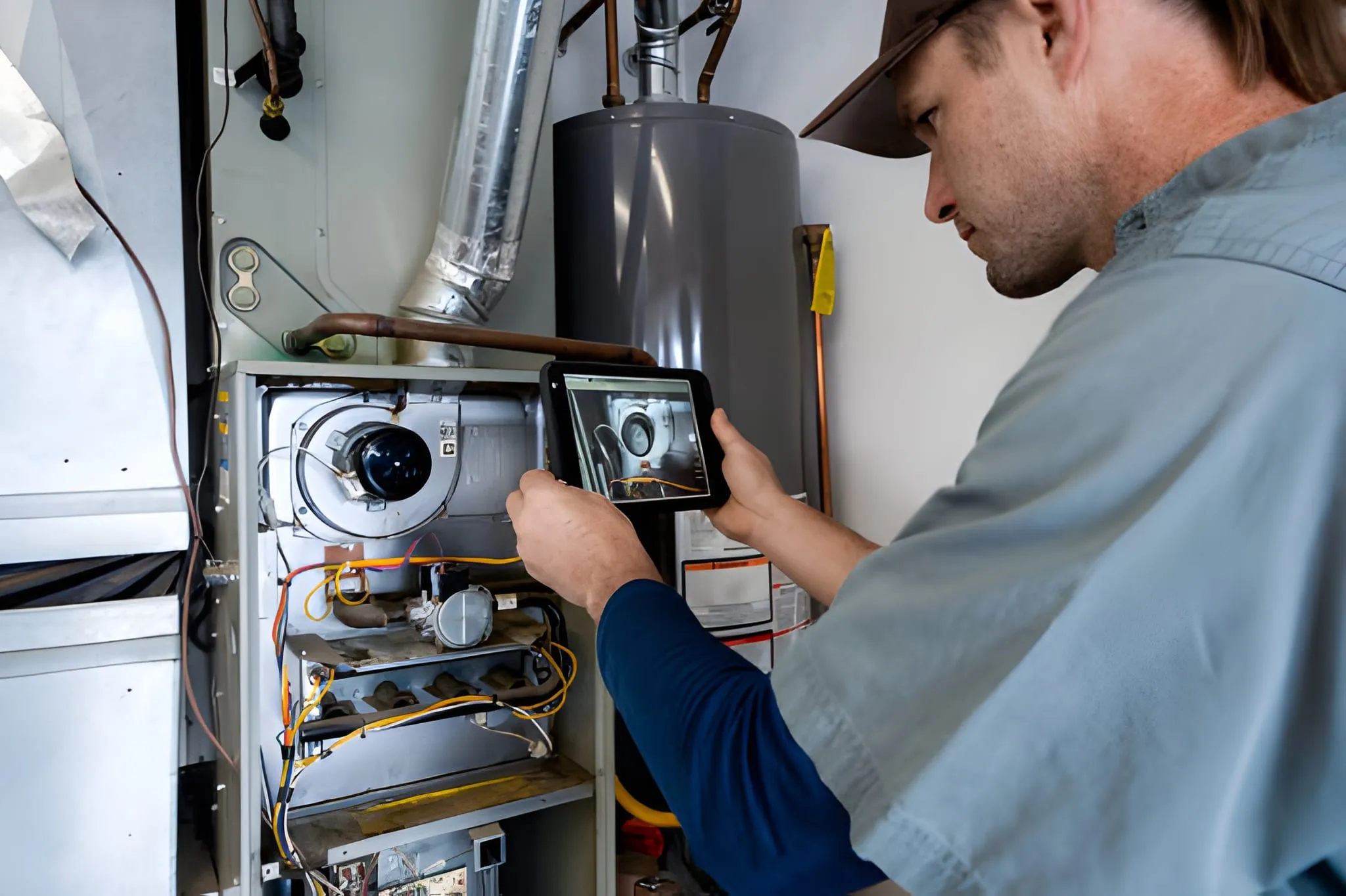
When I arrive at your home for a maintenance visit, the first thing I do is talk to you about how the system has been behaving. I want to know if you've noticed any cold spots, weird smells, or if the thermostat seems to be acting up. After that, I'll head to the furnace and perform a complete visual inspection of the entire unit and the surrounding area.
Our multi-point check includes cleaning the burners, testing the ignition system, and measuring the amperage of the motors to make sure they aren't straining. I will also check your air filter and show you how it looks, as this is the simplest thing you can do to keep the system healthy. If I find a part that is showing signs of significant wear, I will bring it to you and explain exactly what is happening before I do any additional work.
Before I wrap up, I make sure the thermostat is calibrated correctly and that the system cycles through a full heating call without any issues. My goal is to leave your home knowing that your equipment is in the best possible shape to handle a Kansas winter. We take pride in being thorough because we know how much Ottawa families rely on their home comfort systems.
Addressing Sibling Services for Total Comfort
Sometimes, a maintenance visit reveals that a simple tune-up might not be enough to solve your underlying comfort issues. If your furnace is over 20 years old and the heat exchanger is showing signs of failure, we may need to discuss Heating Installation & Replacement options to keep your home safe. We always prefer to maintain what you have, but safety and reliability have to come first.
If we find that your furnace is clean but your home is still incredibly dusty or people are suffering from allergies, we might look at your filtration system. We offer a variety of Indoor Air Quality solutions that can be integrated directly into your existing ductwork. These systems work alongside your furnace to keep the air you breathe as clean as the air that keeps you warm.
The Real Cost of Skipping Your Annual Tune-Up
The biggest risk of skipping your annual furnace service is the high probability of a total breakdown during the coldest week of the year. Our Kansas winters aren't just cold; they are sustained, which means your furnace doesn't get a break for months at a time. A small issue like a dirty flame sensor or a weak capacitor will eventually cause the system to fail when it is under the most stress.
Emergency service calls during a blizzard are not only stressful but can be more expensive than a scheduled maintenance visit. Furthermore, many manufacturers now require proof of annual professional maintenance to honor their equipment warranties. If a major part like a compressor or heat exchanger fails and you haven't had it serviced, you could be stuck paying for the entire replacement out of pocket.
Finally, a neglected furnace simply doesn't last as long. By allowing dirt to build up and moving parts to run without lubrication, you are accelerating the aging process of the machine. Regular Furnace Maintenance & Tune-Up service is the best way to protect your investment and ensure you get the full fifteen to twenty years of service out of your heating system.
Professional Heating Maintenance for Peace of Mind
Investing in a professional tune-up is about more than just avoiding a repair bill; it is about knowing your home is ready for whatever the season throws at it. Having a technician who knows the specific needs of Ottawa homes ensures that your system is handled with care and expertise. We are committed to keeping our neighbors warm and safe throughout the entire winter season.
Our team is ready to help you prepare your home for the cold months ahead with a comprehensive inspection and cleaning. Whether you have a brand-new high-efficiency unit or a reliable older model, we have the experience to keep it running at its peak. Contact All Seasons Air Conditioning, Heating & Plumbing to schedule your heating maintenance visit today.
Customer Testimonials
Service Areas