
Heat Pump Installation in Ottawa, KS
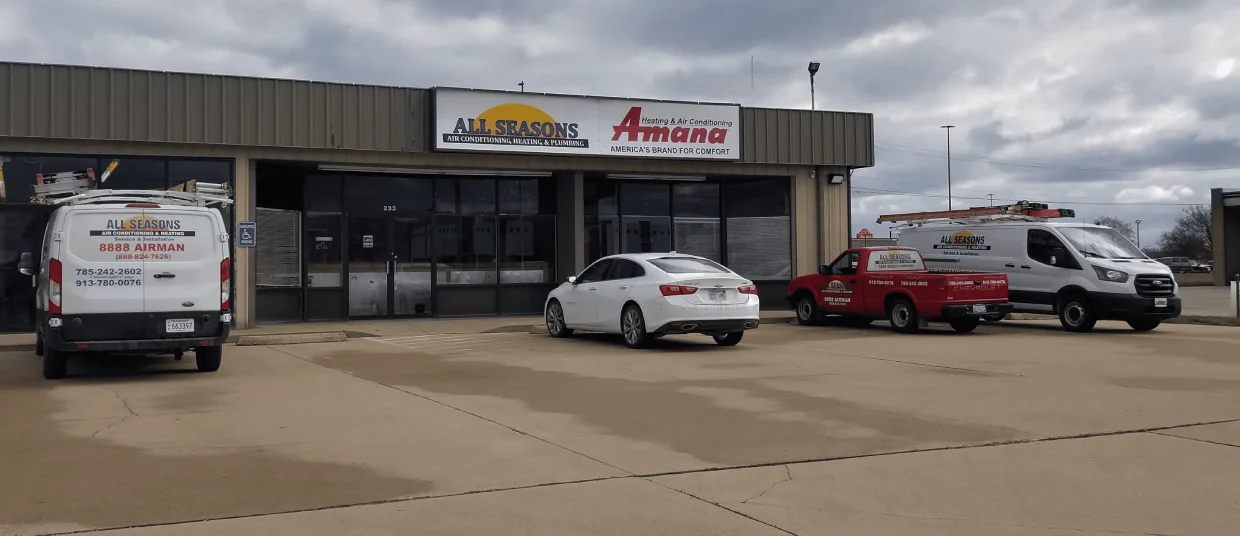
Is It Time for a New Heat Pump in Your Ottawa Home?
It’s a stressful moment when you realize your home’s comfort system isn't keeping up with the fluctuating Kansas weather. Whether you’re living in a classic Victorian near Ottawa University or a mid-century ranch, a failing heat pump can quickly make your indoor environment unbearable. All Seasons Air Conditioning, Heating & Plumbing is ready to help.
Many homeowners aren't sure if they need a major repair or a full system replacement, and that's a completely normal concern to have. A heat pump is a significant investment, and making the right call depends on the age of your unit, its current performance, and your long-term energy goals.
-min.webp)
Assessing Your Current Comfort Levels
In Ottawa, we see a wide range of systems, from aging units in historic homes near downtown to builder-grade models in newer subdivisions. The right replacement strategy is different for a 1960s ranch than it is for a 20-year-old two-story, especially when considering how your existing ductwork handles airflow.
Continuing to run a failing or inefficient heat pump leads to sky-high utility bills and the constant risk of a complete breakdown during a Kansas heatwave or cold snap. Our team provides honest, no-pressure consultations to help you decide if an upgrade is truly the most cost-effective path forward.
Signs Your Heat Pump Needs to Be Replaced
Heat pumps give clear signals when they're approaching the end of their functional lifespan, and recognizing these signs helps you plan for a replacement before you're left with a system failure. The constant cycling between hot, humid summers and cold, windy winters in our part of Kansas puts a lot of wear and tear on these systems over the years.
Ignoring these symptoms almost always leads to a more expensive emergency call and potential secondary damage to components like the compressor. Our technicians are trained to distinguish between a problem that needs a simple fix and a system that's on its last legs.
Your System is Over Twelve to Fifteen Years Old
The expected lifespan for a well-maintained heat pump is typically ten to fifteen years, and beyond this point, efficiency drops significantly. For many of the established homes in Ottawa, the current unit may have been installed over a decade ago and lacks the efficiency of modern technology.
An older system will struggle to keep up with the outdoor extremes, running longer and harder to maintain comfort, which is directly reflected in your monthly energy costs. We can help you determine the exact age and performance level of your unit to see if it still makes sense to keep it running.
Constantly Rising Energy Bills
A sudden, unexplained spike in your heating or cooling costs is a classic sign of a failing heat pump. As internal components wear out, the system requires more electricity to produce the same amount of comfort, making it a major drain on your finances.
Given the local climate, your heat pump is likely one of the biggest energy consumers in your home. When efficiency drops, you’re essentially paying more money for less comfort, which is why a new Heat Pump Installation & Replacement often pays for itself over time.
Frequent and Costly Repairs
One major repair might be a fluke, but two or three in a single year is a clear pattern that the system is failing. If you find yourself frequently calling for Heat Pump Repair & Service, you’re likely throwing money into a sinking ship.
The cost of repeated service calls and replacement parts can quickly add up to a significant portion of the cost of a new unit. Investing that money into a new, reliable system with a full warranty is often the smarter financial move for long-term peace of mind.
Unusual Noises and Persistent Odors
While no HVAC system is silent, a heat pump that is nearing the end of its life will often start making grinding, squealing, or rattling sounds. These noises usually indicate that the motor or the compressor is failing and could seize up at any moment.
Similarly, if you notice a persistent burning smell or a musty odor that doesn't go away after a filter change, the internal components may be overheating or failing. These are red flags that shouldn't be ignored, as they can lead to complete system failure or even safety hazards.
Common Causes of Heat Pump Failure in Kansas
The heavy humidity and extreme temperature swings we experience in Ottawa are particularly hard on heat pumps. These systems work year-round, unlike a standalone furnace or air conditioner, meaning they never really get a season off.
Understanding what causes these systems to fail can help you decide when it is time to stop repairing and start looking at new options. Here are the most common issues we see when we arrive at a home for a replacement consultation.
Compressor Burnout and Mechanical Failure
The compressor is the heart of your heat pump, and when it fails, the entire system stops working. In older Ottawa homes, years of operating against high static pressure from undersized ductwork can cause the compressor to overheat and eventually burn out.
Once a compressor goes, the cost of the part and the labor to install it is often so high that a full Heat Pump Installation & Replacement is the more logical choice. A new compressor in an old system is often just a temporary fix for a much larger problem.
Refrigerant Leaks and Coil Corrosion
Heat pumps rely on refrigerant to move heat in and out of your home, and any leak in the coils will cause the system to lose its ability to regulate temperature. Over time, the copper coils can corrode due to age or environmental factors, leading to microscopic holes that are difficult and expensive to patch.
When an older unit begins leaking refrigerant, it’s often a sign that the metal has reached its limit. Replacing the entire unit ensures you have a factory-sealed system that won't leave you stranded when the Kansas humidity is at its peak.
Electrical Component Degradation
The fluctuating power demands and the outdoor environment can take a toll on the electrical components of your heat pump, such as contactors, capacitors, and control boards. While individual parts can be replaced during Heat Pump Repair & Service, a system with recurring electrical issues is often unreliable.
Frequent electrical failures can be a sign of a larger problem with the system's wiring or internal motors. Upgrading to a modern unit provides you with updated safety features and more reliable electronic controls that are better equipped to handle power surges.
What to Expect During Your Heat Pump Replacement
When I show up at your door for an installation, my first priority is protecting your home and ensuring we have a solid plan. We start by laying down drop cloths and wearing shoe covers because we respect your space as much as you do.
All Seasons Air Conditioning, Heating & Plumbing takes a thorough approach to every installation, meaning we don't just swap out the outdoor unit and call it a day. We evaluate your entire HVAC system to make sure the new equipment will perform exactly as it should.
Precise Sizing and Load Calculations
We never guess what size unit your home needs based on what was there before. Our team performs a detailed load calculation, taking into account your home’s square footage, the quality of your insulation, and even the number of windows you have.
An improperly sized unit will short-cycle, which wastes energy and leads to premature wear on the components. By getting the size right from the start, we ensure your new system provides consistent comfort and stays within its expected lifespan.
Professional Installation and Configuration
The actual installation involves safely reclaiming the old refrigerant and removing the heavy outdoor unit and indoor air handler. We then prepare the mounting pad and ensure the new indoor unit is perfectly aligned with your existing ductwork for maximum airflow.
We carefully braze the new refrigerant lines, pull a deep vacuum to remove moisture from the system, and complete all high-voltage and low-voltage electrical connections. This precision is what separates a long-lasting installation from one that will give you trouble in a few years.
System Testing and Homeowner Walkthrough
Once everything is connected, we don't just flip a switch and leave. We run the system through several cycles, checking pressures, temperatures, and airflow to ensure it’s operating at peak efficiency.
Before we pack up, I’ll sit down with you to go over your new thermostat and show you how to manage your home’s comfort. We want you to feel completely confident in operating your new heat pump before we head out.
Why Upgrading Your System Makes Sense
Modern heat pumps are significantly more efficient than those manufactured even ten years ago. For homeowners in the Ottawa area, this means a noticeable reduction in the energy required to keep your home comfortable throughout the year.
Beyond just the monthly savings, a new system provides much better humidity control during our muggy Kansas summers. This improves your indoor air quality and makes your home feel much cooler at a higher temperature setting.
The Benefits of Dual-Fuel Systems
Many homeowners in our area are choosing dual-fuel systems, which pair an electric heat pump with a gas furnace. This allows the system to use the highly efficient heat pump during moderate weather and switch to gas heat when temperatures drop well below freezing.
This combination is perfect for the local climate because it offers the best of both worlds: extreme efficiency for most of the year and powerful heating for those bitter winter nights. We can help you determine if this setup is the right fit for your home and budget.
Rebates and Long-Term Savings
Upgrading to a high-efficiency system often makes you eligible for local utility rebates through providers like Evergy. These incentives can significantly lower the initial cost of your Heat Pump Installation & Replacement, making it easier to invest in a better system.
When you factor in the reduced energy bills and the lack of frequent repair costs, a new system often pays for itself much faster than most homeowners realize. It’s an investment in your home’s value and your family’s daily comfort.
Related Services for Year-Round Comfort
While a new installation solves your immediate problem, keeping that system running perfectly requires a bit of ongoing attention. We always recommend that homeowners stay proactive with their equipment to avoid the same issues they just replaced.
Regular Heat Pump Maintenance & Tune-Up is the most effective way to protect your new investment. These visits allow us to clean the coils, check refrigerant levels, and ensure that all electrical connections remain tight and safe.
If you ever notice a small change in performance, catching it early with a quick Heat Pump Repair & Service call can prevent a minor glitch from turning into a major breakdown. We also offer services like Air Duct Cleaning to ensure that your new, high-efficiency system isn't blowing air through dusty or restricted passages.
The Real Cost of Delaying Your Replacement
It is tempting to try to squeeze one more year out of an old, struggling heat pump, but this often backfires. An old unit that fails in the middle of a July heatwave can leave you in a desperate situation, often leading to rushed decisions and higher emergency costs.
Waiting also means you continue to pay inflated utility bills every single month. In Ottawa, where the weather can be unforgiving, having a reliable system isn't just a luxury—it's a necessity for your home's safety and your family's well-being.
Avoiding Emergency System Failure
When a heat pump fails during extreme weather, it can lead to more than just discomfort. High indoor temperatures can be dangerous for pets and elderly family members, while extreme cold can lead to frozen pipes in some of the older housing stock found in our area.
A planned replacement allows you to choose the best system for your needs on your own timeline. You can take the time to understand your options and ensure the installation is done right, rather than being forced into a quick fix during a crisis.
Your Local Ottawa Heat Pump Experts
When you need a professional team to handle your home’s comfort, you want someone who knows the local area and the specific challenges of Kansas weather. All Seasons Air Conditioning, Heating & Plumbing has years of experience helping homeowners throughout Ottawa and Franklin County find the perfect heating and cooling solutions.
We take pride in our craftsmanship and our commitment to clear, honest communication with every homeowner we serve. Whether you are ready for a new system or just want an expert opinion on your current unit, our team is here to provide the guidance and technical skill you deserve. All Seasons Air Conditioning, Heating & Plumbing is ready to help.
Customer Testimonials
Service Areas