Air Duct Cleaning in Ottawa, KS
Is Your Ottawa Home's Air Quality Suffering from Hidden Duct Debris?
Living in a community like Ottawa means dealing with a lot of outdoor elements that inevitably find their way into your home. Whether it is the fine dust kicked up during harvest season in Franklin County or the heavy pollen from our native grasses, your HVAC system pulls it all in. Over time, these particles settle deep inside your ventilation system, creating a thick layer of grime that circulates every time your fan kicks on.
When you start noticing that your house never feels truly clean or that the air feels heavy and stale, your ductwork is usually the prime suspect. For homeowners in our area, especially those in older ranch-style homes or the historic properties near downtown, this buildup can happen faster than you might expect. It is a frustrating problem because you cannot see what is going on inside the walls without professional tools.
If you are tired of breathing in years of accumulated dust and want to restore the efficiency of your heating and cooling system, you need a local expert who understands Kansas homes. All Seasons Air Conditioning, Heating & Plumbing has the specialized equipment and experienced technicians to thoroughly clear your system and improve your indoor environment.
.webp)
Common Warning Signs Your Air Ducts Need Professional Attention
Excessive Dusting Is Required Daily
One of the most frequent complaints I hear from homeowners in the Ottawa area is that they just cannot keep up with the dust. You might spend Saturday morning cleaning every surface, only to see a fine grey film appearing by Sunday afternoon. When your ducts are overloaded with debris, your HVAC system acts like a delivery service for dust, pushing it out of the registers and into your living spaces.
In a semi-rural setting like ours, this dust is often a mix of organic matter from nearby fields and common household dander. If your air filter is looking extremely dirty just a few weeks after you changed it, that is a clear sign the internal ductwork is already saturated. Cleaning the surfaces of your home is only a temporary fix if the source of the dust remains inside your ventilation system.
Unpleasant or Musty Odors When the System Runs
When you walk into your home, it should smell neutral and fresh, but many people notice a distinct "old house" or musty smell the moment the furnace or air conditioner starts up. This often happens because the dust inside your ducts has trapped moisture from our humid Kansas summers, creating a breeding ground for mildew. This biological growth feeds on the organic dust and releases odors that are pulled through your entire home.
If you have tried using air fresheners or candles but the smell persists, the problem is likely tucked away where those scents cannot reach. Breathing in air that has passed over mold or mildew is not just unpleasant; it can lead to various respiratory issues for your family. A professional cleaning removes the organic material that these odors cling to, leaving your home smelling much cleaner.
Visible Debris and Particle Discharge
Sometimes the signs are not subtle at all, and you might actually see small "puffs" of debris coming out of your vents when the blower motor starts. If you look closely at your supply registers and see dark streaks on the ceiling or cobwebs hanging from the slats, your ducts are likely filled to capacity. We often see this in older Ottawa homes where the ductwork has not been serviced in decades, allowing a thick mat of hair and dust to form.
This visible buildup is usually just the tip of the iceberg, as the heaviest accumulation happens in the horizontal runs and the main plenum. When these areas become restricted, your system has to work much harder to push air through, which increases your utility bills and puts stress on your equipment. Clearing these blockages is essential for maintaining proper airflow and protecting your mechanical components.
Increased Allergy Symptoms and Respiratory Irritation
If you or your family members find yourselves sneezing more often or dealing with itchy eyes while inside the house, your indoor air quality is likely the culprit. The ductwork in your home can harbor a high concentration of allergens, including pollen, pet dander, and dust mites. For people with asthma or seasonal allergies, living in a home with dirty ducts is like being stuck in a never-ending allergy season.
Because the air in your home is recirculated multiple times an hour, these irritants never have a chance to settle or be removed if the ducts are dirty. Even a high-quality air filter can only do so much if the air is being pulled through a contaminated cabinet and duct system. Removing the source of these allergens is one of the most effective ways to make your home a comfortable sanctuary again.
Understanding What Causes Dirty Ductwork in Kansas Homes
Local Agricultural and Environmental Factors
The landscape around Ottawa is beautiful, but the active farming and open spaces contribute a massive amount of particulate matter to the air. During planting and harvest, the air is filled with fine soil particles and organic debris that easily bypass standard door seals and window frames. Your HVAC system pulls this outdoor air in, and because the particles are so fine, they often settle in the low-velocity areas of your ductwork.
This agricultural dust is different from typical city dust; it is often heavier and more prone to clumping when it meets any moisture. Over several seasons, this creates a layered buildup that can become quite hard and difficult to remove without professional agitation tools. We see this specific type of accumulation more in Franklin County than in more developed suburban areas.
Construction and Renovation Residue
Many of the charming homes in our area have undergone some level of remodeling or restoration over the years. If the ductwork was not perfectly sealed during a kitchen remodel or a basement finishing project, it likely sucked up a large amount of drywall dust and sawdust. This fine construction dust is very abrasive and can settle deep within the system, where it remains for years.
Drywall dust is particularly troublesome because it is so fine that it can pass through many standard filters and coat the internal components of your furnace. If you recently moved into a renovated home and notice a lingering "chalky" smell or constant dust, a post-construction cleaning is usually necessary. Removing this debris protects your blower motor and ensures your system operates at peak efficiency.
High Humidity and Condensation Issues
Our regional climate is known for intense summer humidity, which can cause significant issues inside your cooling system. When cold air moves through ductwork located in a crawlspace or an unconditioned attic, condensation can form on the inside of the metal or flex duct. When this moisture mixes with existing dust, it creates a sticky sludge that is the perfect environment for microbial growth.
This is a common issue in the mid-century ranch homes found throughout Ottawa, where ductwork layouts might not be perfectly insulated. If this moisture issue is not addressed, the biological growth can spread, leading to structural damage to the ducts and serious health concerns. Our team can identify these moisture-prone areas during a cleaning and suggest ways to keep your system dry.
Pet Dander and Household Activity
Even the cleanest homes with pets will eventually see an accumulation of fur and dander inside the ventilation system. Because pet hair is relatively heavy, it tends to get trapped in the return air ducts and around the blower wheel of your furnace. This creates a "filter" of hair that traps even more dust, eventually restricting the air your system needs to breathe.
General household activities, from cooking to shedding skin cells, all contribute to the biomass that ends up in your ducts. In a busy household, this process happens faster, especially if the return vents are located near floor level where they can easily pull in floor-level debris. Regular cleaning ensures that these household byproducts are removed before they cause a mechanical failure.
What to Expect During Your Ottawa Duct Cleaning Visit
When a technician from our team arrives at your home, the first step is always a thorough inspection of the entire system. We look at the furnace cabinet, the evaporator coil, and several points along the duct run to see exactly what kind of debris we are dealing with. We also check for any gaps or leaks in your ductwork that might be allowing unconditioned air and dust to enter the system from your attic or crawlspace.
To protect your home, we use specialized floor coverings and ensure that our high-powered vacuum equipment is properly contained. We connect a truck-mounted vacuum system to your main trunk line, which creates a powerful negative pressure throughout the entire house. This ensures that as we dislodge the dust, it is pulled directly out of your home and into our collection tanks, rather than being blown around your living room.
Once the vacuum is running, we use various agitation tools, such as air whips and rotating brushes, to scrub the inside of every single duct. We go through the house vent by vent, ensuring that every supply and return line is completely cleared of debris. All Seasons Air Conditioning, Heating & Plumbing takes pride in being thorough, and we make sure the job is done right the first time so you can breathe easier immediately.
Enhancing Your Home's Air Quality After Cleaning
Once your ducts are clean, it is the perfect time to look at preventing the problem from returning. We often recommend that homeowners consider an upgrade to their Air Filtration system to catch the fine Kansas dust before it enters the ductwork again. A higher-efficiency media filter can trap much smaller particles than a standard 1-inch pleated filter, keeping your system cleaner for much longer.
In some cases, especially if you have been dealing with persistent odors or mold concerns, an Air Purification system might be the right addition. These systems use UV light or ionization technology to kill airborne pathogens and neutralize odors as the air passes through your HVAC unit. It is a great way to maintain the results of your duct cleaning and provide an extra layer of protection for your family's health.
Don't forget that your dryer is also a part of your home's ventilation needs. While we are there, many neighbors ask us about Dryer Vent Cleaning to remove the lint that builds up in those long exhaust runs. Keeping your dryer vent clear is a major safety precaution and helps your appliance run more efficiently, just like your heating and cooling system.
The Importance of Maintaining a Clean Ventilation System
Ignoring dirty air ducts can lead to much bigger problems than just a dusty house. When your system is restricted by debris, it has to run longer cycles to maintain the temperature you set on the thermostat. This extra run time translates directly to higher energy bills and more wear and tear on your expensive HVAC components. Over time, this neglect can lead to a premature need for a Furnace Installation & Replacement.
In our Eastern Kansas climate, we rely heavily on our systems for comfort during the humid summers and freezing winters. A system that is struggling to breathe is much more likely to fail during a period of extreme weather when you need it most. By keeping the airways clear, you are protecting your investment and ensuring that your furnace and AC can do their jobs without unnecessary strain.
Taking care of your ductwork is an essential part of responsible homeownership in Ottawa. It is about more than just cleanliness; it is about the health of your family and the efficiency of your home. A professional cleaning removes the hidden threats in your walls and gives you the peace of mind that the air you are breathing is as clean as possible.
Reliable Air Duct Services for Ottawa Residents
Whether you live in a historic home near the city center or a newer property on the edge of town, we understand the specific needs of our neighbors. Our team is familiar with the local housing stock and the unique environmental challenges we face here in Franklin County. We are here to provide honest, straightforward service that helps you maintain a comfortable and healthy home environment.
We believe in doing the job right and treating your home with the same care we would give our own. If you have been noticing dust, smells, or rising energy costs, let us take a look at your ductwork and provide the deep clean your system needs. All Seasons Air Conditioning, Heating & Plumbing is ready to help you improve your home's air quality and system performance today.
Customer Testimonials
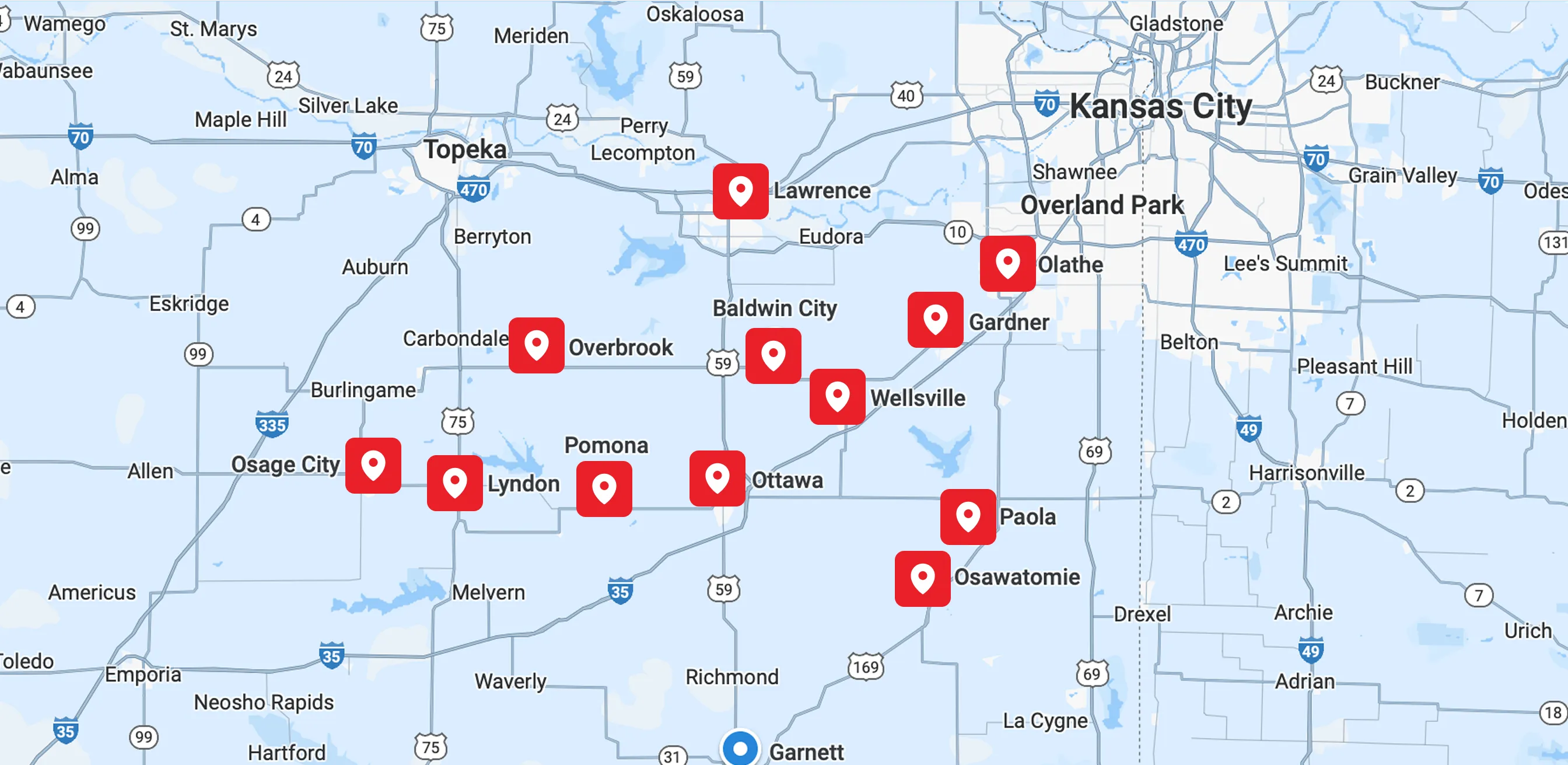
Service Areas