Mini-Split Inspection in Vassar, KS
All Seasons Air Conditioning and Heating offers professional mini-split inspections for homes in Vassar, KS, highlighting how ductless systems protect comfort, efficiency, and property value. We explain why inspections are important in Kansas' climate and older homes, and what a thorough diagnostic covers—from operational testing and refrigerant checks to airflow, electrical safety, thermostat verification, condensate drainage, and outdoor unit evaluation. Our article previews sample report sections, common findings, and practical recommendations for repairs, maintenance, and pre-sale considerations to preserve performance and value.
.webp)
Mini-Split Inspection in Vassar, KS
A thorough mini-split inspection protects comfort, efficiency, and resale value for Vassar, KS homes. Mini-split systems (ductless heat pumps) are popular here because they provide targeted heating and cooling in older or open-plan homes without ductwork. However, Kansas weather — hot, humid summers and cold winters — places unique stresses on these systems. A professional mini-split inspection identifies performance losses, safety risks, and refrigerant problems before they become costly failures.
Why a mini-split inspection matters in Vassar, KS
- Kansas summers: high humidity and pollen load increase coil fouling and reduce cooling capacity.
- Kansas winters: heat pump performance and defrost cycles must be verified to ensure reliable heating during cold snaps.
- Rural and older homes: line set insulation, condensation drainage, and mounting stability often need attention.
- Real estate transactions: buyers and sellers need documented evaluations for negotiations and disclosures.
Below is a detailed diagnostic checklist, what you’ll see on an inspection report, common follow-up repairs or upgrades, and guidance for preventative maintenance and pre-sale inspections.
Common mini-split issues in Vassar, KS homes
- Reduced cooling or heating output (dirty coils, low refrigerant, or compressor wear)
- Intermittent operation or short cycling (thermostat/control or refrigerant issues)
- Refrigerant leaks and oil staining at connection points
- Restricted condensate drains or overflow risk (clogged drip pans)
- Electrical concerns: corroded connections, failing capacitors, or improper breaker sizing
- Frozen indoor coil or excessive frosting in winter (defrost cycle or low refrigerant)
- Noisy indoor blower or outdoor compressor (bearing, fan motor, or mounting issues)
Mini-split diagnostic checklist (what the inspection covers)
- Operational testing
- Verify normal run cycles in cooling and heating modes
- Observe startup characteristics and listen for unusual noises
- Check compressor and indoor fan speeds for stability
- Refrigerant leak detection and levels
- Visual inspection for oil stains and oily residue at fittings
- Electronic leak detection around line set, service valves, and fittings
- Measure pressures and compare to manufacturer specifications
- Airflow and temperature differential
- Measure supply airflow patterns and register velocities at indoor units
- Record supply and return temperature delta across indoor unit (expected 12-18 F cooling delta under normal conditions)
- Electrical safety and performance checks
- Inspect wiring, breakers, contactors, and capacitors
- Test motor amperage and verify safe voltage ranges
- Check ground and bonding integrity
- Thermostat and control verification
- Verify remote/controller functions, wireless sensors, and Wi-Fi connectivity if applicable
- Test setpoint accuracy and response to mode changes
- Condensate and drainage inspection
- Inspect drain pan, drain lines, and condensation routing for blockage or leaks
- Verify proper slope and insulation of condensate piping
- Outdoor unit and line set inspection
- Check coil cleanliness, fins, and clearances for airflow
- Inspect line set insulation and physical protection where exposed
- Evaluate mounting pads and vibration isolation
- Heat-mode specific checks
- Verify defrost cycle operation and timing
- Measure outdoor coil temperature during defrost and normal heating cycles
What an inspection report looks like (example sections and sample entries)
Inspection reports are organized, readable, and prioritize safety and efficiency. A typical report includes:
- Executive summary
- Quick status: Serviceable, Needs Repair, Immediate Attention Required
- System identification
- Model/serial numbers, age estimate, indoor unit locations, and capacity
- Diagnostic findings (by priority)
- Example: Finding: Low refrigerant pressure on outdoor unit. Severity: Moderate. Evidence: 20% below manufacturer spec; frost pattern on suction line. Recommended action: Leak detection and repair, recover/evacuate system, vacuum and recharge to spec.
- Example: Finding: Clogged condensate drain at living room unit. Severity: Low. Evidence: standing water in pan; odor present. Recommended action: Clear drain, treat trap, verify flow, monitor for reoccurrence.
- Example: Finding: Loose electrical connection at contactor. Severity: High. Evidence: discoloration and increased resistance on connection. Recommended action: Replace contactor and tighten connections; re-test under load.
- Measurements and data log
- Temperature deltas, operating pressures, amperages, and photographs of problem areas
- Recommended repairs or upgrades with rationale
- Suggested next service interval and notes for pre-sale compliance if requested
Recommended follow-up repairs and upgrades
Based on inspection findings, common recommended measures:
- Leak location and refrigerant repair: locate and repair fittings, brazed joints, or valve core leaks before recharging.
- Evacuation and recharge to manufacturer specs to restore capacity and efficiency.
- Indoor coil and outdoor condenser cleaning: remove pollen, dust, and debris to improve heat transfer.
- Replace failing electrical components: capacitors, contactors, fan motors, or control boards to prevent breakdowns.
- Replace or upgrade line set insulation and secure exposed refrigerant lines to prevent energy loss and freeze issues.
- Drainline cleaning or installation of overflow safety switch to prevent water damage.
- Upgrade thermostats or controls (smart interfaces) for better scheduling, zoning, and energy monitoring.
- Install protective covers or cages for outdoor units in exposed rural locations.
- Consider inverter drive or higher-efficiency unit replacement for aging systems with significant capacity loss.
Preventative maintenance and pre-sale inspections
- Recommended frequency: at minimum once per year for systems used primarily for cooling or heating; twice per year if a mini-split handles primary heating in cold months.
- Preventative inspection focus: coil cleaning, filter replacement, electrical torque checks, refrigerant verification, and condensate routing. Regular maintenance reduces emergency calls and preserves SEER-equivalent performance.
- Pre-sale evaluation: a focused report for buyers/sellers that documents capacity, estimated remaining life, safety issues, and recommended repairs. This report highlights items that may affect negotiations (refrigerant leaks, failed components, incomplete installations, or unusual modifications).
Final notes on value and local relevance
A full mini-split inspection in Vassar, KS protects household comfort year-round and preserves equipment life in the face of seasonal humidity, pollen, and cold weather demands. Inspections give clear, prioritized findings and documented evidence you can use for routine maintenance planning or property transactions. For Vassar homes where efficient, reliable zoned heating and cooling matters, an inspection is the practical step to prevent surprises and maintain performance.
Customer Testimonials
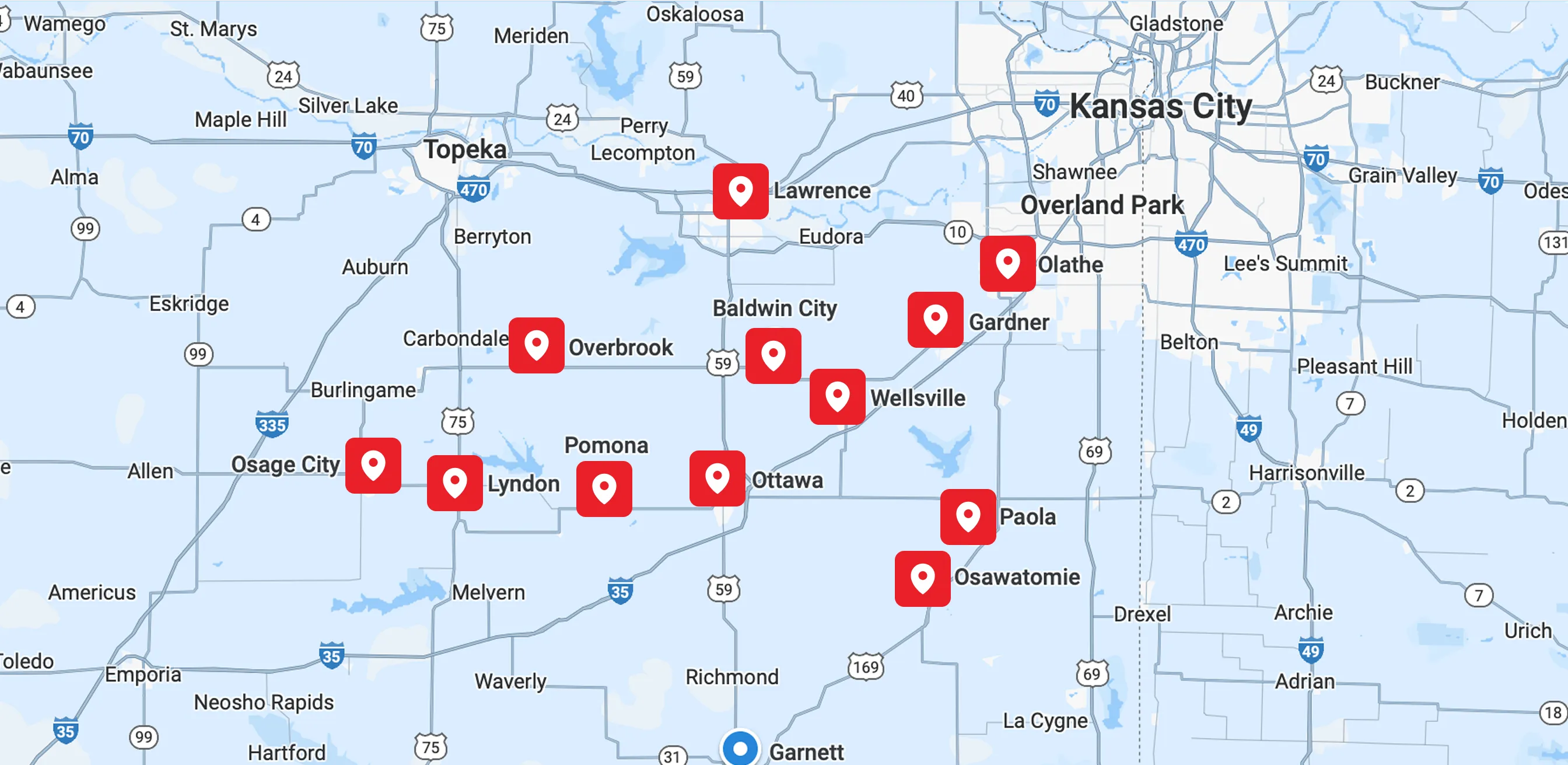
Service Areas