Ventilation in Williamsburg, KS
Ventilation services for Williamsburg, KS homes from All Seasons Air Conditioning and Heating deliver balanced airflow, improved indoor air quality, and impressive energy efficiency through tailored assessment, professional installation, and ongoing maintenance. Our typical plan focuses on advanced mechanical ventilation systems, effective exhaust upgrades, and crucial duct improvements to address humidity, odors, and uneven airflow while significantly reducing mold risk and backdrafting. The process includes a detailed on-site evaluation, precise system sizing, and thorough testing to verify performance, followed by careful installation, calibration, and maintenance recommendations that keep homes comfortable, healthier, and energy-smart year-round.
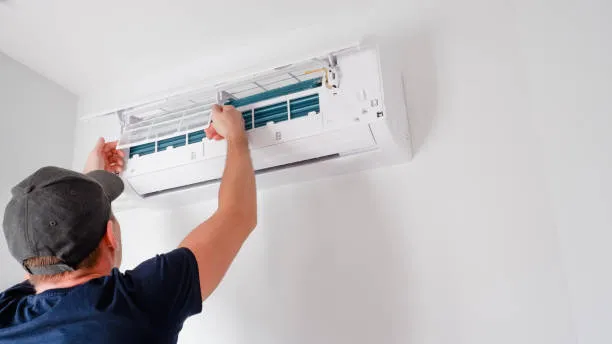
Ventilation in Williamsburg, KS
Effective ventilation is one of the most important upgrades a Williamsburg, KS home can make for comfort, health, and energy efficiency. With hot, humid summers and cold, tight winters, homes in this area face moisture buildup, pollen and dust infiltration, and combustion safety concerns in older houses. Proper mechanical ventilation, exhaust upgrades, and duct improvements reduce mold risk, clear stale air and odors, and help heating and cooling systems run more efficiently — delivering measurable benefits for families and properties in Williamsburg.
Common ventilation issues in Williamsburg, KS
- High indoor humidity and mold growth — Summer humidity and activities like cooking, showering, and drying clothes indoors cause condensation and mold, especially in poorly ventilated bathrooms, kitchens, and basements.
- Stale air and odors — In tightly sealed homes, pollutants and odors accumulate, making living spaces feel stuffy and reducing perceived comfort.
- Uneven airflow and hot/cold rooms — Leaky or poorly balanced ducts lead to comfort complaints and force HVAC equipment to run longer.
- Backdrafting and combustion safety risks — Older homes with unvented combustion appliances can experience negative pressure that pulls combustion gases into living spaces.
- Inefficient dryer and kitchen exhausts — Short, poorly routed or unvented dryer and range hoods reduce effectiveness and introduce lint and moisture into the home.
Ventilation services for Williamsburg homes
- Mechanical ventilation systems
- Heat Recovery Ventilators (HRVs) and Energy Recovery Ventilators (ERVs) for balanced, energy-conscious fresh air exchange.
- Continuous supply or exhaust ventilation systems sized to meet ASHRAE and local code requirements.
- Exhaust upgrades
- Bathroom and kitchen fan replacements or routed upgrades to remove moisture and odors directly outdoors.
- Dryer vent inspections, rerouting, and exterior termination improvements to reduce lint buildup and moisture problems.
- Duct improvements
- Duct sealing, insulation, and rerouting to stop leaks and improve airflow.
- Duct balancing and register adjustments for even distribution and improved efficiency.
- Airflow testing and diagnostics
- Whole-house airflow measurements, duct leakage testing, and pressure diagnostics to pinpoint issues and confirm performance.
Assessment and system selection
A reliable ventilation plan starts with an on-site assessment tailored to Williamsburg homes. Typical evaluation steps include:
- Visual inspection of attics, crawlspaces, exhaust terminations, and existing ductwork.
- Measurement of existing ventilation rates, room-by-room airflow, and duct leakage where indicated.
- Review of occupant behavior, number of bedrooms, and common pollutant sources (cooking habits, wood stoves, pets).
- Consideration of local climate: in Williamsburg the summer humidity and pollen season often make ERVs a strong choice because they introduce filtered outside air while managing moisture. In very tight, cold-weather homes an HRV can preserve heat while bringing in needed fresh air.
- Matching system size and strategy to the home: a balanced HRV/ERV, or targeted exhaust/supply in problem areas, depending on needs and building characteristics.
Recommendations from the assessment explain expected energy impacts, indoor air quality benefits, and installation implications so homeowners can make informed decisions.
Professional installation and airflow testing
Proper installation is critical to performance. Key installation practices include:
- Correct placement and ducting of HRV/ERV units with insulated duct runs to prevent condensation.
- Sealed, code-compliant terminations for bathroom, kitchen, and dryer vents to prevent re-entry of exhaust and to meet local rules.
- Use of proven duct-sealing methods, such as mastic or UL-rated sealants, and insulating ducts in unconditioned spaces.
- System balancing and airflow verification using flow hoods and anemometers to confirm that each room receives the intended exchange rate.
- Safety checks for combustion appliances and carbon monoxide testing to ensure ventilation changes do not create hazardous conditions.
Post-install testing confirms the system meets the designed ventilation rates and energy recovery performance, and documents airflow results for homeowner records.
Indoor air quality benefits and energy tradeoffs
Well-designed ventilation in Williamsburg reduces airborne allergens, lowers humidity in summer, minimizes condensation and mold in cold months, and removes volatile organic compounds and cooking byproducts. When paired with an ERV or HRV, homeowners typically get fresh air without the full thermal penalty of bringing in unconditioned outdoor air, which helps limit added heating and cooling load.
Other tangible benefits include:
- Improved comfort and fewer complaints about stale air or odors.
- Reduced HVAC runtime from more balanced ductwork and fewer pressure imbalances.
- Fewer moisture-related repairs and maintenance needs over time.
- Enhanced combustion safety and fewer backdrafting incidents.
Preventative maintenance offerings
Ventilation systems perform best with routine maintenance. Common maintenance tasks include:
- Filter replacement or cleaning schedules for ERV/HRV cores and intake filters.
- Periodic cleaning of fan housings and drainage paths to prevent blockages.
- Inspection and re-sealing of duct joints every few years, especially after other remodeling work.
- Verification of exhaust terminations and clearances from obstructions or nesting.
- Seasonal checks of controls and timers that regulate continuous ventilation settings.
Regular maintenance preserves performance, extends equipment life, and keeps indoor air quality consistently high.
What to expect during an estimate or service visit
A typical ventilation estimate or service visit for a Williamsburg home includes:
- A walkthrough to identify problem areas and current ventilation sources.
- Measurements and basic diagnostics to quantify airflow, humidity levels, and duct condition.
- A written recommendation of options (e.g., ERV versus exhaust upgrade, duct sealing scope), expected timeline for installation, and an outline of what the homeowner will see during work.
- Details on warranties, equipment performance expectations, and recommended maintenance intervals.
Estimates are informed by the home’s age, layout, and local climate considerations so the chosen solution addresses both comfort and long-term value.
Customer Testimonials
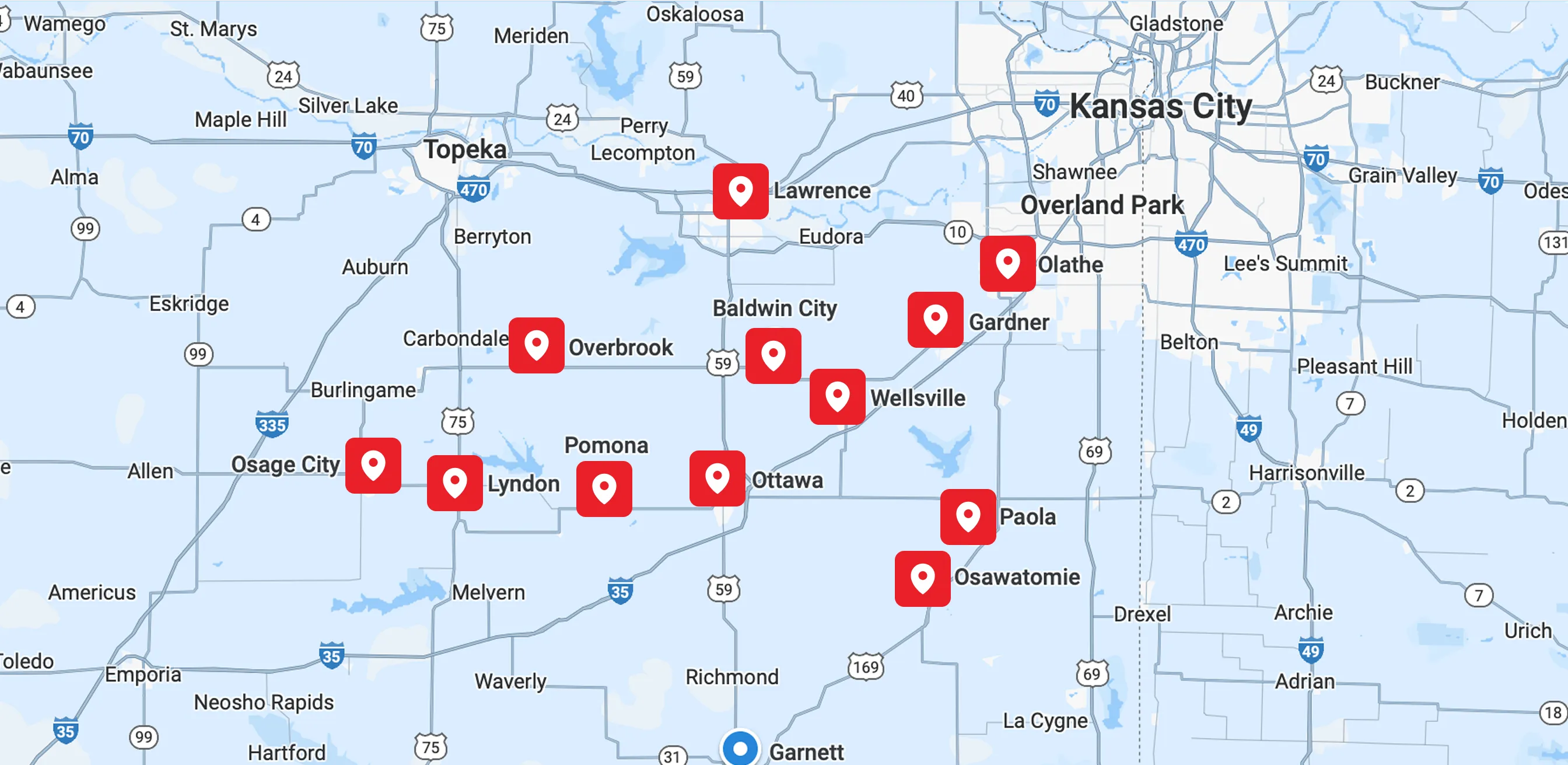
Service Areas