Air Purification in Williamsburg, KS
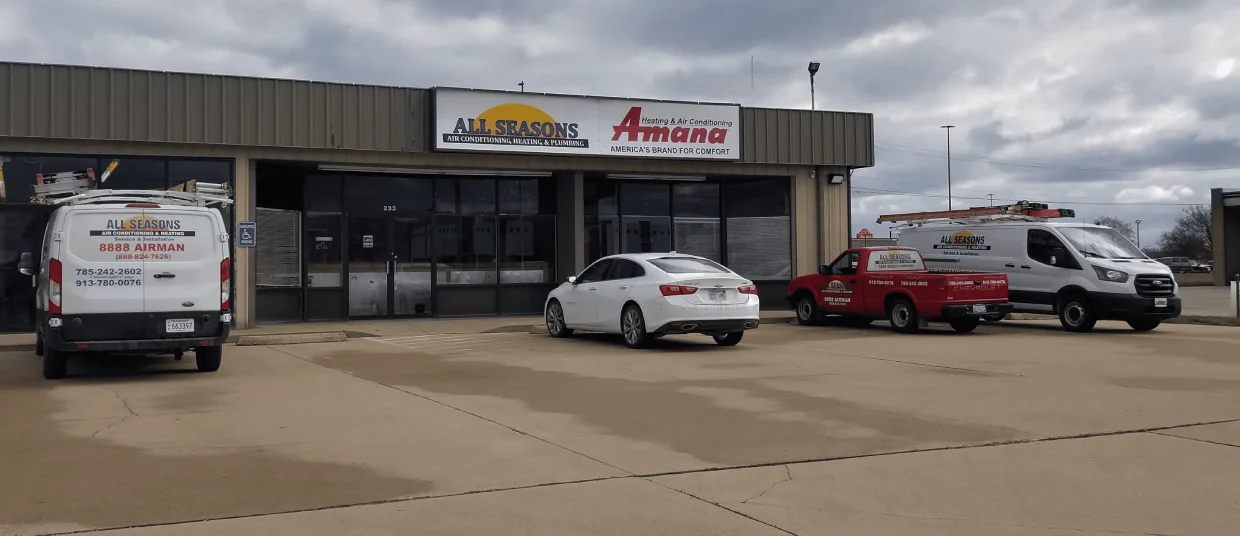
At All Seasons Air Conditioning and Heating, we understand that air purification options for Williamsburg, KS homes balance comfort, health, and HVAC efficiency across residential and commercial settings. Our guide outlines common technologies—HEPA, UV, activated carbon, PCO, and hybrid systems—alongside in-duct, portable, and HVAC-mounted installations. We explain realistic health improvements, maintenance schedules, and warranty considerations, plus financing and maintenance memberships. Our practical guidance helps match the purifier type to your space, pollutants, and occupancy, emphasizing proper sizing, professional installation, and a layered strategy that enhances air quality while protecting your equipment. We offer tailored options that fit both homes and businesses perfectly.
.jpeg)
Air Purification in Williamsburg, KS
Clean indoor air is a decision-grade concern for homeowners and business owners in Williamsburg, KS. With humid summers, seasonal pollen, agricultural dust, and occasional smoke from nearby burning or regional wildfires, indoor air quality affects comfort, allergies, and long-term health. This page explains residential and commercial air purification options, how systems integrate with existing HVAC, realistic health and allergen reduction expectations, installation and maintenance needs, replacement schedules, common brands and warranty types, financing alternatives, membership discounts through maintenance plans, and clear guidance for choosing the right purifier for your specific indoor air concerns.
Why air purification matters in Williamsburg, KS
Williamsburg-area homes and businesses face several local air quality challenges:
- Spring and fall pollen from trees, grasses, and weeds increases seasonal allergy symptoms.
- Summer humidity promotes mold and dust mite growth in poorly ventilated spaces.
- Agricultural activity and road dust create fine particulates that infiltrate indoor spaces.
- Wood-burning stoves and regional smoke events contribute to elevated PM2.5 levels.
Addressing these issues at the decision stage means selecting the right technology and system size to reduce symptoms, limit pollutant exposure, and protect HVAC equipment.
Common air purification types and what they do
Understanding the main technologies helps match the solution to your problem.
- HEPA filtration
- Captures 99.97 percent of particles down to 0.3 microns.
- Best for pollen, dust, pet dander, and most smoke particulates.
- Available in portable units and whole-house in-duct systems.
- UV germicidal lights
- Uses ultraviolet-C light to inactivate bacteria, viruses, and mold on coils and in airflow paths.
- Most effective when installed at the HVAC coil or in a dedicated in-duct chamber.
- Activated carbon filters
- Adsorb odors, volatile organic compounds (VOCs), and gaseous pollutants from cleaning products, paints, and cooking.
- Often combined with particle filters for broad coverage.
- Photocatalytic oxidation (PCO)
- Breaks down VOCs and some microbes using UV light and a catalyst.
- Useful for odor and chemical reduction but best paired with particle filtration for health-grade results.
- Hybrid and electronic options
- Systems that combine HEPA + carbon + UV provide multi-threat protection.
- Electronic precipitators and ionizers can reduce particles but require careful selection to avoid ozone generation.
Integration with existing HVAC systems
There are three practical installation paths in Williamsburg homes and businesses:
- Whole-house in-duct purifiers
- Installed at the air handler or return plenum to treat all conditioned air.
- Requires proper sizing to the system’s airflow and blower capacity to maintain efficiency.
- Point-of-use portable units
- Portable HEPA or carbon units sized to room square footage using CADR ratings.
- Useful for bedrooms, offices, or temporary smoke/odor events.
- HVAC-mounted UV and media filters
- UV lamps mounted at the coil help reduce microbial growth and improve coil efficiency.
- Media filters with MERV ratings (8 to 16 or HEPA-compatible setups) protect equipment and capture fine particles.
Proper integration considers static pressure impacts, blower capacity, and whether the furnace/air handler has variable speed controls. A professional assessment ensures the purifier will not reduce airflow or void HVAC warranties.
Expected health and allergen reduction benefits
- Significant reduction in pollen, dust, and pet dander with HEPA or high-MERV media filters.
- Lower mold spore counts and reduced microbial growth on coils with UV treatment, improving allergy and asthma control.
- Noticeable odor and VOC reduction with activated carbon or PCO stages.
- Improved perceived indoor air comfort and potentially fewer allergy or asthma flare-ups for susceptible individuals.
Set realistic expectations: no single solution eliminates 100 percent of contaminants. Effective systems reduce concentration and exposure, improving symptoms and indoor air safety when paired with proper ventilation and maintenance.
Installation and maintenance requirements
- Pre-install assessment: sizing, static pressure check, duct condition, and pollutant source identification.
- Installation typically takes a few hours for in-duct units and less for portable devices; UV installations require electrical access.
- Routine maintenance is essential to sustain performance: cleaning UV sleeves, replacing filters, and inspecting lamps.
Typical replacement and maintenance schedules:
- HEPA filters: replace every 6 to 12 months depending on use and local pollution levels.
- Pre-filters or washable filters: clean or replace every 1 to 3 months.
- Activated carbon cartridges: replace every 3 to 6 months for high-odor environments, up to 12 months in low-use settings.
- UV lamps: replace annually for consistent germicidal output.
- PCO catalysts: inspect every 1 to 3 years; replace as recommended by the manufacturer.
Documented maintenance preserves warranty coverage and ensures continued pollutant reduction.
Brands, warranties, financing, and maintenance membership benefits
Reputable residential and light-commercial brands commonly available include Aprilaire, Honeywell, Lennox, Trane, Carrier, Amana, Blueair, and IQAir. Manufacturer warranties vary:
- Electronic components and UV lamps often carry 1 to 5 year limited warranties.
- Structural housings and larger in-duct units can have 5 to 10 year warranties depending on the brand.
- Filters and consumables are consumable items and typically not covered.
Financing options are routinely available for higher-cost whole-house systems to spread investment over months or years. Maintenance membership plans often include:
- Priority scheduling for inspections and repairs.
- Discounted parts and labor for purifier maintenance.
- Filter replacement credits or bundled filter shipments.
- Membership discounts that reduce the total annual cost of filter and lamp replacements.
Memberships provide predictable maintenance, which supports sustained air quality benefits and warranty compliance.
Choosing the right purifier for your space
Match technology to the primary indoor air concern:
- Allergies and particles: HEPA or high-MERV in-duct systems plus good pre-filtration.
- Mold and indoor microbial control: UV at the coil plus regular HVAC maintenance and humidity control.
- Odors, VOCs, chemical smells: activated carbon or combined carbon + PCO stages.
- Smoke and wildfire events: high-efficiency particle filtration (HEPA) and tight building ventilation control; consider portable units for immediate relief.
Sizing matters: select systems based on square footage, HVAC CFM, or CADR ratings for portable units. For commercial spaces, factor in occupancy, activities that generate pollutants, and building hours.
Final considerations and maintenance advice
For Williamsburg homes and businesses, a layered approach is most effective: source control, appropriate ventilation, and targeted purification. Seasonal strategies work well — for example, upgrading filters and activating carbon stages during wildfire season or spring pollen months. Keep records of filter changes, UV lamp replacements, and annual system checks to maintain performance and warranty protection.
Choosing the right air purification solution starts with a home or building assessment that considers local pollen patterns, humidity-driven mold risk, agricultural dust exposure, and day-to-day occupant needs. With the correct technology, proper installation, and a disciplined maintenance plan, you can achieve measurable improvements in indoor air quality and occupant comfort in Williamsburg, KS.
Customer Testimonials
Service Areas