Dryer Vent Cleaning in Williamsburg, KS
Dryer vent cleaning in Williamsburg, KS, offered by All Seasons Air Conditioning and Heating, provides a comprehensive, safety-driven service that begins with a full inspection and ends with verified cleanliness and performance improvements. Our providers meticulously assess vent runs, material, and airflow, then apply mechanical brushing, high-pressure air, and powerful vacuuming, followed by camera verification for peace of mind. Our service includes expert repairs or replacements of damaged ducts, clear guidance on maintenance, and transparent estimates. Regular cleaning from All Seasons Air Conditioning and Heating reduces fire risk, enhances dryer efficiency, lowers energy use, and extends appliance life for local homes.
.webp)
Dryer Vent Cleaning in Williamsburg, KS
A clean dryer vent protects your home, reduces energy use, and keeps laundry running faster. In Williamsburg, KS, where humid summers, cold winters, and seasonal yard debris increase the chance of clogged vents, professional dryer vent cleaning is an essential maintenance service for every homeowner. This page explains what to expect from a full inspection and cleaning, common local problems, repair and replacement options, safety and certification standards, recommended maintenance intervals, signs you need service, and how routine and emergency work is scheduled.
Why professional dryer vent cleaning matters in Williamsburg, KS
- Reduced fire risk. Lint buildup is highly combustible. Professional cleaning removes accumulated lint and debris from the entire vent path, not just the dryer housing, which drastically lowers the chance of a dryer-related fire.
- Improved dryer performance. A clear vent shortens drying times, extends the dryer’s lifespan, and helps prevent overheating and premature component failure.
- Lower energy use. Less time in the dryer means less electricity or gas consumed—important during Williamsburg’s hot summers and heating months.
- Better indoor air quality. Removing lint and trapped dust keeps contaminants from recirculating into your home, especially in older Williamsburg houses with long duct runs or crawlspace venting.
Common dryer vent issues in Williamsburg, KS
- Long exterior vent runs through crawlspaces or attics that accumulate lint and dust
- Rigid or damaged vents crushed or kinked behind the dryer
- Use of plastic or foil ducting that traps lint and is a high fire-risk material
- Bird or rodent nests and leaf buildup at exterior terminations, especially near wooded lots
- Blockages caused by seasonal yard debris, pollen, and agricultural dust common in rural and semi-rural properties
- Loose or leaking connections that reduce airflow and increase lint escape into walls or crawlspaces
What a professional inspection includes
A thorough inspection identifies blockages, material issues, and safety hazards before cleaning begins:
- Visual and camera inspection of the entire vent run (from dryer housing to exterior termination) to locate lint build-up, tears, or nests
- Check of dryer cabinet, lint trap, and exhaust connection for trapped lint and obstruction
- Assessment of vent material and routing (length, bends, roof vs wall termination)
- Measurement of airflow and temperature at the dryer to quantify performance loss
- Safety check for gas dryer exhaust and proper vent termination to ensure safe venting to the outdoors
Cleaning methods used
Professionals use multiple methods to reach and remove lint safely and effectively:
- Mechanical brushing: Rotary or high-torque brushes dislodge compacted lint from long duct runs and bends.
- High-pressure air: Compressed air dislodges debris from hard-to-reach sections while a controlled technique pushes lint toward the exterior.
- Heavy-duty vacuuming: Industrial vacuums collect loosened lint and prevent it from falling back into the duct or home.
- Camera verification: Post-cleaning camera inspection to confirm the vent is clear.These methods are combined as needed depending on vent length, material, and obstruction type.
Repair and replacement options
If inspection finds damage or unsafe materials, technicians typically recommend:
- Replacing plastic or thin foil ducts with smooth-walled metal or semi-rigid steel for safer, more efficient airflow
- Replacing or repairing crushed, kinked, or disconnected sections
- Installing or repairing weatherproof, animal-proof exterior terminations and backdraft dampers
- Rerouting excessively long or improperly run ducts to reduce bends and length, improving dryer efficiency
- Sealing and fastening joints with metal tape or approved clamps to prevent lint escape
Recommended cleaning frequency and signs you need service
General guidance:
- Most households: annually, in line with industry recommendations
- Long vent runs, multiple bends, or heavy dryer use: every 6–9 months
- Rental properties, multi-family units, or homes with frequent resident turnover: more frequent scheduled cleaning
Signs you need service now:
- Clothes take longer than usual to dry
- Dryer exterior or lint trap is hot to the touch or smells of burning
- Visible lint buildup around the dryer or exterior vent
- Dryer vents produce reduced airflow or the exterior vent flap stays closed after a cycle
- Frequent dryer cycling or unexpected dryer shutdowns
- Increased utility bills without other explanation
Pricing and estimates
Final cost varies by job complexity: key factors include vent length and accessibility, number of bends, presence of animal nests or heavy blockages, and whether repairs or replacement are required. A professional inspection and camera assessment produce a detailed estimate that breaks down cleaning, any necessary repairs or replacement, and parts. Estimates are provided after inspection so homeowners can decide on the scope of work with full information.
Safety standards and technician qualifications
Qualified dryer vent technicians follow industry best practices and local building codes to ensure safe ventilation:
- Technicians should be trained in dryer vent safety and combustion appliance venting
- Work adheres to manufacturer specifications for dryer venting and recognized industry guidance to reduce fire hazards and carbon monoxide risk for gas dryers
- Use of approved materials (metal ducts, proper clamps, listed terminations) and best practices for sealing and routing
- Technicians commonly hold certifications related to HVAC safety and handling (for example, EPA or other recognized credentials); ongoing training on dryer vent cleaning techniques and safety protocols is standard
What to expect during a scheduled or emergency service visit
- Arrival within the scheduled window with tools and camera inspection equipment
- Dryers disconnected and near-dryer components inspected; lint removed from housing and lint trap
- Door-to-exterior cleaning using brushing, high-pressure air, and vacuuming as required
- Verification of airflow improvement and a final camera check
- Written summary of findings, recommended repairs or replacement options, and an estimate if additional work is needed
- For emergency calls (e.g., suspected lint fire, burning smells, sudden loss of airflow), priority assessment and mitigation steps to secure the home and restore safe dryer operation
Long-term benefits and maintenance tips
- Schedule regular cleanings based on use and vent configuration to maintain safety and efficiency
- Check the lint trap before every load and clear debris around the exterior vent regularly
- Inspect the exterior termination seasonally for bird nests, leaves, and ice build-up in winter
- Replace flexible plastic or foil ducts with metal ducts during routine maintenance to reduce long-term risk
Professional dryer vent cleaning in Williamsburg, KS protects your home from preventable hazards and restores dryer efficiency. A complete inspection, combined cleaning methods, and safe repair or replacement options provide the peace of mind needed to keep laundry day safe, quick, and energy efficient.
Customer Testimonials
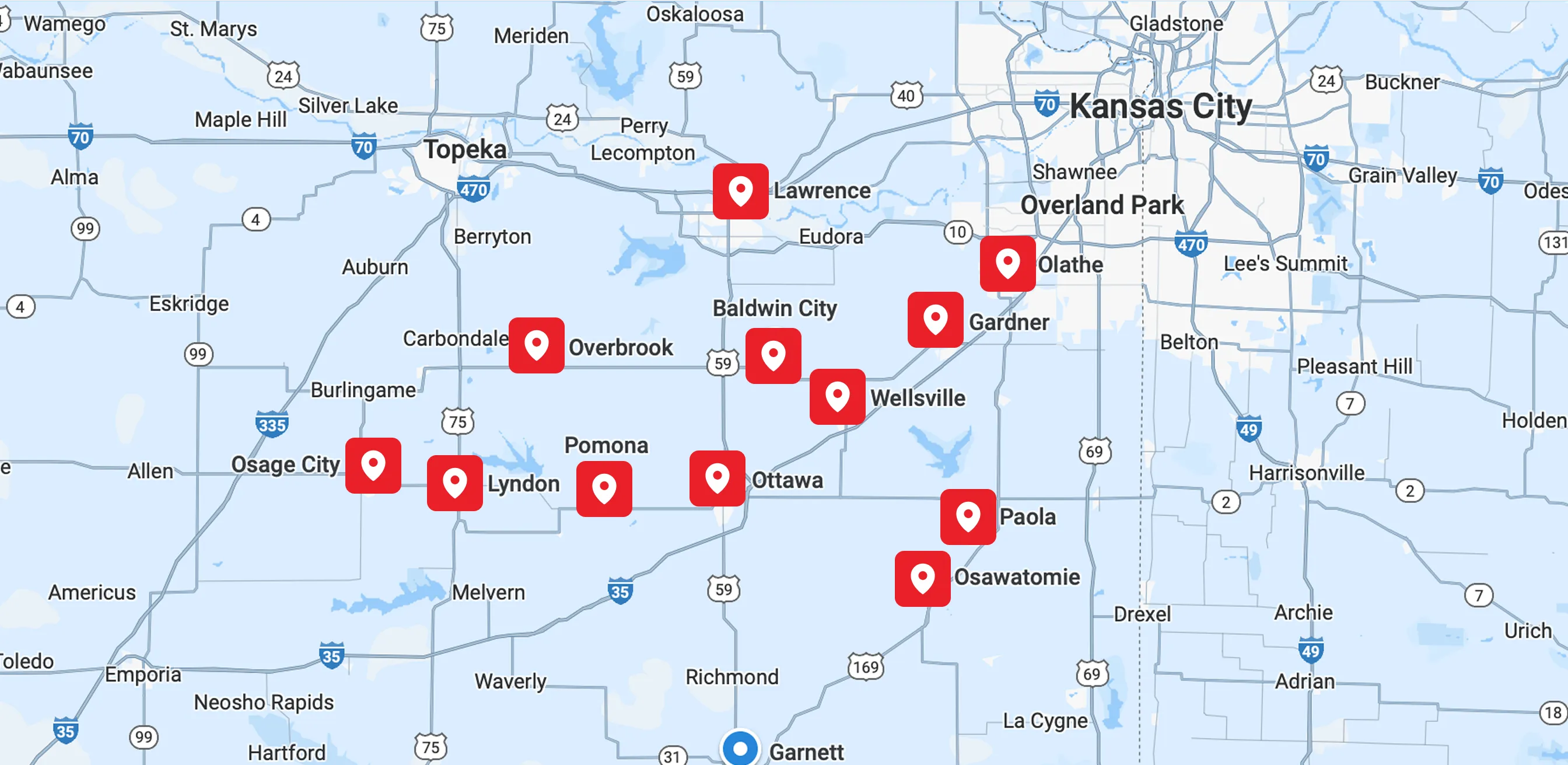
Service Areas