Mini-Split Repair in Richmond, KS
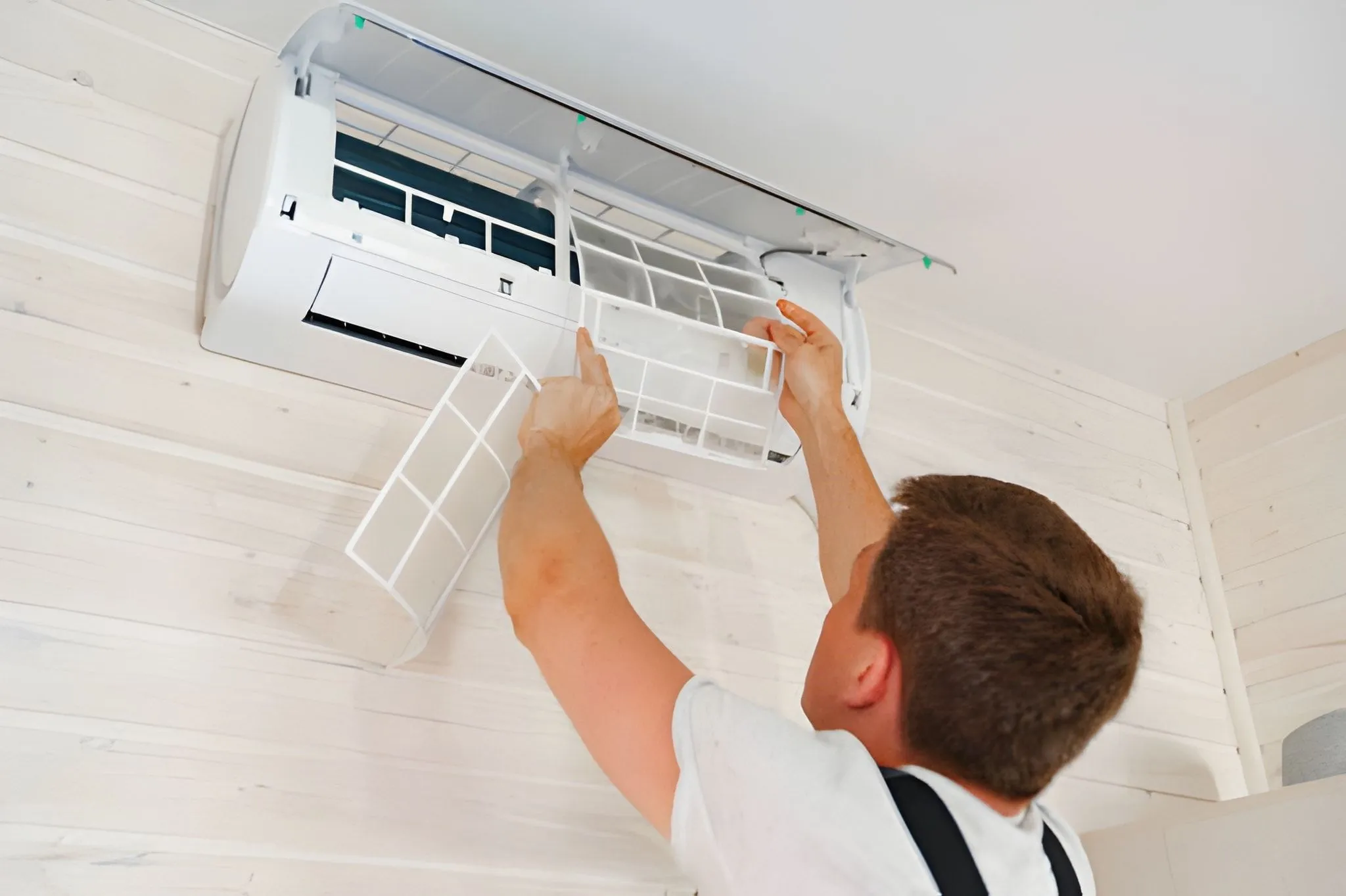
Mini-split repair in Richmond, KS provides expert diagnostics and timely service to restore heating and comfort for ductless systems. All Seasons Air Conditioning and Heating covers common failures such as compressor and inverter faults, refrigerant leaks, airflow issues, and thermostat problems, along with methodical diagnostic steps and typical repair workflows. We also outline emergency response expectations, repair timelines, warranty considerations, and preventive tips to reduce repeat breakdowns, emphasizing local climate stresses and the importance of prompt, professional service for reliable comfort.
Mini-Split Repair in Richmond, KS
Mini-split repair in Richmond, KS focuses on restoring efficient, reliable heating and cooling to homes that depend on ductless systems for targeted comfort. Richmond experiences hot, humid summers and cold winters with intermittent power disturbances from summer storms. Those local conditions make timely mini-split diagnostics and repairs important to prevent long term damage to compressors and inverter electronics. Below is a clear, expert guide to common failures, how technicians diagnose problems, typical repair workflows and timelines, warranty considerations, emergency response expectations, and practical tips to avoid repeat breakdowns.
Common mini-split failures in Richmond, KS homes
- Compressor failure: Signs include loud noises, frequent short cycling, or complete loss of cooling. Heat stress during Kansas heat waves and repeated hard startups can accelerate wear.
- Inverter electronics faults: Modern mini-splits use inverter boards to control compressor speed. Power surges from summer storms or poor wiring can cause electronic faults and error codes.
- Refrigerant leaks: Low refrigerant shows as reduced cooling or icing on the indoor coil. Small leaks can be slow to detect but cause compressor strain over time.
- Airflow issues: Blocked filters, clogged coils, or failing indoor fans result in weak airflow and poor temperature control.
- Thermostat or control faults: Communication errors between the indoor controller/remote and the outdoor unit cause unpredictable operation or no operation at all.
- Drain and condensate problems: Clogged drain lines lead to overflow, water stains, and sometimes safety shutoffs.
Diagnostic procedures technicians use
A methodical diagnostic approach pinpoints the root cause and prevents unnecessary parts replacement:
Typical repair workflow and parts replacement
- Initial diagnosis and written assessment of required repairs.
- Secure necessary replacement parts based on model and fault: common parts include compressors, inverter PCBs, fan motors, expansion devices (TXV/needle valve), reversing valves, coils, sensors, and control boards.
- For electrical or electronic repairs, isolate power, replace or reprogram boards, and verify wiring integrity.
- For refrigerant repairs, locate and repair leaks, recover and evacuate refrigerant as required, perform a vacuum to remove moisture, then recharge to manufacturer specifications and test performance.
- For compressor replacement, technicians will recover refrigerant, remove and replace the compressor or condensing assembly, braze lines as needed, replace filter driers, evacuate, and recharge. This is a more involved job with longer downtime.
- Final system testing: run heating and cooling cycles, check pressures, measure airflow, and confirm error-free operation.
Emergency and after-hours response
Mini-split failures that pose immediate comfort or safety issues — such as total loss of heating in cold weather, refrigerant leaks with noticeable oil, or electrical faults causing intermittent operation — are commonly handled as emergency calls. After-hours response availability in this region helps reduce the risk of compressor damage during prolonged outages or extreme temperatures. Expect emergency diagnostics to prioritize stabilizing the system and recommending next steps; full repairs may follow during scheduled daytime service depending on parts availability and safety requirements.
Estimated repair times
- Initial diagnostic visit: 30 to 90 minutes.
- Minor electrical or control replacements: 1 to 3 hours.
- Indoor fan or sensor replacement, cleaning: 1 to 4 hours.
- Refrigerant leak locating and repair: 2 to 6+ hours depending on access and severity.
- Compressor replacement or major rework: 4 to 8+ hours; complex jobs may require multiple visits if parts need to be ordered or if brazing and pressure testing are necessary.Note: lead times for parts, especially for older or specialty models, can extend total repair timelines.
Warranty and parts information
- Manufacturer warranties for new mini-split components vary by brand and part: compressors often have longer warranties, while electronic components may have shorter coverage. Check the manufacturer documentation for exact terms.
- Replacement parts sourced after the original warranty expires commonly carry their own supplier or aftermarket warranty periods that vary by part type.
- Labor warranties vary by provider; common labor guarantee windows range from a month to a year depending on the scope of work.
- Keep records of service, replaced parts, and refrigerant documentation to support warranty claims and future troubleshooting.
Why timely repair matters in Richmond, KS
- Hot, humid summers and frequent temperature swings place extra demand on compressors and electronic controls, so delaying repairs can turn a small issue into a major failure.
- Rural and semi-rural homes around Richmond may face longer parts delivery times, so early attention prevents increased downtime.
- Power surges during seasonal storms can damage inverter boards; addressing intermittent faults promptly reduces the chance of progressive damage.
Preventive tips to avoid future breakdowns
- Change or clean indoor filters regularly, especially during pollen season and summer months.
- Keep the outdoor unit clear of debris, vegetation, and grass clippings to maintain airflow and condenser efficiency.
- Schedule annual professional maintenance before the cooling season and again before heating season for heat pump models; preventive service includes coil cleaning, electrical checks, and refrigerant assessment.
- Install surge protection where feasible to protect inverter electronics from storm-related voltage spikes.
- Use recommended thermostat settings and avoid frequent, extreme setpoint changes that force hard cycling.
- Address small issues quickly — unusual noises, odors, or sporadic error codes — to avoid escalation.
Mini-split repair in Richmond, KS demands a mix of careful diagnostics, timely action, and local awareness of seasonal stresses. Properly executed repairs restore comfort and help extend system life while reducing the risk of repeat failures common in this climate and service area.
Customer Testimonials
Service Areas