Heating Repair in Eudora, KS
All Seasons Air Conditioning and Heating outlines professional heating repair in Eudora, KS, emphasizing prompt safety, accurate diagnosis, and transparent pricing. Readers learn about common local issues, such as furnace ignition, thermostat faults, blower or duct problems, and heat pump inefficiency, and what to expect from diagnostics, repairs, and typical timelines. We cover emergency response, technician qualifications, warranty terms, and how to prepare for service, including notes for scheduling, access, and safety considerations. Regular maintenance is recommended to extend equipment life and minimize future breakdowns.
Heating Repair in Eudora, KS
When your heating system fails in Eudora, KS, the disruption is immediate and uncomfortable. Winters here bring sustained cold and occasional subfreezing stretches that stress furnaces, heat pumps, and combustion systems. Timely, knowledgeable heating repair protects your family from unsafe conditions, reduces energy waste, and extends the life of your equipment. This page explains what to expect from professional heating repair in Eudora, common local problems, how technicians diagnose issues, typical repairs and timelines, pricing transparency, technician qualifications, warranty details, and how to prepare for scheduling a service.
Common heating issues in Eudora homes
Homes in Eudora commonly experience heating problems driven by cold temperatures, older equipment, and seasonal transitions. Frequent issues include:
- Furnace not starting or intermittent ignition failures
- Pilot assemblies that will not light or stay lit on older gas furnaces
- Thermostat miscalibration or communication faults with the control board
- Weak airflow caused by failing blower motors, dirty filters, or duct restrictions
- Control board or limit switch failures after heavy cycling during extended cold snaps
- Heat pump inefficiency or failure during rapid temperature drops
- Venting problems or combustion issues that create safety concerns
Understanding these common failures helps owners recognize symptoms early and prioritize repairs before more expensive damage occurs.
Emergency response for breakdowns
During an unexpected heating breakdown in cold weather, emergency response focuses on safety and rapid restoration of heat. Emergency protocols typically include:
- Immediate safety assessment for gas leaks, carbon monoxide risk, and electrical hazards
- Temporary measures to restore safe heat when permanent repair requires parts
- Prioritization of customers with vulnerable occupants such as infants, elderly, or medically dependent residents
- Rapid dispatching based on severity and availability, with same-day or next-available appointments for nonlife-threatening issues
Technicians will isolate hazards first, advise on immediate safety steps you can take, and then proceed with diagnostics and permanent repairs.
How technicians diagnose heating problems
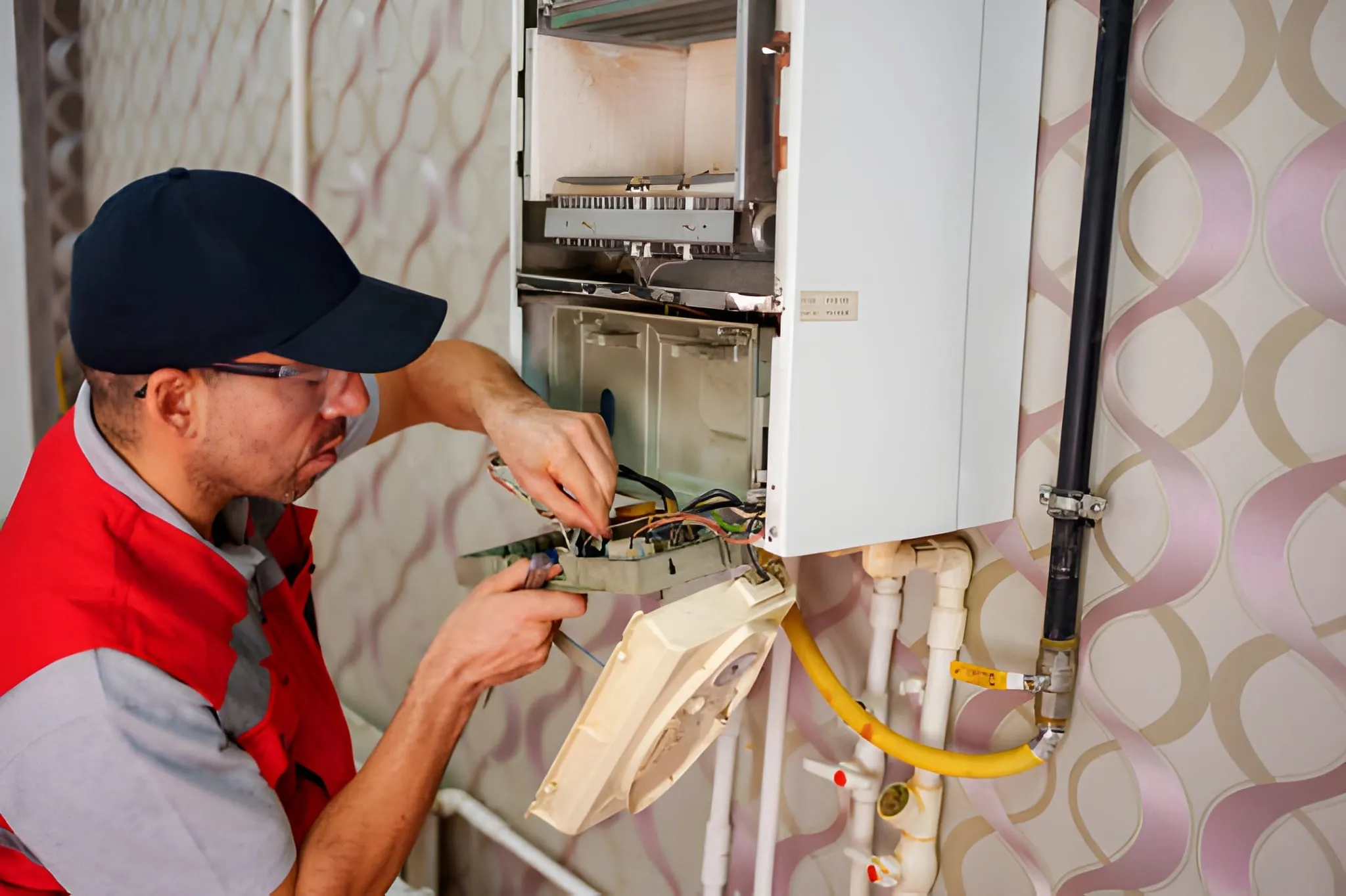
A thorough diagnostic process reveals root causes and avoids unnecessary replacement. Expect these steps during a professional inspection:
- Visual and audible inspection of the unit, venting, and combustion areas
- Verification of thermostat settings, power, and fuel supply
- Electrical checks of fuses, breakers, and control board inputs
- Ignition and pilot system testing, including flame sensor and igniter performance
- Blower motor and capacitor testing, air handler inspection, and airflow measurement
- Gas valve and pressure checks on fuel-fired equipment
- Combustion analysis and carbon monoxide screening for gas appliances
- System cycle testing to observe start-up, run, and shut-down behavior
- Clear documentation of findings and recommended repairs with estimated parts
Safety checks such as heat exchanger inspection and CO testing are standard for gas furnaces in cold-weather repairs.
Common repair solutions explained
Technicians repair or replace components based on diagnostics and safety findings. Typical repairs include:
- Ignition module or hot surface igniter replacement when the furnace will not light
- Pilot assembly cleaning or replacement for older units with unreliable pilots
- Thermostat recalibration or replacement to restore accurate temperature control
- Blower motor repair or replacement and new capacitors to restore airflow
- Control board or relay replacement when electronic controls fail
- Flame sensor cleaning or replacement to prevent nuisance shutdowns
- Gas valve repair, draft inducer motor replacement, and limit switch service
- Refrigerant checks and compressor or reversing valve work on heat pumps
Each repair includes testing to confirm safe operation and restore system efficiency.
Transparent pricing and estimates
A transparent repair process helps homeowners make informed decisions without surprises. Typical pricing practices include:
- A diagnostic fee to cover technician time and testing; this fee is often applied to the final invoice if repairs are performed
- Itemized, written estimates listing parts, labor, and any required permits or safety work
- Clear explanations of why a repair is recommended versus when replacement is more cost-effective due to age or repeated failures
- Upfront disclosure of parts warranty and labor warranty terms associated with the repair
- Explanation of factors that affect cost: equipment age, part availability, system accessibility, and any necessary safety upgrades
This approach ensures you understand the scope and cost before work begins.
Typical repair timelines
Repair time varies by problem complexity and parts availability. General expectations:
- Simple fixes (thermostat issues, sensor cleaning, filter replacement) often completed during the initial visit
- Component replacements such as igniters, capacitors, or flame sensors typically completed the same day when parts are in stock
- Control board, blower motor, or gas valve replacements may require next-day service if parts are not carried on the truck
- More complex jobs or parts needing special order can extend to several days; temporary safety or heating measures are provided when immediate full repair is not possible
Technicians will provide an estimated timeline with the written estimate and keep you informed about any delays due to parts or permitting.
Technician qualifications and certifications
Qualified technicians follow industry standards and safety protocols. Typical credentials include:
- EPA certification for refrigerant handling where heat pumps are involved
- Manufacturer training and factory certifications for specific furnace and heat pump brands
- Completion of HVAC technical training programs and continuing education
- Background checks, identification, and uniformed professional presentation
- Use of calibrated diagnostic tools and combustion analyzers for safe gas appliance testing
These qualifications ensure technicians can diagnose safely and perform repairs that meet code and manufacturer requirements.
Warranty and parts information
Repairs often include warranty coverage to protect homeowners:
- Manufacturer warranties on replacement parts (terms vary by part and brand)
- Labor warranties covering workmanship for a defined period following the repair
- Documentation provided with the estimate and final invoice to clarify warranty length and conditions
- Guidance on warranty registration and care instructions to maintain coverage
Keep repair invoices and part information for warranty claims and future maintenance records.
Preparing for and scheduling a service request
To streamline service and ensure an efficient visit, prepare the following before scheduling or when arranging an appointment:
- Note your system make, model, and approximate age, plus a brief description of symptoms and when they started
- Identify any access instructions, pets, or gate codes that will affect the technician’s entry
- If the issue is an urgent safety concern (gas smell, CO alarm, loss of heat in extreme cold), indicate this so the situation can be prioritized
- Have preferred appointment windows and be available for the arrival window given by dispatch
- Expect the technician to perform diagnostics, present a written estimate, and obtain approval before performing nonemergency repairs
Technicians will arrive ready to diagnose, document findings, and explain repair options clearly and professionally.
Longer-term benefits and maintenance advice
Prompt repairs restore comfort and reduce energy costs. After repairs, regular preventive maintenance—including seasonal Tune-Ups, filter changes, and safety inspections—reduces the chance of emergency breakdowns during Eudora’s coldest months. Keeping service records and addressing minor issues early preserves system life and efficiency.
This page summarizes what to expect from professional heating repair in Eudora, KS: focused emergency response, methodical diagnostics, clear repair options, transparent estimates, qualified technicians, and warranty clarity to protect your home and family during winter.
Customer Testimonials
Service Areas