Furnace Repair in Eudora, KS
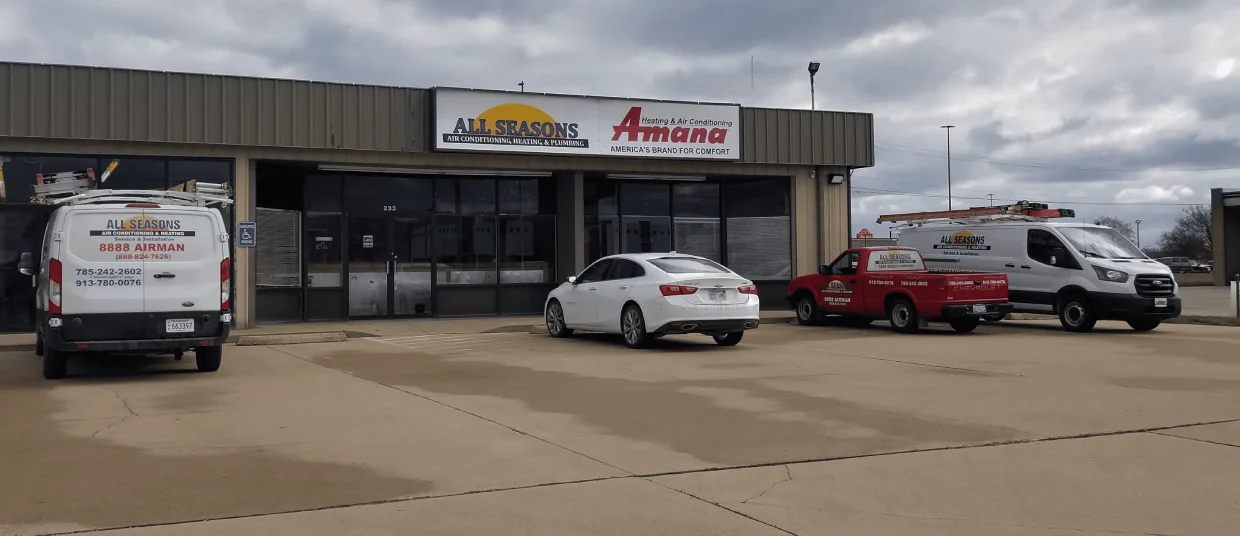
Furnace Repair in Eudora, KS from All Seasons Air Conditioning and Heating delivers fast, thorough diagnosis and reliable repair for residential and light-commercial heating systems. We outline common symptoms, our step-by-step diagnostic process, typical parts and repairs, emergency options, pricing transparency, and warranty expectations, plus practical tips to prevent future breakdowns. Our technicians follow a safety-first method—from initial safety checks to combustion analysis and careful testing of gas, electrical, and control components. Clear communications ensure informed decisions and lasting comfort. All Seasons Air Conditioning and Heating emphasizes safety, transparency, and long-term value for your home.
.jpeg)
Furnace Repair in Eudora, KS
When your furnace fails in the middle of a cold Kansas night, it’s not just inconvenient — it can put your family and property at risk. Furnace Repair in Eudora, KS focuses on fast, reliable diagnosis and repair for residential and light-commercial systems common to this region. Winters in Eudora are cold and can be sudden; older homes and rural properties frequently rely on natural gas furnaces that need timely attention to keep living spaces safe and comfortable. This page explains common symptoms, the step-by-step diagnostic approach technicians use, typical repairs and parts, emergency and rapid-response options, pricing transparency and warranty expectations, plus practical tips to reduce future breakdowns.
Common furnace failure symptoms in Eudora homes
Recognizing symptoms early shortens downtime and limits damage. Watch for:
- No heat at all while the blower runs or nothing runs.
- Short-cycling: the furnace turns on and off frequently without completing a full cycle.
- Unusual noises: banging, rattling, squealing, or booming sounds during ignition or operation.
- Pilot or ignition problems: pilot light won’t stay lit or electronic igniter does not spark.
- Weak or uneven airflow and cold spots in rooms.
- Frequent tripping of limits or safety switches.
- Odors of burning plastic or persistent gas smell (a gas smell is an emergency and should be handled immediately by qualified personnel).
- Elevated utility bills or noticeable loss of efficiency.
Step-by-step diagnostic process
A thorough diagnostic separates simple fixes from safety-critical issues. Technicians generally follow a structured process:
- Verify power at the breaker, thermostat settings, and furnace access panels.
- Check for obvious hazards like gas odors, water leaks, or electrical damage.
- Start the system and observe the entire cycle: thermostat call, ignition, burner operation, and blower performance.
- Note sounds, flame characteristics, and cycle behavior.
- Test fuses, transformers, control board, relays, and wiring for faults or shorts.
- Confirm thermostat operation and settings.
- Confirm gas supply and pressure, inspect the gas valve, pilot assembly or hot surface igniter, and flame sensor.
- Evaluate ignition timing and flame quality.
- Inspect heat exchanger for cracks or corrosion, test limit switches, pressure switches, and draft inducer.
- Perform a combustion analysis or CO test when indicated to ensure safe venting and complete combustion.
- Check blower motor, belts (if applicable), capacitors, and return/ductwork for obstructions or leaks.
- Measure static pressure and airflow when necessary.
- Provide a clear explanation of findings, options to repair versus replace, estimated parts and labor needed, and warranty implications.
Typical parts and repairs performed
Many furnace issues stem from a handful of common components. Typical replacements and repairs include:
- Igniter or pilot assembly: common on furnaces with electronic ignition — failure prevents startup.
- Flame sensor: cleaning can often restore operation; replacement if corroded or failing.
- Gas valve: controls fuel flow; faulty valves create ignition or flame stability issues.
- Ignition control board/PCB: replaces faulty sequencing or electrical controls.
- Blower motor and capacitor: address weak airflow, noisy operation, or motors that won’t start.
- Inducer motor and pressure switches: fix venting or draft problems that prevent ignition.
- Limit switches: stop overheating and address short-cycling behavior.
- Thermostat: sometimes the problem is control-related; upgrading to a modern thermostat resolves comfort issues.
- Heat exchanger: serious cracks or corrosion generally require replacement of the furnace because of safety concerns.
Less common but critical: addressing venting blockages, flue damage, or carbon monoxide leaks. When a heat exchanger is compromised, replacement is typically recommended for safety and code compliance.
Emergency and rapid-response options for Eudora residents
Eudora’s cold snaps and early/late season freezes make emergency response important. Emergency repair services prioritize:
- Rapid arrival windows for situations with no heat, gas smell, or suspected CO leaks.
- On-site safety checks including CO monitoring and temporary safe measures (such as caping a gas valve) while permanent repairs are planned.
- Temporary heating solutions or component bypasses only when safe and code-compliant.
- After-hours diagnostics and limited emergency repairs until a full repair can be completed.
Technicians servicing Eudora homes understand local schedules and weather patterns, so they often plan routes and stock parts to respond quickly during high-demand cold spells.
Pricing transparency and warranty information
Transparent pricing helps you make informed decisions at the point of repair:
- Diagnostic fee and what it includes: a clear explanation of the inspection, tests performed, and documented findings.
- Cost drivers explained: parts rarity, system age, need for permit or venting work, and labor complexity.
- Repair vs replacement rationale: technicians should provide straightforward comparisons including expected life remaining, energy savings, and safety concerns.
- Warranty expectations: typical parts warranties range from limited manufacturer coverage to extended warranties on major components; workmanship warranties cover labor for a defined period. Expect to receive written warranty details before repair work begins.
Avoid surprises by requesting a written estimate that lists parts, labor hours, and warranty terms. For older furnaces, documentation of service history and warranty coverage makes future claims smoother.
Preventing future breakdowns — practical maintenance tips for Eudora homes
Routine care dramatically reduces the chance of mid-winter failures:
- Change or clean filters every 1 to 3 months based on filter type and home dust levels.
- Schedule an annual heating Tune-Up before the main heating season to test combustion, clean burners, inspect the heat exchanger, and lubricate moving parts.
- Keep vents, returns, and the area around the furnace free of clutter and debris.
- Install and test carbon monoxide detectors on every level with sleeping areas.
- Seal and insulate ductwork, especially in older and unconditioned spaces, to improve efficiency and reduce load on the furnace.
- Clear outside vents and intake areas of leaves and snow; prairie dust and seasonal pollen can also reduce component life.
- Consider a programmable or smart thermostat to optimize run-times and reduce short-cycling.
Timely maintenance pays off with longer equipment life, lower heating bills, and fewer emergency calls during Kansas cold spells.
When a furnace is acting up in Eudora, KS, fast, knowledgeable diagnosis and repair protect safety, comfort, and the value of your home. The right repair decision balances immediate needs, long-term reliability, and transparent costs backed by solid warranty coverage.
Customer Testimonials
Service Areas