Furnace Replacement in Eudora, KS
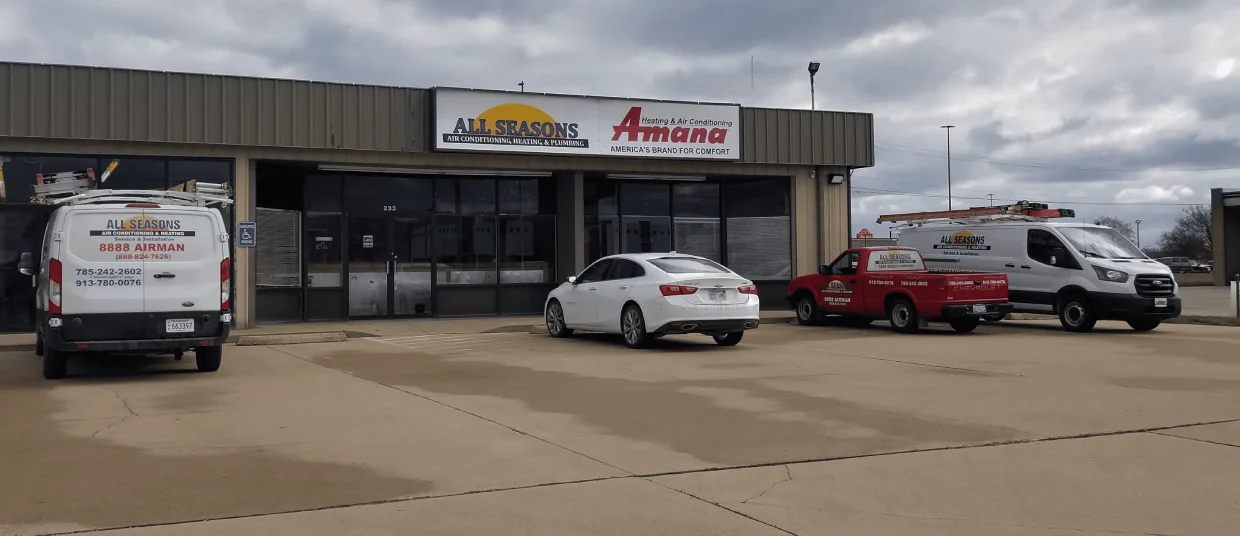
Furnace replacement in Eudora, KS by All Seasons Air Conditioning and Heating details a practical, professional path from assessment through installation and ongoing savings. We explain when replacement is advisable based on age, repairs, efficiency, comfort, safety, and rising costs, how a technician evaluates size and features via Manual J, energy use, and payback estimates, and what to expect during removal and new-unit installation. We cover selecting energy-efficient models, timelines, warranties, financing, and post-install benefits such as consistent comfort, lower bills, and improved indoor air quality for your home.
.webp)
Furnace Replacement in Eudora, KS
Replacing a furnace is one of the most important decisions for keeping your Eudora, KS home safe, comfortable, and energy-efficient through cold Kansas winters. With below-freezing nights, variable winter storms, and many older homes in the area, replacing an aging or unreliable furnace can restore even heating, lower utility bills, and reduce safety risks like carbon monoxide leaks. Below is a practical, expert guide to when replacement is recommended, how a professional assessment works, what to expect during removal and installation, and the performance and financial benefits you can expect after replacement.
When furnace replacement is recommended
Consider replacement when one or more of the following apply:
- Age: most gas furnaces last 15 to 20 years. If your furnace is over 15 years old, replacement is often more economical than repeated repairs.
- Frequent repairs: repeated breakdowns or rising repair costs that approach or exceed 50% of a new system’s value.
- Poor efficiency: older furnaces usually have lower AFUE ratings; upgrades to high-efficiency units can dramatically reduce heating bills during Eudora’s cold months.
- Comfort problems: uneven heating, constant short cycling, noisy operation, or persistent cold spots after ductwork and thermostat checks.
- Safety concerns: cracked heat exchangers, strong exhaust odors, or inconsistent pilot/flame behavior can indicate safety hazards.
- Rising energy bills: significant, unexplained increases in heating costs despite normal usage.
The furnace replacement assessment process
A thorough assessment identifies whether replacement is the best path and what size and features are needed:
- System history review: technician documents equipment age, past repairs, and maintenance history.
- Visual and operational inspection: check heat exchanger condition, burners, ignition system, blower motor, and safety controls.
- Combustion and venting check: evaluate flue condition, draft, and carbon monoxide risk.
- Ductwork evaluation: measure leakage, insulation, and airflow that affect overall performance.
- Load calculation (Manual J): a room-by-room heat loss calculation determines correct furnace capacity to avoid oversizing or undersizing.
- Efficiency and cost analysis: compare current AFUE and estimated annual fuel costs with replacement options to estimate payback.This assessment produces a clear replacement recommendation, equipment options matched to your home, and an estimate showing expected performance gains and warranty details.
Sizing and selecting energy-efficient models
Correct sizing and the right features are essential for comfort and cost savings:
- Manual J sizing ensures the new furnace delivers the right heat output for Eudora homes, accounting for local climate, insulation, windows, and home orientation.
- Efficiency ratings: choose a higher AFUE (Annual Fuel Utilization Efficiency) for lower fuel consumption. High-efficiency condensing furnaces capture more heat and perform very well during long winter runs.
- Staging and modulation: two-stage or modulating furnaces run longer at lower heat levels for more consistent temperatures and improved humidity control—useful during mid-winter temperature swings in Kansas.
- Variable-speed blowers and ECM motors: improve circulation, reduce noise, and increase efficiency.
- Fuel types and hybrid options: natural gas is common locally, but electric furnaces, heat pumps, or dual-fuel systems can be good options depending on fuel availability and energy prices.
- ENERGY STAR and indoor air quality: ENERGY STAR-qualified systems and advanced filtration/circulation options can improve indoor air and lower operating costs.
Removal, disposal, and installation timeline
Professional removal and installation follow safety and local code requirements:
- Safe disconnection: gas lines capped and pressure-tested, electrical disconnected, and venting/flue removed or adapted per code.
- Environmental disposal: old furnaces and components are disposed of according to local regulations; salvage and recycling of metal parts is common.
- Typical timeline:
- Like-for-like replacement (same size, same location): often completed in one day (4 to 8 hours).
- System upgrades (new venting, ductwork modifications, or different fuel type): 1 to 3 days depending on complexity.
- Permits and inspections: some jurisdictions require permits and post-installation inspections, which can add a few days for scheduling.
- Safety and cleanup: installers perform combustion and CO testing, verify venting, and ensure thermostat and control integration before leaving the job.
Brands, warranties, financing, and free estimate details
Knowing brand options and warranty coverage helps set expectations:
- Common brands available locally include Amana, Lennox, Trane, Carrier, Goodman, and others; each offers varying efficiency levels and warranty structures.
- Warranties: expect a combination of manufacturer parts warranties and heat exchanger warranties (often longer). Labor warranties are offered by installers and vary in length. Registering the new unit with the manufacturer may be required to activate full warranty coverage.
- Financing options: many homeowners use manufacturer financing plans, third-party financing, or seasonal promotions. Utility rebates and state or federal incentives can sometimes offset costs for high-efficiency equipment; eligibility varies by program.
- Free estimate content: a professional free estimate typically includes the load calculation results, recommended equipment options with efficiency ratings, an itemized scope of work (including ductwork or venting needs), warranty terms, financing alternatives, and a projected energy-savings comparison.
What to expect after replacement: comfort and savings
A correctly selected and installed furnace delivers tangible benefits for Eudora homeowners:
- Improved comfort: consistent temperatures, fewer cold spots, and quieter operation from modern blower and burner designs.
- Energy savings: many homeowners see measurable reductions in heating costs after upgrading from an old, inefficient furnace—savings vary based on previous system efficiency and local fuel prices.
- Better indoor air quality: improved filtration and better airflow management reduce dust and allergens.
- Enhanced safety and reliability: lower risk of combustion-related issues and fewer emergency repairs during peak winter demand.
- Increased home value and appeal: modern, efficient HVAC systems can be an attractive feature for resale in the local market.
Maintenance and long-term care
To preserve performance and warranty coverage:
- Schedule annual maintenance visits: pre-season Tune-Ups extend equipment life and maintain efficiency.
- Replace or clean filters regularly: appropriate filters improve airflow and protect components.
- Monitor performance: note unusual noises, cycling patterns, or changes in comfort and address them early.
Replacing a furnace in Eudora, KS is a strategic investment in safety, comfort, and long-term energy savings. An informed assessment, properly sized equipment, professional removal and installation, and attention to warranties and maintenance will deliver reliable warmth through Kansas winters and lower operating costs over the life of the system.
Customer Testimonials
Service Areas