Tankless Water Heater Maintenance in Olathe, KS
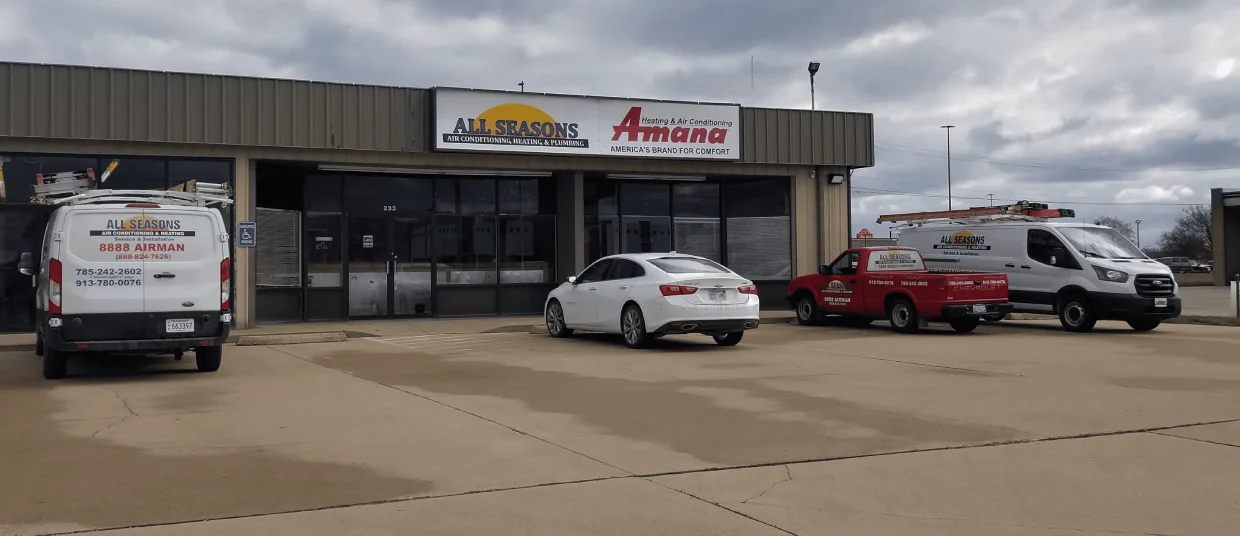
All Seasons Air Conditioning and Heating outlines proactive maintenance for tankless water heaters in Olathe, KS, addressing local water conditions and seasonal demand. We cover recommended service intervals, descaling and flushing steps, burner and filter inspections, performance checks, software updates where available, and tailored maintenance plans for Olathe homes. Regular care preserves flow and hot water delivery, improves energy efficiency, reduces emergency repairs, and extends equipment life. By following our structured service, homeowners gain reliable performance and predictable costs in every season.
.webp)
Tankless Water Heater Maintenance in Olathe, KS
Keeping a tankless water heater running reliably in Olathe, KS means proactive care that addresses local water conditions and seasonal demand. Routine maintenance prevents mineral buildup, preserves efficiency, and extends the life of the unit. This page explains recommended service intervals, the descaling and flushing steps technicians use, inspections for burners and filters, performance and controls checks, software updates where applicable, and sensible maintenance plan options tailored for Olathe homes.
Why routine tankless water heater maintenance matters in Olathe, KS
Olathe’s water supply and seasonal temperature swings make maintenance especially important. Many homes in the Kansas City metro experience moderately hard to hard water, which accelerates scale formation inside heat exchangers and plumbing. Midwestern winters also increase heating loads, so any loss of performance during cold months is more noticeable and costly.
Regular maintenance:
- Preserves original flow rates and hot water delivery
- Keeps energy use low by maintaining heat transfer efficiency
- Reduces emergency repairs by catching small issues early
- Helps units meet manufacturer maintenance requirements for long-term reliability
Common tankless water heater issues in Olathe
Understanding common local problems helps homeowners prioritize maintenance:
- Mineral scale and reduced flow - hard water deposits on the heat exchanger lower efficiency and can trigger error codes or reduced temperature output.
- Burner sooting or improper combustion - dirt or debris can affect burners, especially in homes with nearby construction or dusty conditions.
- Clogged inlet filters and screens - sediment or rust from older supply lines can restrict flow.
- Erratic control behavior - sensors and control boards can drift or require software updates in newer models.
- Freeze-related stress - inadequate freeze protection or outdoor installations in Olathe winters can cause damage without proper checks.
Recommended service intervals
A regular schedule keeps issues manageable:
- Annual full maintenance: For most homes, one comprehensive service each 12 months is the baseline.
- Biannual checks: Homes with especially hard water, well water, or high hot water usage should consider inspections and partial maintenance every 6 months.
- After unusual conditions: Schedule an inspection after construction, water system work, or a period of non-use.
Descaling and flushing procedure (what to expect)
Descaling and flushing remove mineral scale that impairs performance. Technicians follow a clear process:
This procedure restores heat transfer and flow without disassembling the heat exchanger in most cases. Frequency depends on water hardness and usage.
Inspection of burners, filters, and flow components
A technician will:
- Clean or replace inlet filters and screens to prevent flow restriction.
- Inspect burners for soot, proper flame pattern, and safe combustion.
- Check venting and air intake passages for blockages or corrosion.
- Test flow sensors and pressure switches for correct operation.
- Inspect plumbing connections for leaks, corrosion, or scale buildup.
These checks prevent common faults and maintain safety and efficiency.
Performance checks and controls updates
Modern tankless units include sensors and electronics that benefit from a performance review:
- Verify temperature rise across the heat exchanger at typical and peak flows.
- Confirm consistent flow rates and hot water delivery at multiple fixtures.
- Read diagnostic codes and clear non-critical error history after resolving root causes.
- Update software or control firmware when available to improve reliability and add features.
Technicians use diagnostic tools to measure gas or electrical draw, temperature accuracy, and error logs so you get an objective assessment of health and efficiency.
Maintenance plan options for Olathe homeowners
Maintenance plans make it easy to stay on schedule and protect performance. Typical tiers include:
- Basic Plan: Annual inspection, filter cleaning, combustion and vent check, and a performance report. Ideal for low-to-moderate usage homes with treated municipal water.
- Standard Plan: Annual or semiannual descaling and flushing (based on hardness), burner and filter service, minor adjustments, and diagnostic testing. Suited for most Olathe households.
- Comprehensive Plan: All Standard services plus priority scheduling, seasonal checks before winter, parts inspection and lubrication, and software updates. Best for high-use homes, properties with well water, or tankless systems serving whole-house demand.
Each plan emphasizes preventive care to avoid unexpected failures, maintain warranty compliance, and maximize energy savings.
Benefits of regular maintenance - efficiency, longevity, and cost control
Routine maintenance delivers measurable benefits:
- Energy savings: A clean heat exchanger transfers heat more efficiently, lowering energy consumption.
- Fewer repairs: Early detection prevents small issues from becoming major failures.
- Longer equipment life: Reducing scale and stress on components can add years to a unit’s useful service.
- Predictable budgeting: Scheduled maintenance reduces the chance of urgent, high-cost repairs.
In Olathe, where water hardness and temperature demand create extra stress, these benefits are amplified.
Practical maintenance tips for homeowners in Olathe
- Know your water source: If you have a private well, plan for more frequent descaling.
- Keep vents and inlets clear: Don’t block intake vents; keep landscaping and debris away from outdoor units.
- Monitor performance: Note changes in flow, temperature consistency, or unusual noises and report them at the next service interval.
- Use a water softener or scale inhibitor where appropriate: These can reduce scale formation and extend intervals between major descaling services.
Final note on long-term value
Tankless water heaters are a long-term investment in comfort and efficiency. In Olathe, KS, regular, professional maintenance tuned to local water and seasonal conditions preserves performance and lowers lifetime operating costs. Well-maintained units deliver dependable hot water, reduced energy use, and fewer emergency repairs, making maintenance a practical priority for homeowners who rely on consistent, efficient hot water every day.
Customer Testimonials
Service Areas