Mini-Split Maintenance in Lawrence, KS
All Seasons Air Conditioning and Heating explains proactive Mini-Split Maintenance in Lawrence, KS, detailing exactly what preventative care covers, common issues, diagnostic checks, recommended maintenance frequency, and our valuable membership perks. We highlight how regular tune-ups significantly improve airflow, refrigerant efficiency, and energy use while helping prevent ice buildup, leaks, and unwanted noise. Readers will learn about the professional maintenance tasks we perform, the undeniable value of seasonal visits, and simple tips to extend your system's life between our service visits. Our goal is reliable comfort, lower costs, and longer equipment life for your home.
Mini-Split Maintenance in Lawrence, KS
Keeping your mini-split system running reliably requires more than occasional cleaning. In Lawrence, KS, where hot, humid summers and cold winters place varying demands on ductless systems, proactive Mini-Split Maintenance in Lawrence, KS prevents breakdowns, preserves efficiency, and extends equipment life. This page explains what preventative maintenance covers, common mini-split problems seen in Lawrence homes, the diagnostic checks professionals perform, recommended maintenance frequency and membership perks, and practical tips to keep your system efficient between service visits.
Why seasonal mini-split maintenance matters in Lawrence, KS
Lawrence experiences high humidity and pollen in late spring and summer and freezing conditions in winter. Humidity and pollen quickly clog filters and coils, reducing airflow and promoting ice formation on evaporator coils. Winter defrost cycles and low ambient heating modes stress outdoor units. Routine maintenance prepares your system for these seasonal changes, helps avoid emergency repairs during heat waves or cold snaps, and keeps energy use lower when utility bills spike. Regular service also helps maintain manufacturer warranty requirements for many systems.
Common mini-split issues in Lawrence homes
- Reduced cooling or heating capacity - Often caused by dirty coils, blocked filters, or low refrigerant. Homes with high pollen or pets see this more often.
- Ice or frost on indoor or outdoor coils - Typically a sign of airflow restriction or refrigerant imbalance.
- High energy bills - Dirty coils and poor refrigerant charge force the compressor to run longer, increasing energy use.
- Noisy operation - Loose mounts, failing fans, or worn bearings produce vibration and noise complaints.
- Uneven room temperatures - Incorrect system sizing, airflow obstructions, or sensor problems can cause hot and cold spots.
- Water leaks or condensate overflow - Clogged drains or failed condensate pumps will lead to water damage if left unaddressed.
- Electrical faults or communication errors - Corroded wiring, loose connections, or failing control boards can create intermittent operation or total failure.
What a professional mini-split maintenance visit includes
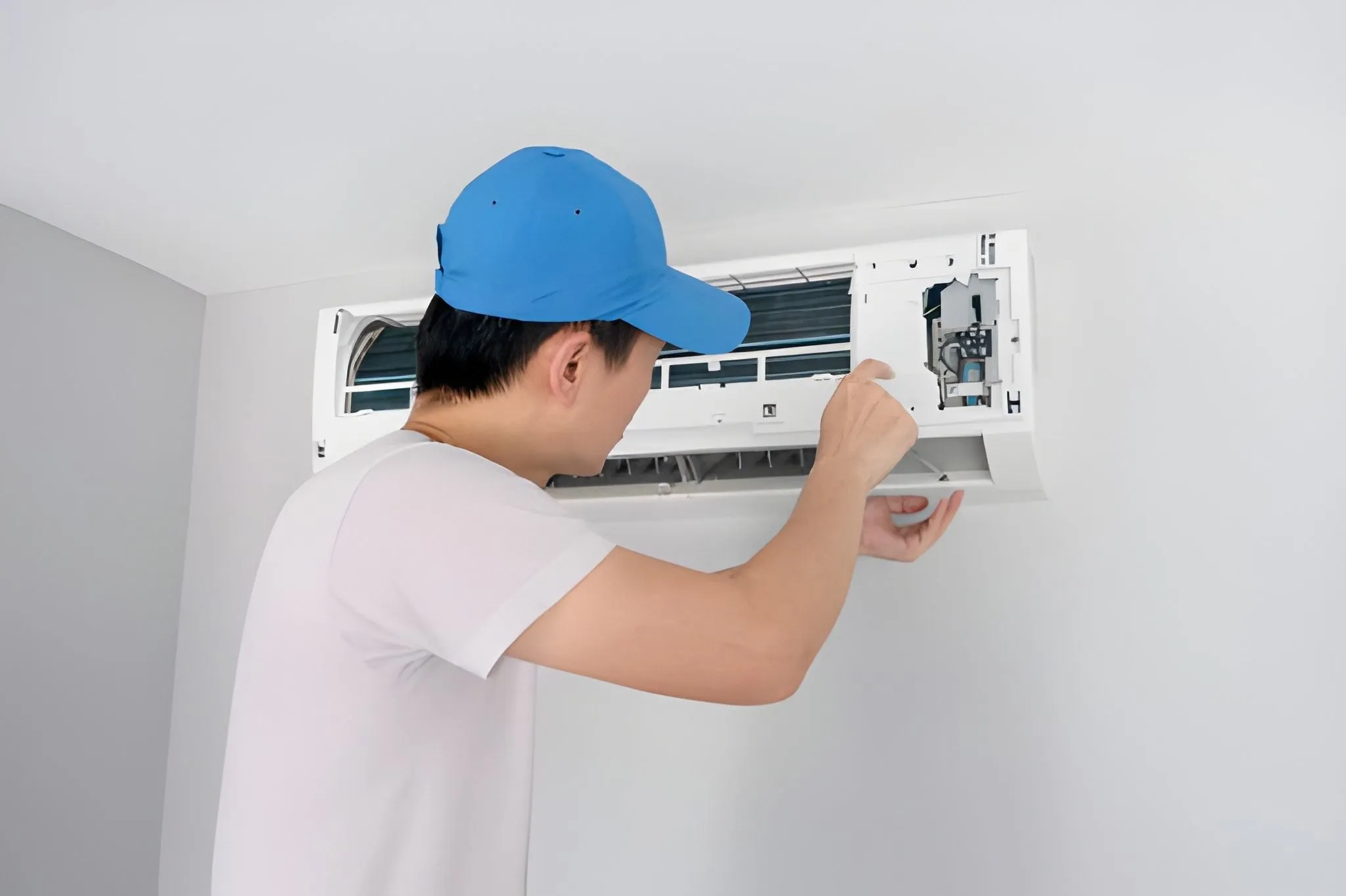
A full preventative maintenance tune-up addresses airflow, refrigerant, electrical safety, and system performance. Typical items included in a professional Mini-Split Maintenance visit:
- Visual inspection
- Check indoor and outdoor units for physical damage, secure mounting, and proper clearances.
- Inspect refrigerant lines and insulation, drain lines, and ductless unit brackets.
- Filter and coil service
- Clean or replace washable and disposable filters.
- Clean indoor blower wheel and evaporator coil to restore airflow and heat transfer.
- Clean outdoor condenser coil and remove debris that blocks airflow.
- Refrigerant and pressure checks
- Measure refrigerant pressures and temperatures to verify proper charge.
- Conduct leak detection if pressures are abnormal or oil stains are visible.
- Electrical safety inspection
- Inspect wiring, terminal connections, fuses, contactors, and capacitors for wear or overheating.
- Test line voltage and amp draw to ensure the compressor and fans are within safe operating ranges.
- Performance testing
- Measure temperature split between supply and return air, verify system is meeting expected cooling or heating output.
- Run system through heating and cooling cycles to confirm defrost operation and inverter performance.
- Condensate and drainage checks
- Clear condensate traps and lines, test condensate pump if present.
- Verify proper slope and drainage away from the home to prevent water intrusion.
- Controls and communication
- Check remote control functions, thermostat settings, and any smart integrations.
- Update firmware or control settings if manufacturer updates are available and applicable.
- Documentation and recommendations
- Provide a written report of findings, recommended repairs, and parts that may need replacement soon.
Recommended maintenance schedule and membership benefits
For most Lawrence homes, schedule mini-split maintenance at least twice per year:
- Spring tune-up before the cooling season to clean coils, verify refrigerant, and prepare for summer humidity.
- Fall tune-up before colder months to check heating mode, defrost cycle, and winter protections.
Homes that use mini-splits year round, or properties with heavy pollen, pets, or dusty conditions, may benefit from more frequent checks. Maintenance membership plans commonly include scheduled seasonal visits, filter replacement, priority scheduling, and discounted repairs. Memberships also help ensure consistent records of service which supports warranty claims and long-term reliability.
DIY tips to prolong mini-split life between professional visits
- Replace or clean filters monthly during peak use months and at least every 2-3 months otherwise.
- Keep indoor and outdoor units free of dust, pet hair, and debris. Gently vacuum or wipe vents and slats.
- Clear vegetation and snow at least 2 feet around outdoor units to maintain airflow.
- Confirm condensate lines are draining; run water through the drain to verify flow and prevent clogs.
- Avoid blocking indoor unit airflow with furniture or curtains and close refrigerator doors to reduce workload.
- Use moderate setpoints and avoid rapid thermostat changes to reduce compressor short cycling.
- If you notice unusual noises, odors, water, or performance drops, schedule a professional inspection promptly to avoid more extensive damage.
How timely maintenance reduces repairs and energy use
Regular maintenance restores proper heat transfer and airflow, which reduces compressor run time and electrical load. Clean coils and correct refrigerant levels help the system meet factory efficiency, often improving performance enough to lower operating costs noticeably. Electrical inspections catch loose connections and failing components before they cause costly breakdowns. In short, proactive maintenance replaces reactive emergency repair with predictable care, extending equipment life and stabilizing monthly energy use.
Routine Mini-Split Maintenance in Lawrence, KS protects comfort and home investment. With seasonal tune-ups, coil and filter service, refrigerant and electrical checks, and simple homeowner care in between visits, mini-splits will deliver quieter, more efficient heating and cooling and avoid many common Lawrence-area problems like pollen-clogged filters, humidity-related icing, and winter defrost issues.
Customer Testimonials
Service Areas