Mini-Split Installation in Osawatomie, KS
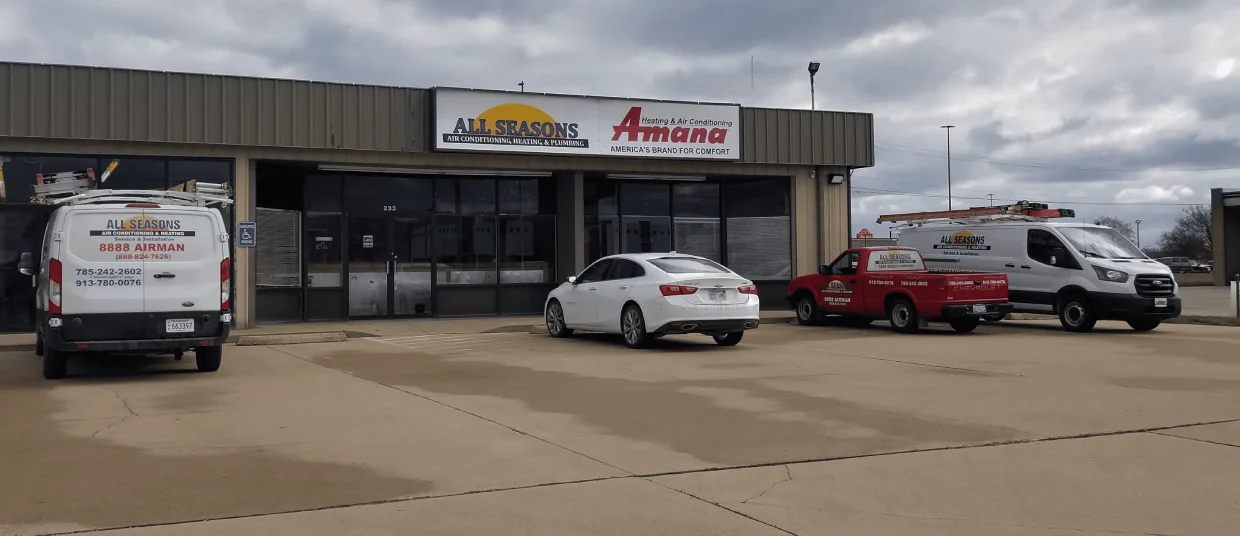
Mini-split installation in Osawatomie, KS is covered by All Seasons Air Conditioning and Heating, outlining the complete process from load and zone assessment to proper equipment selection and compliant indoor and outdoor placement. We address common local needs, explain on-site consultations, and highlight sizing to prevent short-cycling and ensure efficient zoned comfort. We detail refrigerant handling, electrical work, permitting, testing, balancing, and post-installation care, plus timelines, pricing considerations, and maintenance plans to maximize comfort and energy performance for lasting value.
Mini-Split Installation in Osawatomie, KS
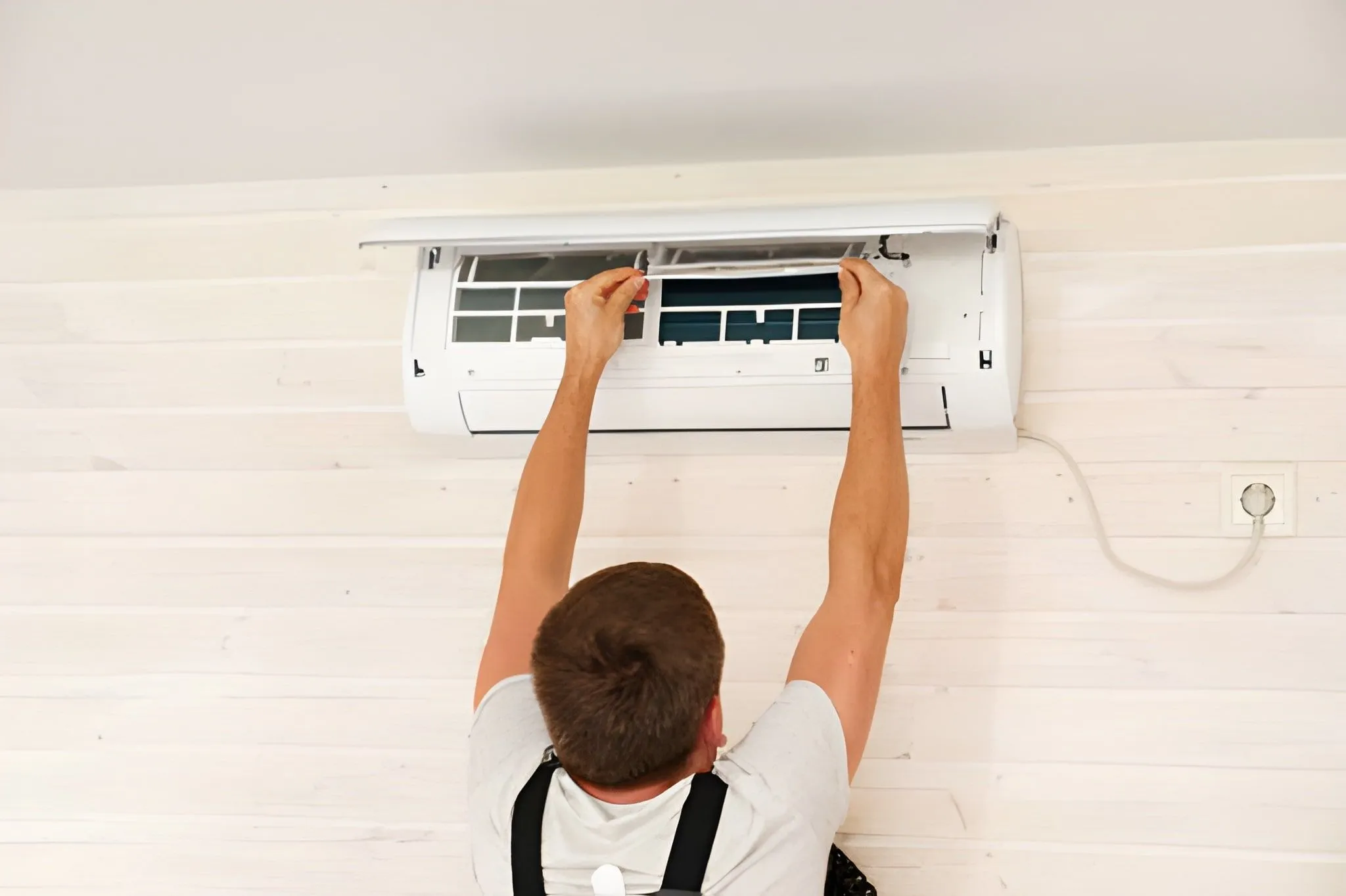
Installing a ductless mini-split is one of the most effective ways to add efficient heating and cooling to Osawatomie, KS homes—especially older houses, additions, or spaces without existing ductwork. A properly sized and installed mini-split delivers year-round comfort, lower energy use, and precise zoning for rooms that need it most. This page explains the full mini-split installation process in Osawatomie, common local issues, what to expect on installation day, and how to care for your system after it’s installed.
Why a mini-split makes sense in Osawatomie, KS
Osawatomie experiences hot, humid summers and cold winters. Mini-splits offer high-efficiency cooling during peak summer humidity and effective heat pump performance in shoulder seasons and mild winter days. For homes with older construction, partial remodels, garages, bonus rooms, or homes without viable duct systems, a ductless system provides targeted comfort with minimal disruption to walls and ceilings.
Common mini-split needs and issues in Osawatomie
- Adding conditioned space for basements, sunrooms, or home offices
- Replacing inefficient window units or space heaters with quieter, more efficient systems
- Addressing uneven temperatures between rooms or floors
- Upgrading to higher-efficiency equipment to reduce summer cooling bills and improve winter comfort
- Resolving common performance problems such as inadequate airflow, incorrect sizing, or poor refrigerant charge
Initial consultation and load/zone assessment
The installation process starts with an on-site consultation and a detailed load/zone assessment. Technicians evaluate:
- Square footage and ceiling heights of each zone
- Insulation levels, window orientation, and solar gain (important in Osawatomie’s sunny summers)
- Existing heating and cooling sources and ductwork availability
- Occupancy patterns and desired temperature control per room
This assessment determines the correct system capacity (not simply “bigger is better”) and how many indoor heads are needed to maintain efficient, consistent comfort. Proper sizing prevents short-cycling, reduces energy use, and extends equipment life.
Unit and indoor head selection
Based on the assessment you’ll choose:
- Single-zone vs. multi-zone systems (one outdoor condenser serving multiple indoor heads)
- Indoor head styles: wall-mounted, low-profile ceiling cassette, or slim ducted units for discreet installations
- Efficiency ratings and features like variable-speed inverter compressors, dehumidification modes, and smart thermostats
Selection balances performance, aesthetics, and budget while ensuring the equipment suits Osawatomie’s seasonal temperature swings.
Placement of outdoor condenser and indoor units
Strategic placement affects performance and maintenance:
- Outdoor condenser location: level, well-ventilated, away from heavy shade or debris, and on a pad above potential flood or standing water zones
- Indoor head placement: high on walls for even air distribution, clear of direct sunlight or obstructions, and positioned to serve the intended zone without short-circuiting airflowInstallers also consider routing for refrigerant lines and electrical runs to minimize wall penetrations and maintain the home’s appearance.
Refrigerant line and electrical work
Installation includes:
- Running insulated refrigerant lines, condensate drain, and a conduit for electrical wiring between indoor heads and outdoor condenser
- Properly brazing and vacuuming refrigerant lines to manufacturer specifications to ensure correct charge and prevent moisture ingress
- A licensed electrician verifying or installing a dedicated circuit, disconnect switch, and ensuring electrical connections meet local code
Quality refrigerant handling and electrical work are essential to system longevity and performance.
Permitting and code compliance
Mini-split installations in Osawatomie require adherence to local building codes and electrical regulations. Permits may be needed for refrigeration work, electrical connections, or changes to the building envelope. Following code ensures safety, eases future resale, and prevents costly rework. Installers familiar with Miami County and Osawatomie code requirements can manage permit submissions and inspections.
Testing, balancing, and handoff
After installation technicians:
- Evacuate and charge the refrigerant system, then test pressures and temperatures to confirm proper operation
- Verify airflow, temperature differentials, and refrigerant charge against manufacturer specs
- Balance zones so each indoor head provides expected capacity and comfort
- Demonstrate system operation, controls, and basic maintenance tasks to homeowners
Thorough testing at this stage prevents common startup problems and secures reliable performance from day one.
Expected timeline and pricing considerations
Timeline:
- Consultation and assessment: typically 1 visit, 30–90 minutes
- Equipment selection and permit processing: varies by project complexity and permitting timelines
- Installation: most residential mini-splits for a single zone can be completed in a day; multi-zone systems often take 1–2 days depending on the number of indoor units and routing complexity
Pricing factors (without specific dollar amounts) to expect:
- Number of zones and indoor heads required
- Type of indoor units (wall-mounted vs. ceiling cassette or ducted)
- Length and complexity of refrigerant and electrical runs
- Need for structural work, custom mounts, or aesthetic finishes
- Permit and inspection feesThese variables determine the final investment and are discussed during the initial assessment so homeowners understand tradeoffs between cost and performance.
Post-installation care and performance tips
To keep a mini-split operating efficiently:
- Clean or replace filters regularly (frequency depends on occupancy and indoor air quality)
- Keep outdoor condenser clear of leaves, grass, and debris, especially during spring and fall when yard maintenance is active in the Osawatomie area
- Schedule annual or biannual inspections to check refrigerant charge, electrical connections, and condensate drainage
- Use zoning wisely—set different temperatures for unoccupied rooms to maximize savings without sacrificing comfort
Maintenance plans and financing options
Long-term performance is supported by routine maintenance plans that include scheduled cleanings, inspections, and priority service. Financing options are commonly available to help spread the upfront cost of equipment and installation over time. When evaluating maintenance and financing, consider coverage for labor, parts, and preventative checks that preserve system efficiency and warranty compliance.
Benefits summary
A properly installed mini-split in Osawatomie, KS provides:
- Zoned, whisper-quiet comfort in rooms that need it most
- High seasonal efficiency and improved humidity control in humid summers
- Minimal structural disruption compared to full ductwork installations
- Greater control over energy costs and targeted comfort solutions for older homes or additions
A detailed load assessment, code-compliant installation, and routine maintenance are the keys to a reliable, long-lasting mini-split system that matches Osawatomie’s climate and your home’s needs.
Customer Testimonials
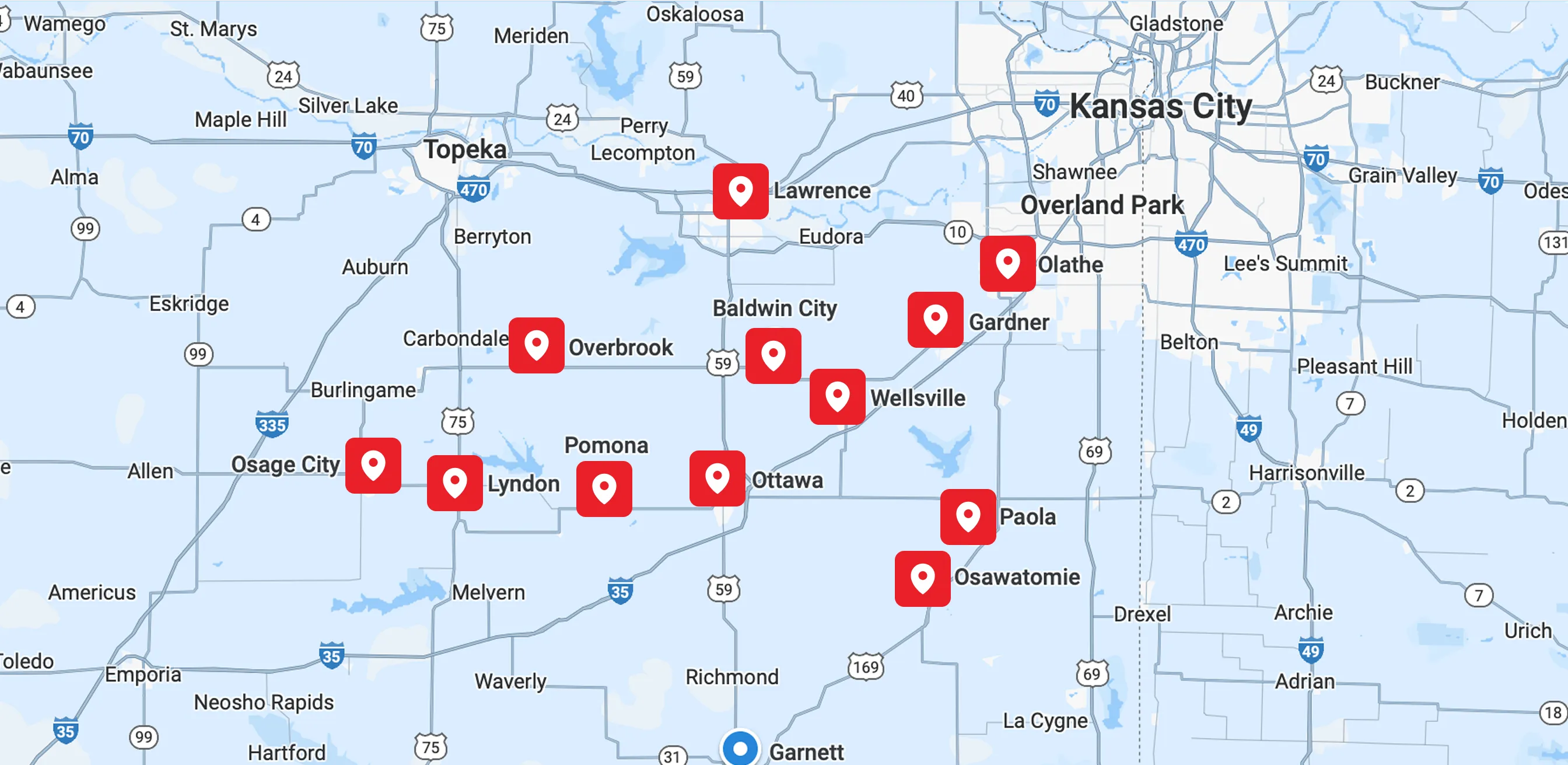
Service Areas