Mini-Split Installation in Olathe, KS
All Seasons Air Conditioning and Heating outlines professional mini-split installation in Olathe, KS, detailing our structured process from the initial site assessment to final commissioning. We emphasize accurate Manual J load calculations, proper equipment selection by zone, and careful refrigerant and electrical work to ensure maximum energy efficiency and reliable comfort. Our guidance covers optimal indoor and outdoor unit placement, streamlined refrigerant routing, and thorough system testing across all modes. We also offer homeowner training and practical maintenance tips to sustain long-term performance in Olathe's specific climate conditions. You can always rely on our experienced installers for the best results.
.webp)
Mini-Split Installation in Olathe, KS
Installing a ductless mini-split in Olathe, KS is a practical, energy-efficient way to add zoned heating and cooling to homes that lack ductwork or need targeted comfort for additions, finished basements, garages, or bedrooms. With hot, humid summers and cold winters in the Kansas City metro area, a properly designed mini-split system delivers year round comfort, lower energy use, and flexible installation options that traditional HVAC often cannot match.
Why choose a mini-split in Olathe, KS
- Local climate fit: Modern mini-split heat pumps operate efficiently in both summer cooling and cold-weather heating, making them well suited for Olathe where temperatures swing widely.
- No ductwork required: Ideal for older homes in southeast Johnson County and neighborhoods where installing ducts is impractical or disruptive.
- Zoned comfort: Control temperatures room by room to reduce energy waste in unused spaces.
- Quick installation and minimal structural impact: Smaller footprint and limited wall or penetrations compared to full HVAC replacements.
Common mini-split installation types and common issues in Olathe, KS
- Single-zone wall mounted systems for individual rooms.
- Multi-zone systems servicing several rooms with one outdoor unit.
- Ceiling cassette or concealed wall systems for aesthetic or space-constrained installations.
- Add-on heat pump solutions for garages, sunrooms, or converted attics.
Common issues seen during installs and retrofits:
- Undersized systems because of rule-of-thumb sizing instead of accurate load calculations.
- Poor indoor unit placement causing uneven airflow or short cycling.
- Inadequate electrical capacity or improper breaker sizing at older Olathe homes.
- Improper refrigerant charge after long line-set routing.
- Condensate drainage problems in basements or tight cavities.
- Lack of permits or not meeting local code requirements.
Site assessment and load calculations
A reliable mini-split installation begins with a detailed site assessment and Manual J load calculation. The assessment includes:
- Measuring room dimensions, ceiling height, window area and orientation, insulation levels, and air infiltration.
- Accounting for solar gain on south and west exposures common in Olathe neighborhoods.
- Considering occupancy patterns and internal heat gains from appliances.
Accurate load calculations determine required capacity and number of zones. Oversizing leads to short cycles, humidity problems, and higher operating costs. Correct sizing helps ensure both comfort and efficiency.
Equipment selection guidance
When selecting equipment, consider:
- Capacity and number of zones based on Manual J results.
- Heating performance at low ambient temperatures; look for cold-climate ratings if heating is a primary concern.
- Efficiency ratings: SEER for cooling and HSPF for heating. Higher ratings save energy but balance against upfront cost.
- Features like variable-speed inverter compressors, smart thermostats, and multi-mode settings for dehumidification.
- Indoor unit types: low-profile wall mounts for typical rooms, ceiling cassettes for central supply, or concealed ducted units for a clean look.
Indoor and outdoor unit placement
Proper placement sets the foundation for performance:
- Indoor units should be high on a wall or ceiling location that allows unobstructed airflow and balanced distribution within the zone.
- Avoid mounting directly above beds or work surfaces where airflow may cause discomfort.
- Outdoor units should be located on a stable pad with at least the manufacturer recommended clearances for airflow and service access.
- Consider noise, roof or fence proximity, and winter snow drift patterns common in the Olathe area.
Refrigerant line routing and electrical hookups
Key installation steps and best practices:
- Plan the shortest, most direct refrigerant line routes while maintaining proper slopes for condensate drainage.
- Use properly sized copper line sets, insulation, and protective conduit through walls. Longer runs may require additional refrigerant charge and adjustments.
- Perform brazing in a controlled manner and evacuate the system to a deep vacuum before charging to ensure no moisture remains.
- Electrical requirements often include a dedicated circuit, correctly sized breaker, and proper disconnects. Many mini-splits require 208/230V service; verify compatibility with the home panel.
- Install condensate lines and, where gravity drainage is not possible, include condensate pumps with safety float switches.
System commissioning and performance testing
Commissioning is critical to verify the installation:
- Confirm refrigerant charge and system pressures to manufacturer specifications.
- Test system operation across modes: cooling, heating, defrost cycles, fan speeds, and controls.
- Measure supply and return temperatures, airflow patterns, and electrical draws.
- Verify condensate management, drain integrity, and safe electrical connections.
- Inspect mounting hardware and outdoor unit clearances once the system is under normal operation.
Post-installation homeowner training
A thorough walk-through helps homeowners get maximum value:
- Explain basic controls: remote, wall controller, or app-based operation.
- Demonstrate setting temperature schedules and eco modes for energy savings.
- Show filter locations and how to clean or replace them; simple filter maintenance substantially extends system life.
- Review how defrost cycles work and what noises or behaviors are normal vs symptoms that need service.
- Provide maintenance recommendations: filter cleaning every 1 to 3 months, annual professional tune-up, and clearing debris around the outdoor unit.
Permit considerations, timelines, and guarantees
- Permits: Olathe and Johnson County typically require electrical and HVAC permits for mini-split installations. Permit timelines can add a few days but ensure inspections and code compliance.
- Typical timelines: Single-zone wall installations often complete in one day. Multi-zone systems or complex retrofits can take 1 to 3 days depending on access, number of indoor units, and routing complexity.
- Warranties and guarantees: Standard equipment warranties cover manufacturer defects while reputable installers provide workmanship guarantees covering installation labor, line-set integrity, and commissioning. Verify duration and scope as part of the planning process.
Benefits and maintenance tips for long-term performance
- Benefits: Zoned temperature control, potential energy savings, minimal invasive installation, and improved comfort in targeted spaces.
- Ongoing maintenance tips:
- Keep outdoor unit clear of vegetation, snow, and debris.
- Clean indoor filters regularly and schedule an annual service to check refrigerant, electrical, and mechanical components.
- Monitor for unusual noise or reduced airflow which may indicate a problem early.
A professionally executed mini-split installation in Olathe, KS that follows careful assessment, correct equipment selection, precise refrigerant and electrical work, and complete commissioning will provide reliable, efficient comfort year round. Proper homeowner training and routine maintenance ensure the system continues to perform well in the local climate and delivers the zoned comfort Kansas homeowners expect.
Customer Testimonials
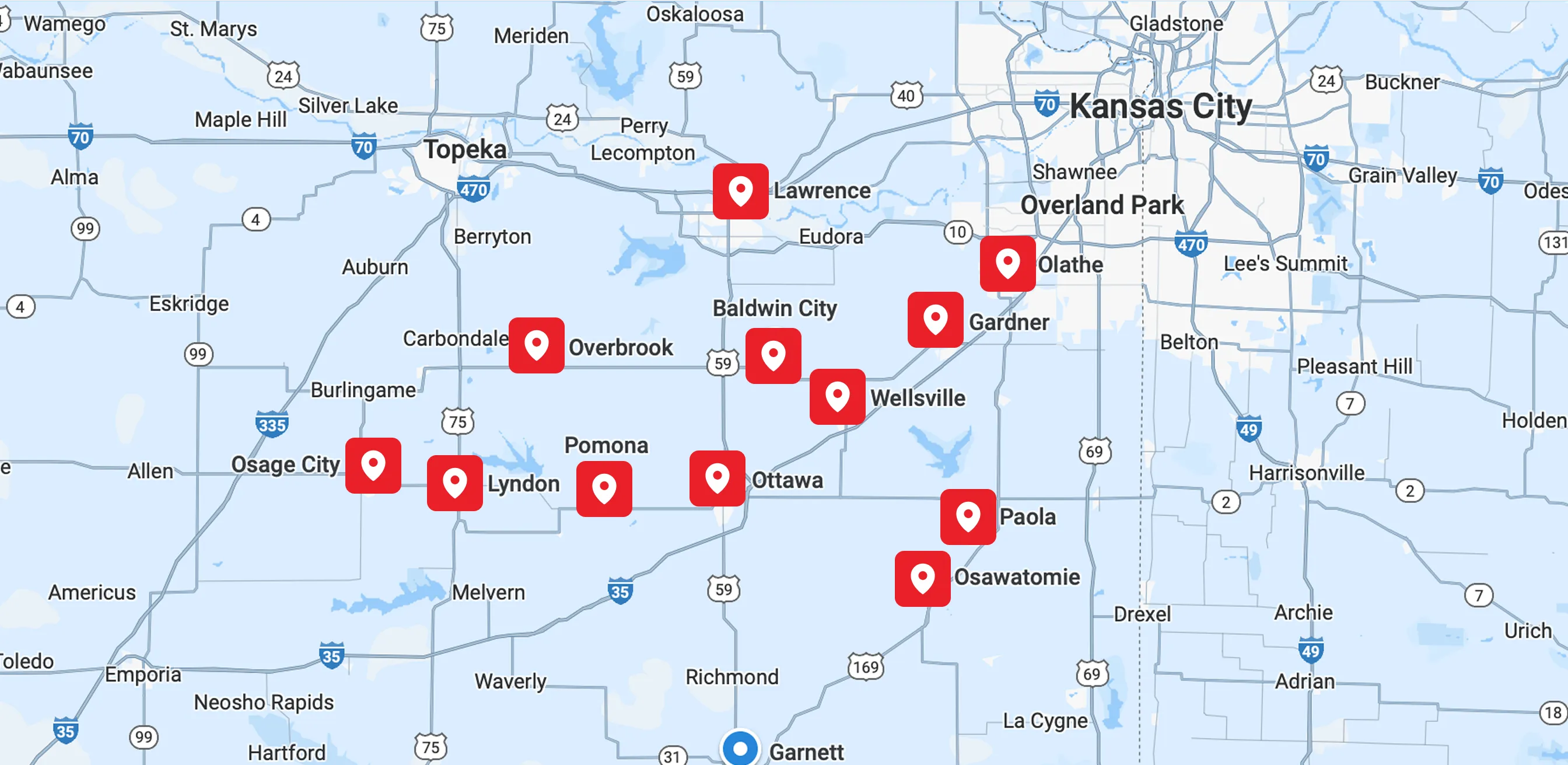
Service Areas