
Mini-Split Inspection in Gardner, KS
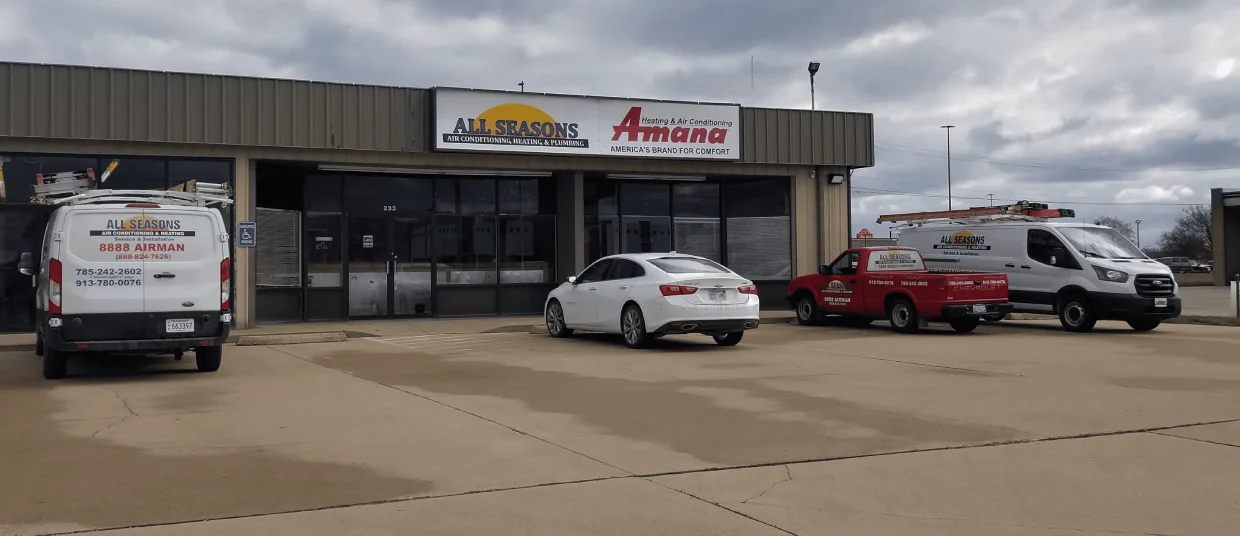
All Seasons Air Conditioning and Heating outlines a comprehensive mini-split inspection for Gardner, KS homeowners and buyers. We explain why inspections matter in hot summers and cold winters, list common issues like refrigerant leaks, dirty coils, restricted airflow, and electrical faults, and detail what the inspection covers from visual checks and leak detection to performance testing and IAQ assessment. We also describe the written report, typical repairs, and maintenance guidance, and emphasize preventing breakdowns, preserving warranties, and improving comfort and efficiency.

Mini-Split Inspection in Gardner, KS
A thorough mini-split inspection in Gardner, KS protects comfort, energy bills, and indoor air quality for homeowners and buyers alike. Whether you have a ductless heat pump serving an addition, a zoned system for upstairs bedrooms, or you’re evaluating a property before purchase or sale, a detailed inspection finds hidden problems early—refrigerant leaks, electrical faults, poor airflow, or components nearing failure—so you can make informed decisions about repairs, replacement, or negotiation.
Why a mini-split inspection matters in Gardner, KS
Gardner’s hot, humid summers and cold winters place year-round demands on mini-split systems. High humidity and seasonal pollen from surrounding agriculture and trees increase the risk of coil fouling and clogged filters. Freeze-thaw cycles and storm-driven power surges can stress electrical components. For these reasons, mini-split inspection in Gardner, KS is particularly valuable for:
- Ensuring efficient cooling through humid summers
- Confirming reliable heating performance in winter
- Detecting refrigerant issues that reduce efficiency and damage compressors
- Identifying indoor air quality impacts from dirty components or improper drainage
Common mini-split issues in Gardner, KS homes
- Low refrigerant levels or hidden refrigerant leaks
- Dirty evaporator or condenser coils from pollen and airborne debris
- Restricted airflow from clogged filters or obstructed indoor units
- Faulty electrical connections, worn capacitors, or damaged control boards
- Clogged condensate drains causing water intrusion or mold risk
- Poor line set insulation and corrosion on outdoor units exposed to storms
- Improper installation or sizing that limits performance or causes short-cycling
What a complete mini-split inspection includes
A professional mini-split inspection follows a systematic checklist to evaluate safety, performance, and long-term reliability. Typical inspection items:
- Visual inspection of indoor and outdoor units for physical damage, corrosion, or debris
- Refrigerant leak detection using electronic leak detectors and pressure checks
- System performance testing: temperature split, airflow, and capacity verification
- Electrical safety checks: voltage, amp draw, wiring integrity, and control operation
- Compressor and fan motor diagnostic testing and vibration checks
- Condensate drain and pan inspection; verification of proper drainage and trap
- Line set and insulation assessment to prevent thermal loss and condensation
- Thermostat/remote control operation and sensor calibration
- Indoor air quality assessment: filter condition, presence of mold/mildew, and ventilation impacts
- Review of maintenance history, refrigerant type, and compliance with manufacturer guidelines
How inspectors diagnose problems
Inspectors use a mix of visual checks, instruments, and operational tests to pinpoint issues simply and reliably:
What you get in the written inspection report
After the inspection, you receive a clear, itemized written report tailored for homeowners, buyers, or real estate transactions. A typical report includes:
- Executive summary of system condition and overall safety
- Detailed findings with photos of issues (if present)
- Measured performance data: temperature split, pressures, electrical readings
- Prioritized recommendations: immediate safety repairs, recommended efficiency upgrades, and long-term maintenance items
- Estimated life-expectancy considerations for major components
- Notes on code or manufacturer compliance concerns relevant to warranties and resale
Recommended repairs and upgrades commonly found
- Sealing and repairing refrigerant leaks and restoring correct charge
- Replacing worn capacitors, contactors, or control boards to prevent failures
- Cleaning or replacing filters and professionally cleaning coils for peak efficiency
- Fixing or replacing damaged line set insulation and securing connections
- Unclogging condensate drains and treating pans to prevent microbial growth
- Upgrading to high-MERV filters or adding UV/HEPA options when IAQ is a concern
- Installing surge protection or dedicated circuits for sensitive systems
Benefits of scheduling an inspection now
A proactive mini-split inspection prevents costly breakdowns during Gardner’s peak seasons, preserves system warranty compliance, improves comfort and efficiency, and documents system condition for buyers or sellers. For properties changing hands, a clear pre-purchase or pre-sale inspection report reduces risk and helps set realistic negotiation expectations.
Maintenance advice to extend system life
- Replace or clean filters every 1–3 months depending on use and pollen load
- Keep outdoor units clear of debris, vegetation, and snow buildup
- Schedule full professional inspections annually—before summer and before winter—so coils, refrigerant levels, and electrical components are checked under load
- Address even minor refrigerant or electrical anomalies promptly to avoid compressor failure
- Ensure line set insulation is intact and the indoor unit condensate path remains unobstructed
Scheduling information and what to prepare
Inspections typically take 60–90 minutes per system depending on size and complexity. For accurate testing, the system should be powered and set to cooling or heating as appropriate before the appointment. Ideal preparation includes:
- Clearing access to indoor heads and outdoor units
- Sharing maintenance history, service records, or warranty documents if available
- Noting any recent performance changes, noises, or water issues observed
A full, professional mini-split inspection in Gardner, KS gives you documented peace of mind: a clear picture of current condition, safety status, and realistic recommendations for repairs or upgrades that protect comfort and property value in local climate conditions.
Customer Testimonials
Service Areas