
Whole House Dehumidifiers in Garnett, KS
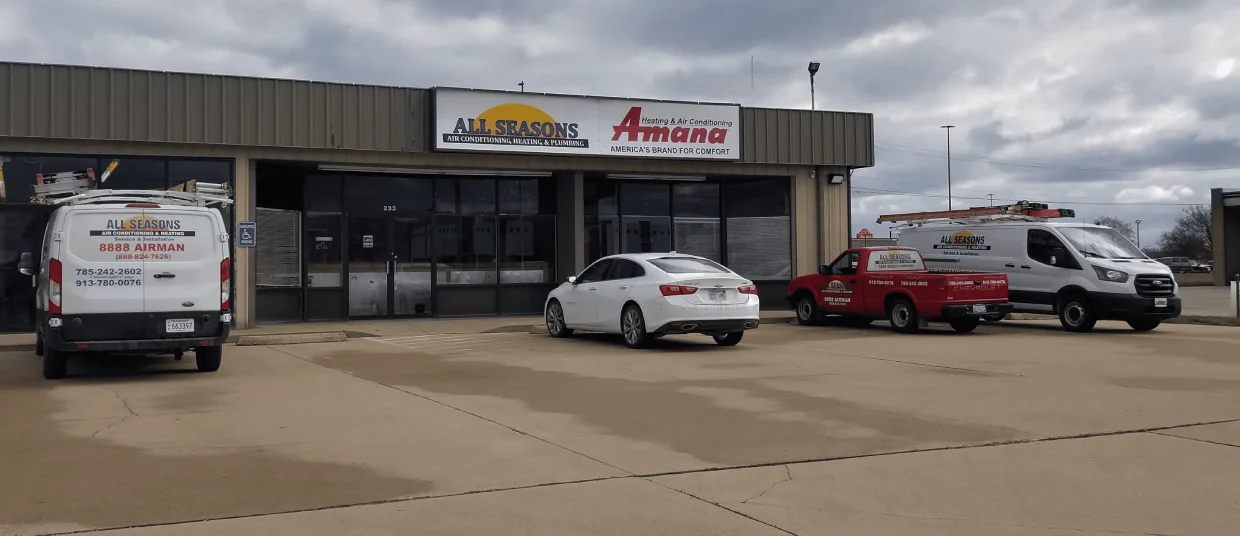
Whole-house dehumidification in Garnett, KS from All Seasons Air Conditioning and Heating offers a controlled, long-term solution to excess moisture, mold risk, and comfort issues. Our guide explains why homes need humidity management, the common moisture problems, and how integrated dehumidifiers work with existing HVAC systems. We cover capacity sizing, drain options, and professional installation steps, including on-site assessment, equipment selection, wiring, and condensate management. We also outline maintenance practices, recommended humidity targets of 40–50%, energy considerations, warranties, and scheduling guidance for reliable performance.
.webp)
Whole House Dehumidifiers in Garnett, KS
Excess indoor humidity is one of the most common comfort and health problems in Garnett, KS. Hot, muggy summers and seasonal storms push moisture into basements, crawlspaces, and living areas, creating ideal conditions for mold, mildew, dust mites, and allergy triggers. A professionally installed whole-house dehumidifier protects building materials and finishes, improves sleep and breathing, and makes your HVAC system work more efficiently by removing the moisture your air conditioner must otherwise fight.
Why Garnett homes need whole-house dehumidification
- Mold and mildew prevention: Garages, basements, and poorly ventilated bathrooms in older Garnett houses are vulnerable to visible and hidden mold growth. Controlling humidity keeps spores from taking hold.
- Allergy and respiratory relief: Lowering indoor relative humidity reduces dust mite populations and volatile organic compound concentrations, helping occupants with allergies or asthma.
- Protects home structure and contents: Wood floors, trim, furniture, and stored items suffer warping and decay when humidity stays high for long periods.
- Improved comfort and perceived cooling: At the same thermostat setting, lower humidity feels cooler. That reduces reliance on lower temperature settings and can cut cooling runtime.
Common whole-house moisture problems in Garnett, KS
- Basements and crawlspaces that feel damp after heavy rains or during July–August humidity spikes.
- Condensation on windows in spring and fall when outdoor temps fluctuate.
- Musty odors in closets, basements, or rooms above attached garages.
- High indoor humidity despite a working air conditioner — the AC cools air but may not remove enough moisture on hot, humid days.
- Mold on drywall, behind cabinets, or on painted surfaces in bathrooms and laundry rooms.
Types of whole-house dehumidifiers and how they integrate with existing HVAC
- Ducted (in-line) whole-house dehumidifiers: Installed in the HVAC return or plenum, these connect to your home’s ductwork to treat the entire house evenly. They work well when your central air system already has balanced ducts and adequate airflow.
- Packaged or closet-mounted units: Installed near the air handler or in a mechanical closet, these provide high capacity without major ductwork changes.
- Refrigerant (compressor) dehumidifiers vs. desiccant systems: Refrigerant (the most common residential choice) condenses moisture from the air and is efficient in warm conditions. Desiccant systems use moisture-absorbing media and perform better in cooler environments but are less common for typical Garnett homes.
- Controls and integration: Whole-house units work with a dedicated humidistat or can integrate with your thermostat/HVAC controls to run only when necessary, maintaining the set humidity automatically.
Capacity sizing (pints per day) and drain options
- Capacity is rated in pints per day (ppd). Typical residential options range from 30–90+ pints/day. Sizing depends on:
- Square footage and ceiling height
- Number of occupants and moisture-generating activities (laundry, showers, cooking)
- Condition of basement/crawlspace and overall home envelope tightness
- Local climate: Garnett’s humid summers often require higher capacity than drier regions
- Rough guidelines:
- Small, sealed homes or condos: 30–50 ppd
- Average single-family homes (moderately humid): 50–70 ppd
- Large homes, basements, or persistently damp houses: 70–90+ ppd
- Drain options:
- Gravity drain to a floor drain or sump (preferred when elevation allows)
- Condensate pump when gravity drain is not possible
- Tie-in to existing HVAC condensate line or household plumbing with appropriate backflow prevention and trap
What to expect from professional installation
Maintenance needs and common service items
- Filter care: Replace or clean the unit filter on the schedule recommended by the manufacturer — typically every 1–3 months depending on use and indoor air quality.
- Coil and drain cleaning: Annual inspection and cleaning of coils and condensate lines prevents clogs and microbial growth. A blocked drain is the most common reason for service calls.
- Float switch and pump checks: If a condensate pump is used, verify operation and clear debris. Float switches prevent flooding when drains back up.
- Seasonal checks: Technicians will verify operation, check refrigerant levels (for compressor models), and ensure controls and wiring are secure.
- Signs you need service: Excessive cycling, unusual noises, persistent high humidity, or visible leaks around the unit.
Recommended humidity setpoints and energy considerations
- Target indoor relative humidity: 40–50% for most Garnett homes. This level controls mold and dust mites while avoiding overly dry air.
- Avoid dropping below 30%: Too low humidity can cause respiratory irritation, cracked wood trim, and static electricity.
- Energy considerations:
- Whole-house dehumidifiers add electrical load but often reduce AC runtime by removing moisture more efficiently.
- Choose energy-efficient models with higher energy factor (pints removed per kWh) and variable-speed or ECM components to save operating costs.
- Smart controls and integration with the HVAC system minimize runtime by coordinating dehumidification with cooling cycles and outdoor conditions.
Warranties, maintenance plans, and scheduling service
- Typical warranties: Manufacturer coverage often includes 1–5 years on parts and longer for compressors in some models. Installation warranties vary by installer and should be reviewed before purchase.
- Maintenance plans: Annual or biannual service plans commonly cover filter changes, coil cleaning, condensate inspection, and priority scheduling. A plan helps maintain performance and extends equipment life while reducing unexpected repair costs.
- What scheduling service looks like: A professional assessment visit is followed by a written recommendation for capacity, placement, and timeline. Installations commonly take a half to a full day depending on complexity and whether duct modifications or condensate pumps are required.
Whole-house dehumidification is a targeted, long-term solution for Garnett homeowners who want to protect their property, improve indoor comfort, and reduce allergy triggers. With proper sizing, integration, and routine maintenance, a whole-house dehumidifier becomes a quiet, efficient part of the home comfort system that pays dividends in health and preservation of your home.
Customer Testimonials
Service Areas