Ventilation in Garnett, KS
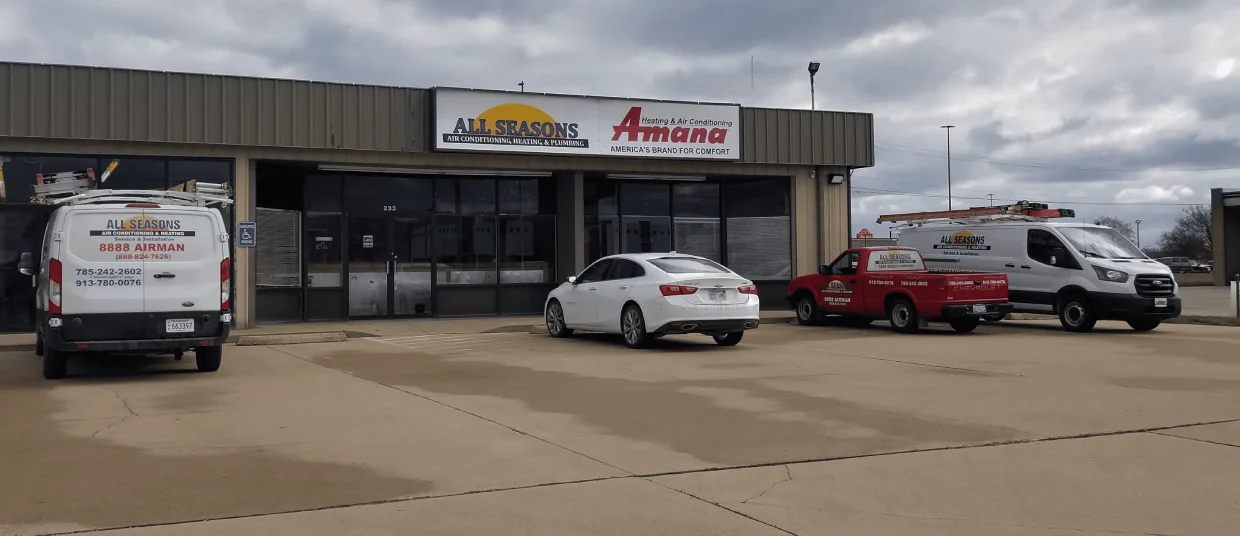
Ventilation services in Garnett, KS from All Seasons Air Conditioning and Heating effectively address indoor air quality and comfort through balanced systems, exhaust upgrades, and duct improvements, all tailored to local homes. Our diagnostic process skillfully identifies root causes such as leaks, humidity imbalances, and pressure issues, guiding us in equipment selection like ERV and HRV units, high-efficiency exhaust fans, and crucial duct sealing. Installations emphasize proper exterior penetrations and safe operation, followed by thorough commissioning to verify airflow and significant IAQ improvements. Regular maintenance from All Seasons Air Conditioning and Heating sustains performance, reduces energy use, and prolongs system life for Garnett households.
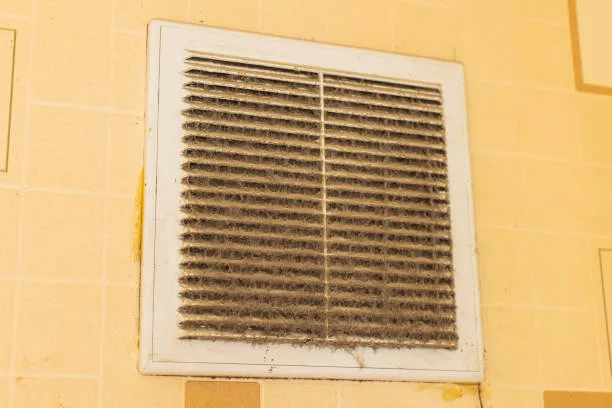
Ventilation in Garnett, KS
Good indoor ventilation matters in Garnett, KS where hot, humid summers, cold winters, seasonal pollen and farm dust can all affect indoor air quality and comfort. Proper ventilation reduces odors, controls humidity, limits dust and allergens, and helps HVAC systems run more efficiently. This page explains the ventilation services commonly delivered in Garnett homes — balanced ventilation systems, exhaust upgrades, and duct improvements — and lays out the diagnostic process, recommended equipment, installation and commissioning steps, expected results, and typical maintenance options.
Common ventilation problems in Garnett homes
- Stale indoor air, lingering cooking or pet odors, and elevated indoor pollutants after long, sealed winters
- High relative humidity in summer causing condensation, musty smells and mold risk in basements and attics
- Excessive dust, pollen and agricultural particulates entering older or leaky homes near rural roads and fields
- Uneven ventilation and pressure imbalances that pull outdoor air through gaps or push warm air into attics
- Inadequate exhaust in kitchens and bathrooms causing moisture buildup and poor comfort
- Leaky, uninsulated ductwork that loses conditioned air and introduces contaminants into living spaces
Types of ventilation services offered
- Balanced ventilation systems (ERV/HRV): Energy Recovery Ventilators and Heat Recovery Ventilators deliver controlled fresh air while exchanging heat and, for ERVs, moisture between incoming and outgoing air. Ideal for modern, well-sealed Garnett homes to improve IAQ without large energy penalties.
- Exhaust upgrades: High-efficiency, code-compliant bathroom and kitchen exhaust fans, properly vented to the exterior (not to attics), to remove moisture and odors at the source.
- Duct improvements: Duct sealing (mastic or aerosol), insulation, layout corrections, balancing dampers, and targeted repairs to reduce leaks, improve airflow and prevent cross-contamination.
- Whole-home ventilation strategies: Combining supply, exhaust and balanced approaches to address specific house tightness, occupancy and moisture patterns typical of local housing stock.
Diagnostic process: what we check and why
A thorough diagnostic identifies the root causes before recommending equipment. Typical steps include:
These diagnostics shape the recommendation: whether a balanced ERV/HRV makes sense, or targeted exhaust and duct work will solve the problem more cost-effectively.
Recommended equipment and solutions explained
- ERV (Energy Recovery Ventilator): Best when humidity control matters in both summer and winter. ERVs transfer a portion of moisture between exhaust and intake air, easing load on air conditioners during humid months.
- HRV (Heat Recovery Ventilator): Focuses on sensible heat transfer, useful in colder climates to retain heat during winter ventilation.
- High-efficiency exhaust fans: Replace undersized or noisy fans with units sized to the kitchen/bath and routed directly outdoors. Include humidity-sensing or timer options to ensure adequate runtime.
- Duct sealing and insulation: Mastic, foil tape and aerosol-sealing methods dramatically reduce leakage. Insulating ducts in unconditioned spaces preserves conditioned air and prevents condensation.
- Airflow balancing: Adjusting registers and adding balancing dampers to ensure even distribution and prevent pressure-driven infiltration.
Installation and commissioning: what to expect
- Equipment selection based on diagnostic results and home layout with careful sizing for airflow and energy impacts.
- Professional installation includes proper exterior penetration, rot-proof flashing, backdraft prevention, and routing intakes away from pollutant sources (e.g., driveways, barns).
- Commissioning involves measuring and adjusting airflow rates, setting control sequences (including timers, humidity/CO2 sensors, or demand-controlled ventilation), and testing for occupant safety where combustion appliances are present.
- Technicians will document pre- and post-installation airflow and IAQ readings so improvements are measurable.
Expected improvements to indoor air quality and energy efficiency
- Fresher indoor air with lower concentrations of CO2, VOCs and allergens. Balanced systems provide continuous, filtered ventilation without large heat loss.
- Better humidity control reducing condensation, mold growth risk and musty odors common in humid summers and cold-season sealing.
- Reduced dust and pollen infiltration resulting in cleaner HVAC filters and surfaces — especially noticeable in rural and agricultural seasons.
- Improved comfort and more consistent heating and cooling due to sealed and balanced ducts, often translating to lower energy use by reducing wasted conditioned air.
Maintenance packages and recommended care
- Regular maintenance sustains performance: core items include filter replacement, cleaning ERV/HRV cores, checking drain lines, verifying fan operation and retesting airflow annually or biannually.
- Typical maintenance plans include scheduled inspections in spring and fall to prepare for seasonal extremes, seasonal filter swaps (standard and higher-MERV options available), and priority diagnostic testing for performance drift.
- Duct inspections every 3–5 years, or sooner if changes are noticed, help catch new leaks, pest intrusion or insulation degradation.
Customer Testimonials
Service Areas