Ventilation in Wellsville, KS
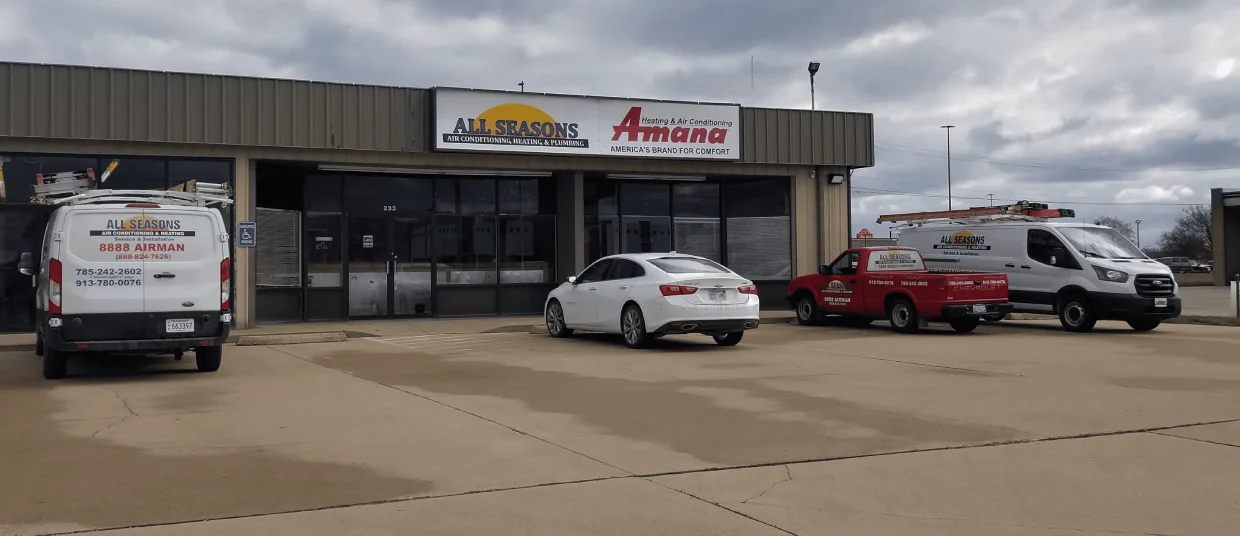
All Seasons Air Conditioning and Heating offers comprehensive ventilation strategies for Wellsville homes, explaining how to significantly improve indoor air quality and comfort through ERV/HRV, balanced ventilation, attic exhaust, and localized exhaust, all tailored to your building's tightness and local climate. We outline our thorough evaluation process, precise sizing, detailed installation steps, and rigorous testing, plus the expected energy impacts and ongoing maintenance requirements. Homeowners will learn how proper ventilation effectively reduces humidity, controls pollutants, lowers allergy triggers, and preserves system efficiency, with our expert guidance on selecting the right solution for long-term performance and enhanced indoor comfort.
Ventilation in Wellsville, KS
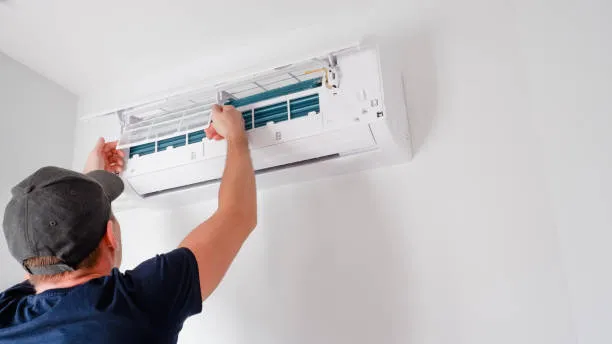
Proper ventilation is one of the most effective ways to improve indoor air quality, control moisture, and protect your home’s long term comfort and efficiency. In Wellsville, KS, where hot humid summers, cold winters, seasonal pollen and agricultural dust are common, a tailored ventilation strategy makes a measurable difference in health, comfort, and energy performance. This page explains the ventilation options available, how systems are evaluated and sized, what to expect during installation and testing, likely energy impacts, maintenance needs, and typical warranty support.
Why ventilation matters in Wellsville homes
Wellsville’s climate and local conditions create two main indoor air quality challenges:
- Summer humidity and pollen: High humidity and abundant pollen create mold and allergy triggers when indoor ventilation is inadequate.
- Cold winters and airtighting: Weatherization and tighter building envelopes reduce drafts but trap pollutants, requiring controlled ventilation to maintain healthy air.
Proper ventilation addresses both by removing excess moisture, diluting pollutants and odors, and supplying filtered outdoor air in a controlled, energy-conscious way.
Ventilation options and when each makes sense
- ERV (Energy Recovery Ventilator) / HRV (Heat Recovery Ventilator)
- Best for whole-house, year-round ventilation in homes that are relatively tight.
- HRV transfers heat between incoming and outgoing air and is ideal where humidity control is handled separately. ERV transfers sensible heat and some moisture, helping manage humidity in humid summers while preserving warmth in winter.
- Typical benefits: continuous fresh air, lower humidity swings, reduced pollen and dust entry when paired with filters.
- Balanced ventilation (mechanical supply and exhaust)
- Uses matched supply and exhaust fans to maintain neutral pressure and consistent airflow. Appropriate where indoor pollutant sources are distributed or when avoiding backdrafting of combustion appliances is critical.
- Attic ventilation
- Passive vents (ridge, soffit) combined with powered attic exhaust fans can lower attic temperatures in summer, reducing cooling load and extending roof and insulation life. In winter, balanced ventilation helps manage moisture that can lead to ice damming.
- Bathroom and localized exhaust
- High-impact, low-cost solution for removing moisture at the source. Effective for preventing mold and paint damage in bathrooms, kitchens, and laundry areas.
Common ventilation problems in Wellsville and recommended approaches
- Persistent indoor humidity and musty odors: ERV or targeted exhaust with dehumidification.
- Allergy symptoms during spring/fall: ERV with MERV-rated filtration or upgraded supply filters.
- High attic temperatures and spiking cooling bills: improved attic ventilation and attic exhaust fans.
- Backdrafting or combustion air concerns: balanced ventilation or makeup air solutions to protect combustion appliance vents.
Evaluation and sizing process
A professional ventilation evaluation includes:
Typical installation and testing procedures
- Installers route ducting for supply and exhaust with insulated ductwork where needed to prevent condensation. For ERV/HRV units, intake and exhaust terminations are positioned to avoid cross-contamination (usually opposite sides of the house or higher elevation).
- Electrical connections and control wiring are installed; units are commonly integrated with HVAC thermostats or run on their own timers and humidity/CO2 sensors.
- Commissioning and testing typically include:
- Measuring delivered airflow with a flow hood or anemometer to confirm target cfm.
- Verifying pressure balance to avoid backdrafting or negative pressure.
- Checking filter installation, condensate drains (if required), and controls.
- Conducting humidity and CO2 spot checks to document baseline conditions and verify improvements.
Installation disruption is usually limited to a few hours to a day for most systems; attic or whole-house installs may require additional access points and time.
Expected energy impacts and comfort benefits
- Energy impacts: ERV and HRV units recover a significant portion of temperature energy from exhaust air. In Wellsville conditions, recovery efficiencies commonly preserve 50 to 80 percent of sensible heat, reducing the extra heating or cooling load created by bringing in outdoor air. Balanced ventilation may slightly increase heating or cooling demand when outdoor air is extreme, but the net effect is healthier indoor conditions and often lower overall HVAC strain due to better humidity control and lower indoor pollutant loads.
- Comfort benefits: Reduced humidity swings, fewer allergy triggers, more even temperature distribution, reduced odors and stale air, and cooler attics that help lower indoor cooling loads.
Recommended maintenance intervals
- Filters: Inspect every 1 to 3 months; replace or clean per manufacturer's guidance. Using higher-rated filters can improve IAQ but may require larger fan capacity.
- ERV/HRV core: Clean every 6 to 12 months to maintain transfer efficiency and airflow.
- Fans and motors: Annual inspection to lubricate bearings (if applicable), check belts and electrical connections.
- Bathroom and attic fans: Annual cleaning and testing to remove dust and verify proper operation.
- Duct connections and terminations: Inspect annually for blockages, insect nests or damage.
Proper maintenance preserves performance, extends equipment life and helps maintain any warranty coverage.
Warranty and support considerations
Most ventilator units come with manufacturer warranties on major components and motor assemblies. Installation workmanship is typically covered by an installer’s workmanship warranty for a defined period. When selecting equipment, note:
- Length and coverage of the motor and core warranty.
- Conditions that affect warranty validity such as regular maintenance and correct installation practices.
- Options for extended service agreements or maintenance plans that help keep equipment in warranty-compliant condition.
Regular documented maintenance not only sustains performance but also supports warranty claims if issues arise.
Final notes on choosing the right system
Selecting the right ventilation strategy for a Wellsville home depends on house tightness, family health needs, and local seasonal conditions. ERV/HRV systems provide the best year-round balance for tight, well-insulated homes. Localized exhaust is a cost-effective fix for moisture problems, and attic ventilation delivers measurable cooling benefits during hot summers. A professional evaluation that measures your home’s needs and balances IAQ goals with energy impacts will yield the best long-term results.
Customer Testimonials
Service Areas