Ventilation in Pomona, KS
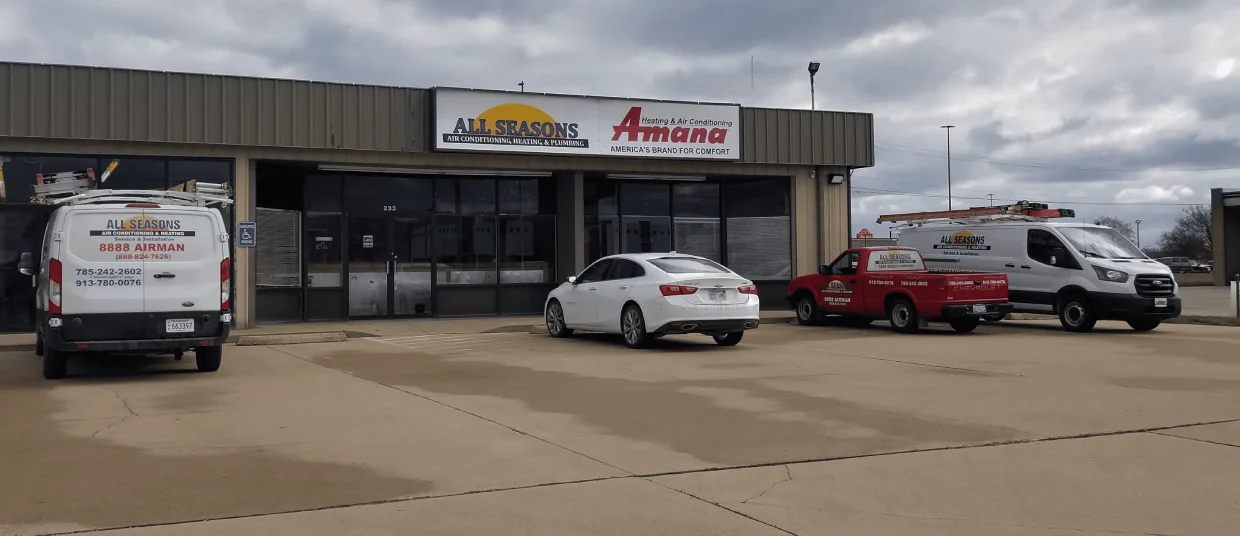
Ventilation in Pomona, KS from All Seasons Air Conditioning and Heating focuses on improving indoor air quality and comfort through a thorough evaluation, tailored solution selection (ERV/HRV, exhaust, or hybrid), precise installation, and rigorous performance testing. Our approach begins with baseline IAQ measurements and comprehensive duct inspections, then we recommend a balanced system or targeted exhaust to perfectly match your home. We emphasize energy efficiency, demand control, and regular maintenance to sustain optimal airflow, reduce moisture risks, and protect occupants throughout Pomona's seasons. This thoughtful approach supports healthier homes with long-term cost savings.
Ventilation in Pomona, KS
Proper ventilation is one of the most important — and often overlooked — elements of a healthy, comfortable home in Pomona, KS. Between humid summers, cold winters that encourage tightly sealed homes, seasonal pollen and dust from nearby agricultural areas, and lakeside humidity around Pomona Lake, many local homes experience high indoor humidity, lingering odors, stale air, and elevated allergen or pollutant levels. Our ventilation approach begins with a focused indoor air quality evaluation and moves through tailored recommendations (ERV/HRV, exhaust, or hybrid systems), professional installation, performance testing, and ongoing maintenance to keep your home breathing right year-round.
Common ventilation issues in Pomona, KS homes
- High indoor humidity and mold risk — summer humidity plus lake effects can lead to condensation and mildew, especially in basements and crawlspaces.
- Stale air and odors — tightly built or recently weatherized homes can trap cooking and pet odors, VOCs, and stale air.
- Excessive dust, pollen, and agricultural particulates — rural and semi-rural properties often see higher particulate infiltration.
- Bathroom and kitchen moisture problems — inadequate localized exhaust leads to fogged mirrors, peeling paint, and mildew.
- Imbalanced airflow and pressure — improperly balanced systems pull unconditioned air through leaks, bringing dust and outdoor humidity indoors.
- Backdrafting or combustion safety concerns — poor ventilation can create negative pressure that affects gas appliances and fireplaces.
How we evaluate indoor air quality
A clear diagnosis is the foundation of an effective ventilation plan. Our evaluation focuses on measurable conditions and visual inspection:
- Baseline measurements: temperature, relative humidity, and CO2 levels to assess occupancy-driven ventilation needs.
- Particulate assessment: spot checks for dust, pollen, and PM2.5 where occupants report allergy or asthma symptoms.
- Combustion safety checks: testing for carbon monoxide and verifying safe venting of gas appliances.
- Duct and envelope inspection: visual and pressure-based inspections to find leaks, blocked returns, or poor return placement.
- Occupant usage review: how many people live in the home, typical schedules, and areas of concern such as finished basements or frequently used wood stoves.
These findings guide whether a whole-house balanced system (ERV/HRV), targeted exhausts, or a hybrid approach is right for your Pomona home.
ERV, HRV, exhaust, and hybrid solutions — what we recommend and why
- ERV (Energy Recovery Ventilator): transfers both heat and moisture between incoming and outgoing air. In Pomona’s humid summers and cold winters, an ERV often helps control indoor humidity while recovering energy, reducing the load on your AC in summer and on heating in winter. Best for homes with moderate humidity concerns and balanced ventilation needs.
- HRV (Heat Recovery Ventilator): transfers heat but not moisture. HRVs are effective in very cold, dry climates; in Pomona, HRVs are recommended for homes where winter drying is desired or where indoor humidity is already low.
- Exhaust-focused systems: powerful bath and kitchen exhausts or spot ventilation solve localized moisture and odor problems quickly and economically. Ideal where whole-house intake is unnecessary or where retrofitting a balanced system is impractical.
- Hybrid systems and demand control: combining exhaust fans with controlled intake or using CO2/humidity sensors for demand-controlled ventilation keeps energy use low while ensuring air quality when rooms are occupied or moisture levels rise.
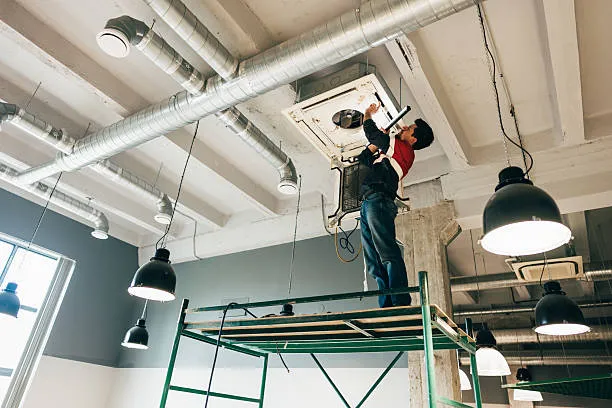
Installation best practices and performance testing
Correct installation is crucial for reliable ventilation performance and energy efficiency:
- Proper sizing and duct design: ventilation equipment is matched to your home’s volume and occupancy; duct runs are kept short and insulated where needed.
- Duct sealing and insulation: all supply and return ductwork is sealed to minimize leakage and conditioned air loss.
- Balanced airflow and commissioning: after install, we measure supply and exhaust volumes (CFM) and adjust to meet recommended ventilation rates for the home.
- Performance verification: tests include airflow measurements, pressure differentials to avoid backdrafting, and heat/moisture transfer verification for ERV/HRV cores. This ensures the system functions as intended without creating negative pressure or excessive energy use.
Energy considerations and efficient operation
Ventilation adds energy load if not managed carefully. In Pomona homes we recommend:
- Energy recovery ventilation (ERV/HRV) to reclaim heating or cooling energy and reduce runtime.
- Variable-speed fans and controls to scale ventilation to actual need rather than running at full capacity constantly.
- Demand-controlled ventilation using CO2 or humidity sensors in high-occupancy spaces to ventilate only when necessary.
- Integration with thermostats and HVAC schedules so ventilation complements heating and cooling rather than working against it.
These measures lower operating costs while maintaining healthier indoor air.
Maintenance agreements and long-term care
A properly maintained ventilation system delivers consistent performance and longevity. Typical program elements include:
- Periodic inspections: check fans, intake/exhaust grilles, and electrical connections.
- Filter changes and core cleaning: ERV/HRV heat-exchange cores need periodic inspection and cleaning; filters should be replaced per manufacturer guidance.
- Seasonal adjustments: changing ventilation rates or settings to match Pomona’s seasonal humidity and occupancy patterns.
- Performance rechecks: scheduled CFM and pressure measurements to catch drift or leaks early.
A maintenance plan keeps energy use predictable and prevents indoor air problems before they affect comfort or structure.
Simple operation tips and troubleshooting
- Run bath and kitchen exhausts during and after use to remove moisture and odors.
- Keep ERV/HRV intake and exhaust grilles clear of debris, ice, or vegetation.
- Watch indoor humidity: sustained humidity above 60% indicates a need for dehumidification or ventilation adjustments.
- If you notice persistent odors, condensation on windows, uneven airflow, or alarms from combustion appliances, check basic items first (filters, closed vents, blocked grilles) and schedule a professional inspection for safety issues.
Customer Testimonials
Service Areas