Air Purification in Pomona, KS
Looking to improve air purification for Pomona, KS homes and businesses? All Seasons Air Conditioning and Heating has an expert guide just for you! We cover common indoor air quality problems, various purifier types (HEPA, activated carbon, UV, ionizers, hybrids), and help you decide between whole-home and portable solutions. We explain installation, sizing, and how to integrate with your existing HVAC, plus maintenance schedules and the expected improvements in particle reduction, odor control, and symptom relief. Our team emphasizes safety, certifications, and choosing trusted brands for lasting, measurable air quality gains.
.webp)
Air Purification in Pomona, KS
Indoor air quality matters for every Pomona home and business. Between seasonal pollen from surrounding fields, dust from agricultural activity, wood smoke from lake-area fireplaces, and humidity-driven mold growth near Pomona Lake, local residents face unique air quality challenges. Proper air purification reduces allergens, odors, fine particles, and some airborne microbes, improving comfort and health for allergy sufferers, people with asthma, and anyone who wants cleaner indoor air. Below is an expert guide to the types of systems, how to choose the right solution for your property, installation and integration options, maintenance expectations, and realistic outcomes you can expect in Pomona, KS.
Common indoor air quality problems in Pomona, KS
- Seasonal pollen and grass allergens in spring and summer
- Fine dust and agricultural particulates from rural activity
- Wood smoke and combustion byproducts in cooler months
- Elevated indoor humidity and potential mold near lakefront or older homes
- Pet dander and household odors in family homes
- Volatile organic compounds from cleaning products, paints, or stored chemicals
Types of air purifiers and what they do
- HEPA filtration: True HEPA filters capture 99.97% of particles down to 0.3 microns under rated conditions. Best for pollen, dust, pet dander, and many fine particles. Ideal for allergy control.
- Activated carbon: Adsorbs odors, VOCs, and some gases. Often paired with HEPA for combined particle and odor control.
- UV germicidal lamps: Inactivate some bacteria, viruses, and mold spores when installed correctly in HVAC systems or dedicated units. UV is most effective as a complement to filtration, not a replacement.
- Electronic air cleaners / ionizers: Use electrostatic precipitation or ionization to remove particles. Some models produce ozone as a byproduct; choose CARB-compliant units if ozone is a concern.
- Hybrid systems: Combine HEPA, activated carbon, UV, and pre-filters to address multiple contaminants.
Whole-home vs portable solutions
- Whole-home (in-duct) purifiers: Integrated with the existing HVAC system to treat air throughout the building. Advantages: consistent coverage, minimal floor space, and centralized maintenance. Best for full-home allergy control and businesses with central HVAC.
- Portable room units: Good for targeted treatment in bedrooms, living areas, or small offices. Advantages: flexibility, lower upfront cost, and immediate placement where needed. Requires selecting the correct CADR or room-size rating.
- Furnace-mounted single-pass filters: Improve filtration during HVAC run cycles but may require higher-performance blowers for more restrictive filters. Good compromise when full in-duct systems are not feasible.
Selecting the right system for your home or business
- Assess the problem: Are symptoms seasonal or constant? Is odor or chemical sensitivity a top concern? Do you need whole-building coverage or room-specific relief?
- Size to space: For portable units, match CADR and recommended room size. For whole-home systems, consider the home’s square footage, HVAC airflow, and desired air changes per hour (ACH). Typical target ACH for meaningful particle reduction is 2 to 6 depending on indoor activity and occupant sensitivity.
- Filtration efficiency: Look for True HEPA, MERV ratings for in-duct filters, and documented CADR values. Avoid devices that rely solely on ozone or unproven technologies.
- Noise and placement: Bedrooms and living rooms need quieter operation. Check decibel ratings and fan speed options.
- Certification and safety: Prefer products with AHAM or CARB compliance, UL listing for electrical safety, and manufacturer documentation on HEPA performance.
Installation and integration with existing HVAC
- Initial assessment: A qualified technician inspects ductwork, returns, and blower capacity, and may perform basic air quality measurements. Older ducts with leaks may reduce whole-home system effectiveness.
- Sizing and selection: For in-duct systems, the purifier must match airflow and static pressure limits of the HVAC system. High-efficiency filters increase resistance; check blower capacity and consider bypass or dedicated air-cleaning modules.
- Installation steps: mount the purifier in the return or supply as specified, install pre-filters and HEPA or carbon modules, wire any controls, and commission the system to verify airflow and operation. For portable units, verify correct placement and ensure plugs meet electrical requirements.
- Commissioning and verification: Post-install checks measure pressure drop across filters, check duct connections, and confirm operational status of UV lamps or electronic cells. Optional particulate testing before and after installation documents improvement.
Routine maintenance and filter replacement schedules
- Pre-filters: Inspect every 1 to 3 months; replace or clean as recommended. Pre-filters extend HEPA and carbon life.
- HEPA filters: Typical replacement every 6 to 12 months depending on use, indoor pollutant load, and manufacturer guidance. Heavy pollen seasons or pets may shorten service life.
- Activated carbon: Replace every 3 to 6 months for odor control; highly dependent on pollutant load.
- UV lamps: Replace annually or as manufacturer recommends to maintain germicidal output.
- Electronic precipitators: Clean collection plates monthly to quarterly.
- Duct cleaning: Consider every 3 to 5 years if ducts are dirty or after significant renovation; verify with a duct inspection.
Expected air quality improvements
- Particle reduction: Properly sized True HEPA systems can remove the vast majority of airborne particles in the treated space, significantly reducing visible dust and common allergens.
- Symptom relief: Many occupants report reduced sneezing, less congestion, fewer asthma triggers, and better sleep when systems are matched to the problem and maintained. Results vary by individual sensitivity and contaminant sources.
- Odor control: Systems with adequate activated carbon reduce cooking, smoke, and chemical odors when changed regularly.
- Measurable changes: Particulate counters and VOC meters can quantify improvements. Typical measurable drops in PM2.5 and allergen counts occur within days to weeks after correct installation.
Brands, certifications, and safety notes
- Reputable options: Common, reliable brands in the market include Honeywell, Carrier, Lennox, Trane, Aprilaire, IQAir, and Blueair. Select units with documented HEPA performance and reliable service support.
- Certifications: Look for AHAM CADR ratings, HEPA-class certification, CARB compliance for low ozone emissions, and UL safety listings. For HVAC-integrated products, check manufacturer compatibility with your furnace or air handler.
- Ozone caution: Avoid devices that intentionally generate ozone for air cleaning. Ozone can irritate lungs and worsen respiratory issues.
Financing and cost considerations
- Equipment and installation costs vary by system type and home complexity. Whole-home solutions typically cost more up front but provide comprehensive coverage and lower ongoing per-square-foot maintenance. Portable units offer lower initial cost but require multiple units to cover larger homes. Manufacturers and contractors commonly offer financing programs to spread costs over time.
Final notes for Pomona homeowners and businesses
In Pomona, KS, the combination of seasonal pollen, rural dust, wood smoke, and humid conditions near local water bodies makes targeted air purification especially valuable. Choosing the right solution starts with identifying primary pollutants, selecting appropriate technology (HEPA plus carbon for most homes), and committing to a maintenance schedule. Properly installed and maintained systems bring measurable improvements in comfort, odor control, and respiratory symptom relief for residents and employees.
If long-term indoor air quality is a priority, consider a professional assessment to match a system to your HVAC setup and occupancy. Proper sizing, certified equipment, and regular maintenance are the keys to reliable, lasting results in Pomona homes and businesses.
Customer Testimonials
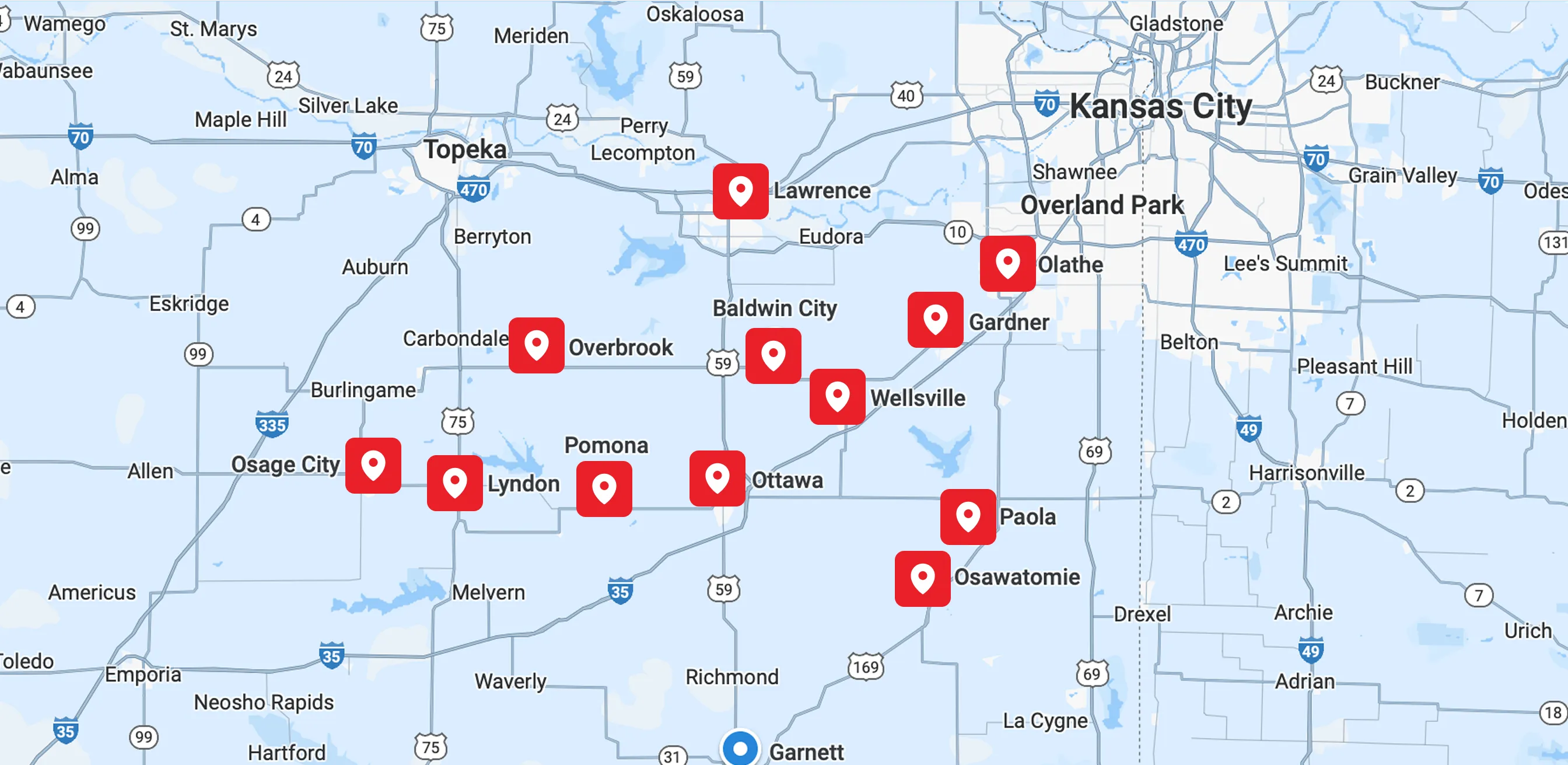
Service Areas