Ventilation in Lawrence, KS
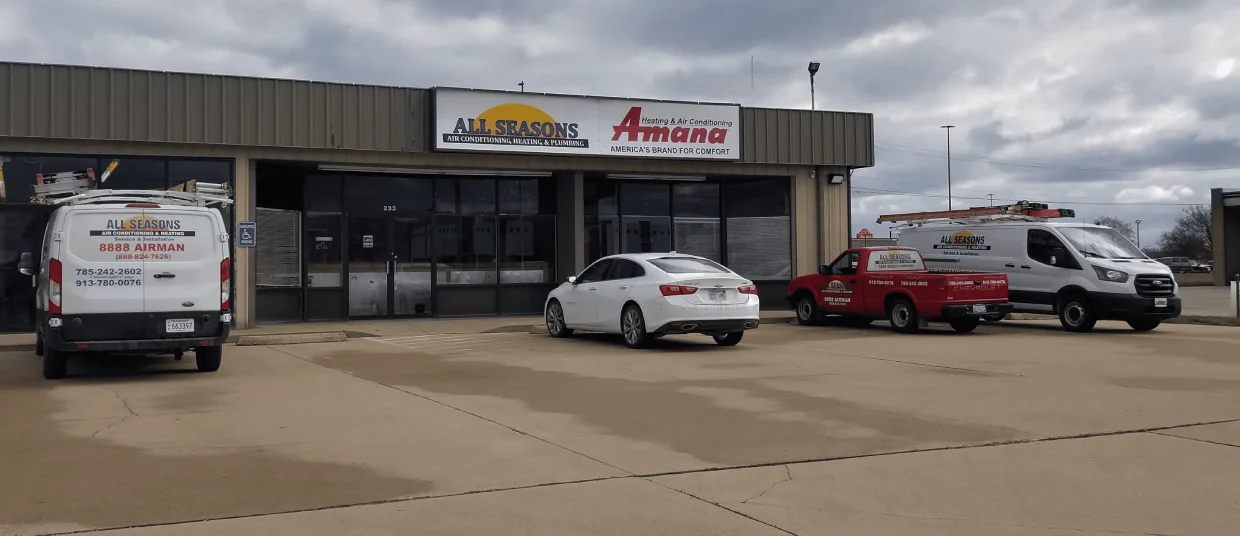
Lawrence, KS homes truly benefit from targeted ventilation upgrades that significantly improve indoor air quality, comfort, and energy efficiency. All Seasons Air Conditioning and Heating can help you understand when it's time to upgrade, explaining the various types of ventilation services available—from ERV/HRV installation to attic and kitchen exhaust and expert duct balancing. Our technicians skillfully size systems using your home's volume, occupancy, and local climate data. We cover installation best practices, crucial ongoing maintenance, and how we verify code compliance and performance, ensuring you understand the selection, installation, and long-term care needed for reliable, healthy fresh air in your home.
Ventilation in Lawrence, KS
Quality home ventilation is one of the most effective ways to protect indoor air quality, control humidity, and improve comfort year round in Lawrence, KS. With hot, humid summers and cold winters that can produce condensation and ice dam risk, Lawrence homes often need targeted ventilation upgrades like ERV/HRV systems, attic and kitchen/bath exhaust, and professional duct balancing. This page explains when to upgrade, how systems are selected and sized, installation best practices, energy and IAQ benefits, maintenance recommendations, and how technicians verify code compliance and system performance.
When your Lawrence home needs a ventilation upgrade
Consider a ventilation upgrade if you notice any of the following signs:
- Persistent musty or stale indoor odors, or visible mold and mildew on walls or windows.
- Frequent condensation on windows in winter or dampness in basements and crawl spaces.
- High allergy symptoms or lingering cooking and pet odors after ventilation.
- Uneven temperatures, rooms that are always stuffy, or chronic indoor humidity above 50 percent during summer.
- Recent air sealing or insulation work that made the home tighter and reduced natural air exchange.
- Recurring ice dams on the roof, which can be related to poor attic ventilation and insulation.
In Lawrence, seasonal pollen and summer humidity make mechanical ventilation especially valuable for managing outdoor pollutant entry and indoor moisture levels.
Types of ventilation services and how they help
- ERV and HRV installation: Energy recovery ventilators (ERVs) and heat recovery ventilators (HRVs) bring fresh outdoor air in while transferring heat and, in the case of ERVs, some moisture between incoming and outgoing airstreams. ERVs are often preferred in Lawrence because they moderate humidity in humid summers while still providing heat recovery in winter. HRVs are an option where humidity control is less of a concern.
- Attic ventilation solutions: Proper attic ventilation (intake at soffits and exhaust at ridges or roof vents) prevents excess heat buildup in summer and reduces moisture accumulation in winter, lowering ice dam risk.
- Kitchen and bath exhaust systems: High-capacity, properly ducted exhaust fans remove moisture and odors at the source. Range hoods with exterior venting reduce grease and cooking byproducts that settle in ducts and surfaces.
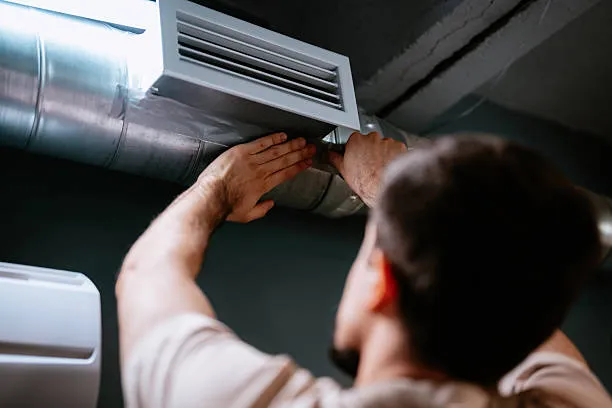
- Duct balancing and airflow tuning: Adjusting dampers, registers, and, when needed, modifying ductwork to achieve correct airflow to each room improves comfort and system efficiency.
- Whole-house ventilation integration: Combining an ERV/HRV with existing HVAC and exhaust systems gives controlled, continuous fresh air while keeping energy use low.
Selection and sizing: what technicians consider
Sizing ventilation correctly is critical to performance and energy efficiency. Technicians calculate required airflow using the home’s volume, occupancy, and common guidelines for ventilation rates (for example, CFM per occupant or air changes per hour). Key inputs include:
- Square footage and ceiling height to determine home volume.
- Number of bedrooms/occupants for continuous ventilation loads.
- Local climate factors: Lawrence’s humid summers and cold winters influence whether an ERV or HRV is the better choice.
- Existing HVAC capacity and duct layout to ensure integration without overloading equipment.
- Intended operation mode: continuous low-rate ventilation versus intermittent higher-rate exhaust (bath/kitchen demand).
Proper sizing avoids under-ventilating (poor IAQ) and over-ventilating (excess energy use and humidity problems).
Installation best practices for reliable performance
- Strategic placement: Supply and exhaust terminals are located to promote whole-house mixing and avoid short-circuiting fresh air near exhaust terminals.
- Ducting and insulation: Exterior ducts, especially in attics, are insulated and sealed to prevent condensation and energy loss. Exhaust fans are ducted directly to the outdoors with smooth, short runs whenever possible.
- Sound and vibration control: ERVs and exhaust fans are mounted with isolation pads and flexible duct connectors to reduce noise transfer into living areas.
- Backdraft prevention and makeup air: Backdraft dampers and proper makeup air solutions prevent infiltration of unconditioned air and meet code requirements for range hoods and high-capacity exhaust systems.
- Commissioning at install: Technicians measure airflow, check static pressure, and adjust controls at the end of installation to confirm target CFM and recovery efficiency.
Duct balancing: what it is and why it matters
Duct balancing is the process of adjusting airflow through the HVAC distribution system so that each room receives appropriate conditioned air. The process typically includes:
- Measuring supply and return airflow at registers with anemometers or flow hoods.
- Adjusting manual dampers and register positions.
- Sealing leaks and, when necessary, recommending duct modifications.Benefits include improved comfort, reduced energy waste, quieter operation, and reduced cycling of HVAC equipment.
Energy and indoor air quality benefits
A properly designed ventilation system delivers measurable benefits:
- Improved IAQ by removing pollutants, VOCs, and excess humidity that fuel mold growth.
- Lower heating and cooling loads through efficient heat or energy recovery, reducing overall energy consumption.
- Enhanced comfort with more consistent temperatures and less condensation.
- Reduced allergen and pollutant exposure, beneficial in Lawrence where seasonal pollen is a concern.
ERVs and HRVs recover most of the heat or energy from outgoing air, meaning fresh air can be provided with minimal additional energy cost compared to uncontrolled ventilation.
Maintenance and long-term care
Routine maintenance preserves performance and extends equipment life:
- Replace or clean filters on ERV/HRV units per manufacturer intervals, typically every 3 to 12 months depending on use and filter type.
- Inspect and clean the ERV core annually to prevent odor buildup and maintain recovery efficiency.
- Check condensate drains, seals, and duct connections for leaks or blockages.
- Clean kitchen range hood filters and verify exterior terminations are clear of debris, bird nests, or snow.
- Schedule airflow testing every 2 to 3 years, or after major home changes like insulation upgrades or duct work, to reconfirm balanced distribution.
Code compliance and performance verification
Licensed technicians ensure ventilation systems meet applicable codes and industry standards by:
- Sizing and documenting ventilation rates and equipment to meet local building code requirements and mechanical code provisions.
- Providing proper termination clearances, makeup air solutions for high-capacity exhausts, and required backflow and backdraft prevention devices.
- Performing commissioning tests: measuring CFM at supply and exhaust, verifying heat or energy recovery efficiency, and confirming controls and timers operate as specified.
- Supplying documentation for permits and inspections when required.
Proper documentation and testing not only ensure safety and compliance but also give homeowners confidence that the system will perform as designed.
Customer Testimonials
Service Areas