Air Duct Cleaning in Lawrence, KS
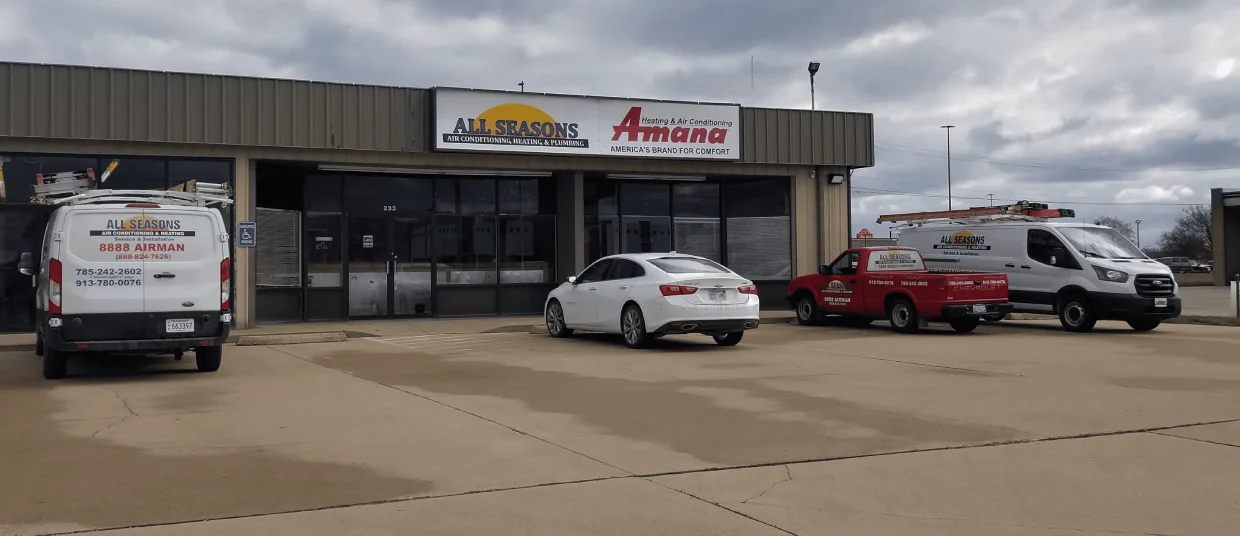
Air duct cleaning in Lawrence, KS by All Seasons Air Conditioning and Heating is explained through a thorough inspection-led approach that identifies contaminants, moisture sources, and airflow issues before cleaning. Our technicians use high-powered vacuums, agitation, coil and duct interior cleaning, and containment to remove dust, pollen, and mold while preventing cross-contamination. When remediation is needed, moisture control and repairs are prioritized alongside cleaning. Expected benefits include reduced dust, improved airflow, and fresher indoor air, with recommendations for maintenance, filtration, and moisture management over time.
.webp)
Air Duct Cleaning in Lawrence, KS
Keeping your heating and cooling system’s ductwork clean is one of the most effective ways to improve indoor air quality and HVAC performance in Lawrence, KS homes and businesses. Between spring pollen, summer humidity, and fall leaf and soil dust common in Douglas County, duct systems can collect allergens, dust, and debris that reduce airflow, create odors, and aggravate allergies. This page explains what professional air duct cleaning looks like, how to recognize when you need it, the methods technicians use, steps for mold or contaminant remediation, expected results, recommended service frequency, and simple preparation and aftercare for Lawrence properties.
Why air duct cleaning matters in Lawrence, KS
Lawrence’s seasonal pollen, frequent yard work, older homes with leaky duct runs, and humid summers all contribute to faster accumulation of dust, pet dander, and biological growth inside ducts. Clean ducts:
- Improve overall indoor air quality and reduce allergens
- Restore balanced airflow to rooms with uneven heating or cooling
- Help the HVAC system run more efficiently by reducing resistance
- Remove lingering odors from must, pets, smoke, renovation dust, or cooking
Common signs you need professional air duct cleaning
Watch for these clear, actionable indicators in your Lawrence home or commercial property:
- Noticeable dust buildup on vents and registers shortly after cleaning surfaces
- Persistent musty, moldy, or stale odors when the system runs
- Rooms with uneven airflow, cold/hot spots, or weak register output
- Increase in allergy or respiratory symptoms when indoors
- Recent home renovation, pest activity in the attic/crawlspace, or smoking indoors
- Visible mold around vent openings or water damage near duct runs
What to expect from a professional inspection
A thorough inspection is the foundation of a quality duct cleaning service. Typical inspection steps include:
- Visual assessment of registers, accessible duct sections, air handler, and coils
- Use of inspection camera or mirror to check deeper duct runs when needed
- Measurement of airflow and static pressure to quantify performance issues
- Identification of contaminant types (dust, pollen, pet dander, insulation fragments, visible mold)
- Locating moisture sources: attic condensation, roof leaks, humidifier or AC drain problems common in Kansas summers
The inspection report will guide whether cleaning alone is appropriate or if targeted repairs or remediation are required.
Proven cleaning methods used by professionals
Effective, professional duct cleaning combines agitation with containment and filtration. Common industry methods include:
- High‑powered HEPA vacuuming: Creates negative pressure to pull debris out of ducts and into a sealed collection system
- Mechanical agitation: Rotating brushes, air whips, and compressed-airists break loose settled dust and dislodge debris from walls
- Coil and air handler cleaning: Cleaning the evaporator coil, blower fan, and drain pan to remove trapped contaminants that re-enter ductwork
- HEPA filtration and containment: Captures fine particles and prevents cross-contamination of living spaces during cleaning
- Register and grille cleaning: Remove, scrub, and reinstall vents to eliminate surface dust and bacteria buildup
For commercial systems, technicians may use larger negative-pressure systems and access methods suited to long, multi-zone duct runs.
Mold and contaminant remediation procedures
When inspection finds mold or other biological contaminants, cleaning must be combined with remediation steps:
- Stop the source: Identify and repair the moisture problem (leaks, poor insulation, clogged drains) that allowed mold growth
- Isolate and contain: Use negative pressure and protective barriers to prevent spores from spreading during work
- HEPA vacuum and agitation: Remove visible growth and organic material from duct interiors
- Surface treatments: Apply EPA‑recommended antimicrobial treatments only when appropriate and documented; these are not a substitute for moisture control
- Replace severely damaged sections: Heavily contaminated or deteriorated duct sections (insulated or fibrous ducts) are often best replaced rather than simply cleaned
Technicians should document findings and explain whether cleaning, repair, or replacement is the responsible long‑term solution.
Expected outcomes and realistic benefits
After professional duct cleaning you can typically expect:
- Noticeable reduction in dust on surfaces and registers within days
- Improved airflow and more consistent room temperature control
- Fewer visible particulates when the system runs and reduced allergy triggers
- A cleaner, fresher odor profile (provided source moisture was addressed)Keep in mind that duct cleaning is a service that improves conditions; ongoing benefits depend on proper filtration, regular maintenance, and addressing moisture or filtration issues common in Lawrence’s climate.
How often should you clean ducts
Recommended intervals vary based on conditions:
- Typical residential schedule: every 3–5 years for well-maintained systems
- Sooner (1–3 years) if you have pets, smokers, allergy sufferers, a recent renovation, or frequent yard work that brings in pollen and dust
- Commercial systems: frequency depends on occupancy, usage, regulatory requirements, and source contaminants—often annually or biannually for high‑use facilitiesInspection-driven scheduling is best: let the system’s condition and indoor air quality symptoms determine timing.
Residential vs commercial service differences
Services are tailored to the scale and complexity:
- Residential: Focused on single-zone systems, accessible registers, attics and crawlspaces. Technician teams are typically 1–2 people with portable HEPA vacuums and agitation tools.
- Commercial: May involve rooftop units, long duct trunks, multiple zones, and specialized containment procedures. Larger crews and industrial-scale equipment are used, plus coordination for after-hours work to minimize disruption.
Preparation and aftercare tips for Lawrence properties
Preparation:
- Clear a 3–5 foot area around registers and the air handler for access
- Secure or remove fragile items near the furnace/air handler and in immediate areas where technicians will work
- Keep pets contained and inform technicians of any household hazards
- Note any persistent odors, allergy activity, or problem rooms before service
Aftercare:
- Replace or upgrade the system filter with a high‑quality filter appropriate for your system (check MERV compatibility)
- Run the system for a few hours and check registers for dust or odors; a short residual odor can be normal but should dissipate within days
- Monitor for reoccurrence: persistent dust or mold indicators usually point to an unresolved moisture or infiltration source
- Consider sealing or insulating exposed ducts, improving attic/crawlspace ventilation, and scheduling routine HVAC maintenance to extend the benefits
Final considerations
Professional air duct cleaning in Lawrence, KS is a targeted, inspection-led service designed to remove accumulated debris, address contamination, and restore efficient airflow. Given the region’s seasonal pollen, humidity, and older housing stock, an inspection-based approach ensures you get the right combination of cleaning, repairs, and moisture control to protect indoor air quality and HVAC performance over the long term.
Customer Testimonials
Service Areas