Heating Repair in Lyndon, KS
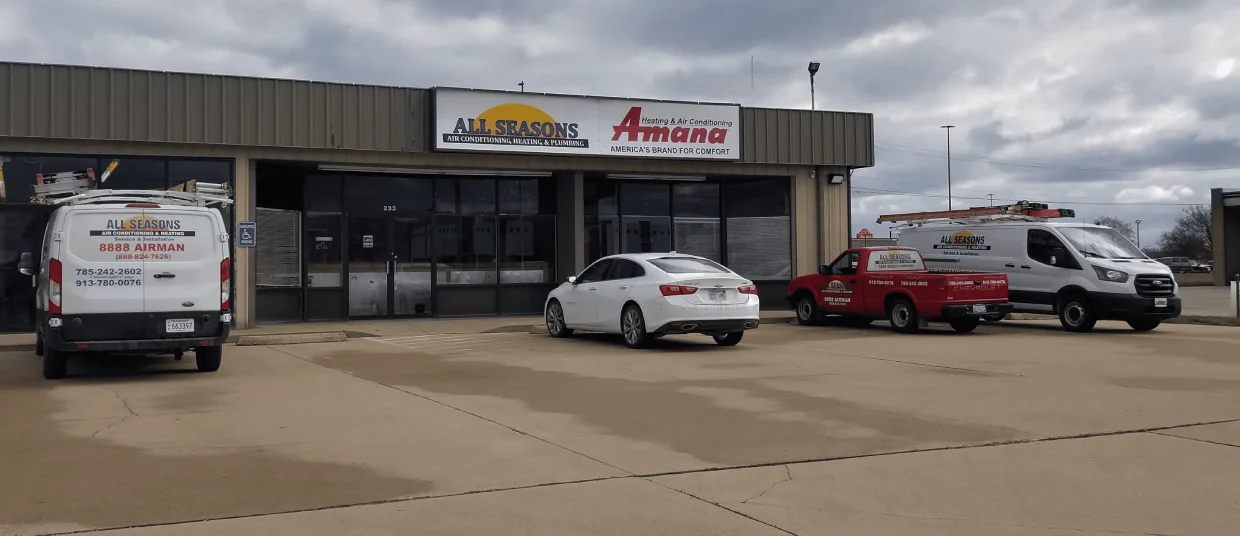
When you need heating repair in Lyndon, KS, All Seasons Air Conditioning and Heating emphasizes fast, knowledgeable service to keep your home warm during harsh winters. We outline common issues like no heat, ignition problems, thermostat faults, short cycling, and heat loss, and explain our diagnosis steps, from visual inspections to thorough safety and combustion tests. We cover typical repair options, equipment replacements, emergency and same-day service, technician certifications, safety checks, timelines, warranties, and provide maintenance tips to minimize future breakdowns and extend your system's life. Trust our local experts at All Seasons Air Conditioning and Heating, dedicated to your comfort.
.webp)
Heating Repair in Lyndon, KS
Keeping your home warm and safe during Lyndon winters depends on fast, knowledgeable heating repair. Whether your furnace refuses to start, the heat is inconsistent, or you smell gas, understanding common problems, what technicians do to diagnose them, and the typical repairs can help you make an informed decision when a heating system fails. This page explains heating repair in Lyndon, KS, with clear, practical information about issues, procedures, emergency response, timelines, technician qualifications, and warranty considerations.
Why timely heating repair matters in Lyndon, KS
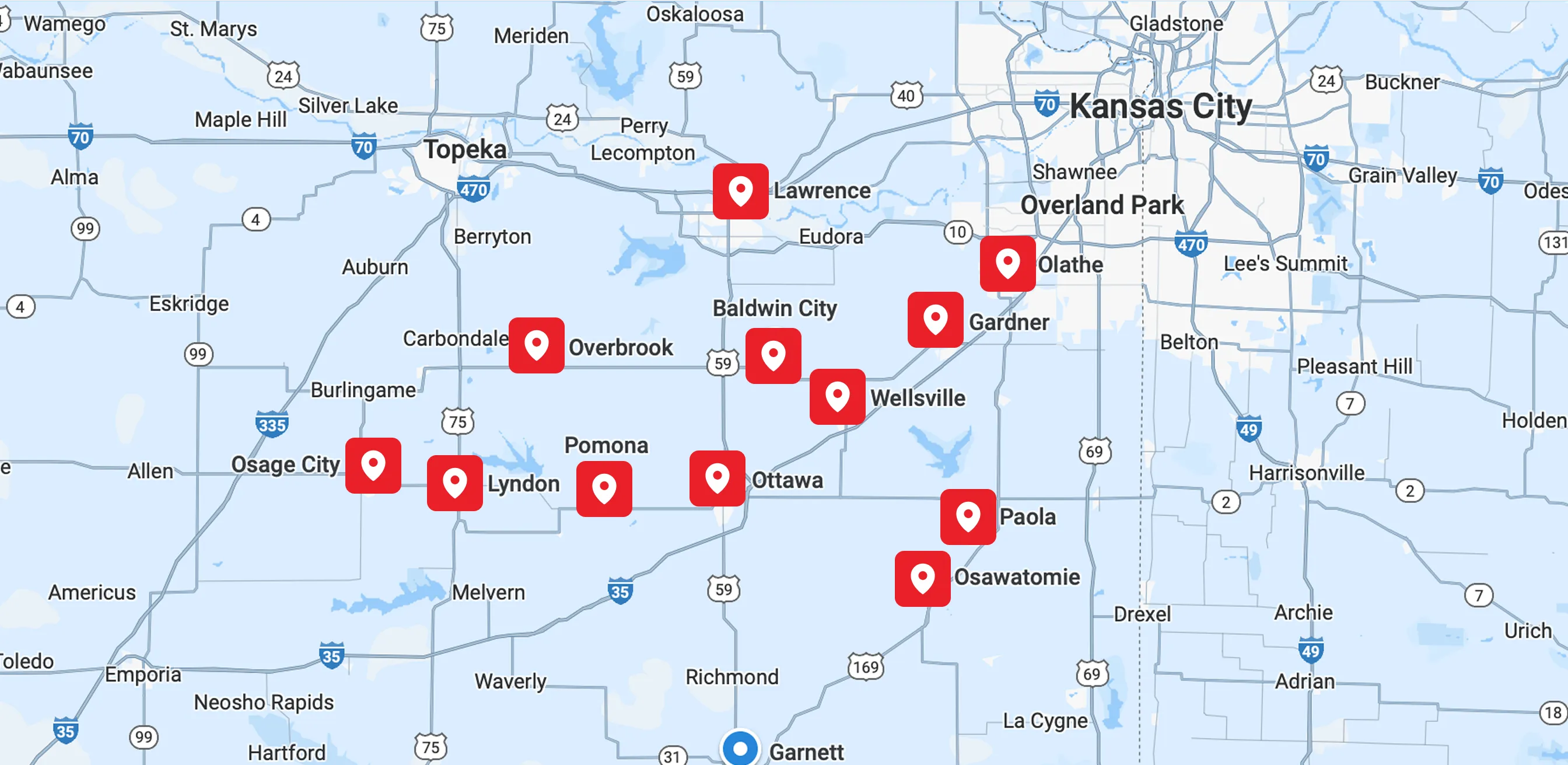
Lyndon experiences cold Kansas winters and fluctuating temperatures that put heavy stress on heating systems. Rural properties and older homes common in the area often rely on natural gas furnaces, propane systems, or electric heat, and delayed repairs can lead to higher energy use, frozen pipes, or unsafe combustion conditions. Fast diagnosis and repair restore comfort, improve efficiency, and reduce the risk of costly secondary damage.
Common heating repair issues in Lyndon, KS
Homeowners in Lyndon typically call for repairs because of these problems:
- No heat at all - unit won’t ignite or blower won’t run.
- Pilot or ignition problems - intermittent ignition, failed hot surface igniter, or pilot outages.
- Strange noises - rattling, banging, squealing, or popping coming from furnace or ducts.
- Thermostat faults - miscalibration, loose wiring, or failed controls causing inconsistent cycles.
- Short cycling - furnace turns on and off rapidly, indicating airflow, thermostat, or safety limit issues.
- Weak or uneven airflow - clogged filters, failing blower motor, or blocked ducts.
- Odors - rotten egg scent (possible gas leak), burning smells, or musty air from duct issues.
- Heat exchanger cracks and combustion concerns - serious safety issues that require professional assessment.
- Heat pump-specific issues - loss of heating capacity in cold weather, defrost cycle faults, or refrigerant concerns.
How technicians diagnose heating problems
A thorough diagnosis prevents unnecessary parts replacement and pinpoints the root cause. Typical diagnostic steps include:
- Visual inspection of the unit, vents, and accessible ductwork for obvious issues.
- Thermostat verification and control board checks to confirm correct signals and power.
- Ignition system testing: pilot assembly inspection, hot surface igniter resistance test, and flame sensor cleaning.
- Combustion and safety checks: flame pattern, carbon monoxide testing, and ventilation analysis.
- Electrical testing: voltage and amperage checks on motors, capacitors, and control circuits.
- Airflow measurement and filter inspection, including return vents and blower performance.
- For fuel systems, gas valve and pressure checks or propane system verification.
- Heat exchanger inspection using appropriate equipment and visual access where possible.
- For heat pumps, refrigerant checks, reversing valve operation, and defrost system evaluation.
Typical repair procedures and parts replacement
Repairs are tailored to the defective component and may include:
- Replacing ignition components: hot surface igniters, pilot assemblies, or flame sensors.
- Repairing or replacing the gas valve or pressure regulators (fuel-supply specialists).
- Replacing or repairing blower motors, belts, and blower assemblies to restore airflow.
- Control board or relay replacement when electrical controls fail.
- Cleaning or replacing clogged filters, blower wheel cleaning, and duct clearing for airflow problems.
- Replacing safety switches, limit switches, and thermostats to stop short cycling and protect the system.
- Heat exchanger replacement if cracked or leaking; this is a major repair that affects system life.
- Heat pump repairs: reversing valve servicing, compressor or valve replacement, and refrigerant recharge when needed.Technicians typically offer options: repair the failed part, provide a repaired-and-tested path to restore safe operation, or, when sensible, recommend replacement for aging systems where ongoing repairs reduce long-term value.
Emergency response and same-day options in Lyndon
Heating failures during cold snaps require immediate attention. Local services prioritize no-heat and suspected gas-leak calls and can offer:
- Same-day emergency diagnostics to restore heat quickly when possible.
- Temporary fixes to re-establish safe heating while ordering necessary parts.
- Mobile service trucks equipped with common replacement parts for faster turnaround.
- Coordinated response during widespread outages or storm conditions to triage urgent situations.Because Lyndon includes both in-town and rural customers, travel time and parts availability can influence same-day completion. Technicians will advise on realistic timelines after on-site assessment.
Technician certifications and safety checks
Professional heating repair includes safety-first practices:
- Technicians should be EPA certified for fuel-handling and refrigerant work, and hold manufacturer or NATE training for reliable diagnostics.
- Safety checks include carbon monoxide testing, combustion efficiency analysis, ventilation adequacy, and gas-leak detection.
- Proper licensing and adherence to local codes ensure safe, compliant repairs and reduce liability for homeowners.
- Documentation of repairs and safety checks provides transparency and supports any warranty claims.
Estimated timelines and what to expect
Timeline depends on the issue and parts availability:
- Simple fixes such as thermostat replacement, filter and sensor cleaning, or minor electrical repairs are often completed same day.
- Component swaps like igniters, capacitors, or motors are commonly same-day if parts are on the truck or locally stocked.
- Complex jobs such as heat exchanger replacement, major control-board swaps, or compressor work may require ordering parts and scheduling return visits.Technicians will typically provide a clear timeline after diagnosis so you know whether heat will be restored immediately or if a follow-up visit is necessary.
Pricing guidance factors (without specific costs)
Instead of a one-size price, expect repair cost to reflect:
- The type of heating system (gas furnace, propane, electric furnace, heat pump).
- The specific failed component and whether it is a labor-intensive repair.
- Parts availability and whether specialty components must be ordered.
- The age and overall condition of the system—older units sometimes require multiple repairs.
- Emergency or after-hours service requests, which can affect availability and scheduling.A good repair recommendation will weigh immediate repair vs. replacement cost-effectiveness and energy-efficiency impacts.
Warranty and guarantee information
Warranty considerations reduce risk:
- Manufacturer warranties typically cover parts on newer equipment and vary by brand and component.
- Repaired parts may carry limited service warranties from the installer; inquire about what the workmanship warranty covers and how long it applies.
- Safety-related repairs and documented safety checks support compliance with warranty requirements.Always request written warranty terms for parts and labor at the time of repair so you understand coverage and any maintenance obligations.
Maintenance to avoid future repairs
Regular seasonal maintenance dramatically reduces emergency repair risk:
- Annual fall furnace inspection and Tune-Up to catch ignition, combustion, and airflow problems before winter.
- Regular filter changes and duct checks to maintain airflow and efficiency.
- Fuel system inspections for propane or natural gas systems, especially on rural properties.Planned maintenance not only extends system life but also preserves manufacturer warranties and helps prevent costly mid-winter failures.
Heating repair in Lyndon, KS requires local knowledge of regional fuels, winter conditions, and the typical equipment found in town and surrounding rural homes. Professional diagnosis, safety-focused repairs, and transparent timelines and warranty information are key to restoring comfort and protecting your home when the temperature drops.
Customer Testimonials
Service Areas