Furnace Repair in Richmond, KS
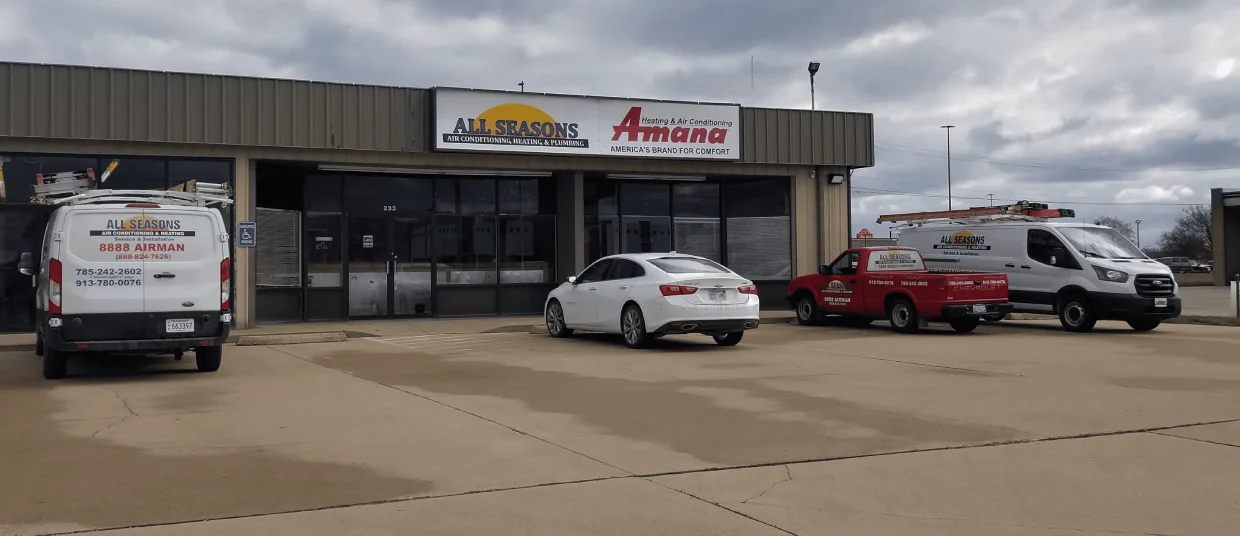
All Seasons Air Conditioning and Heating's furnace repair services in Richmond, KS address common cold-weather failures, offering expert diagnostics, emergency and scheduled repairs, and crucial safety considerations for local homes. We'll outline typical furnace problems such as ignition and gas valve issues, thermostat errors, blower motor faults, and short cycling, plus the precise diagnostic steps our technicians use to determine root causes. We contrast emergency versus planned service, detail typical parts and labor expectations, provide helpful at-home troubleshooting guidance, and explain our credentials and warranty practices to help homeowners request timely, certified repairs with confidence.
.webp)
Furnace Repair in Richmond, KS
Keeping your home warm and safe during Richmond winters depends on a dependable furnace. Whether your system is acting up suddenly or showing slow signs of decline, timely furnace repair prevents higher energy bills, cold nights, and safety risks. This page explains the most common furnace problems in Richmond, KS, how technicians diagnose failures, what to expect from emergency and scheduled repairs, typical parts and labor considerations, troubleshooting you can perform safely, technician credentials and warranty norms, and typical request and response processes for local homeowners.
Common furnace problems in Richmond homes
Richmond experiences cold, sometimes sudden winter snaps and many homes in the area have older or mixed-age HVAC equipment. The most common furnace issues you will see are:
- Ignition failure — Modern furnaces use electronic ignition instead of pilot lights. Symptoms include no heat or repeated attempts to light. Causes include faulty igniters, failed flame sensors, or gas supply interruptions.
- Pilot light or standing pilot issues — Present in older systems. A pilot that will not stay lit often points to a dirty pilot or thermocouple failure.
- Blower motor faults — Weak airflow, strange noises from the furnace cabinet, or intermittent operation can indicate a failing blower motor, worn bearings, or a failing capacitor.
- Thermostat errors — Incorrect temperature readings, short cycling, or a furnace that refuses to start can be caused by thermostat wiring or calibration problems.
- Frequent cycling or short cycling — Often caused by overheating due to a clogged filter, restricted return vents, or malfunctioning limit switches.
- Ignition and gas valve problems — Intermittent heat or gas control faults can create unsafe conditions and need professional evaluation.
- Strange noises or smells — Rattling, grinding, or burning odors may signal mechanical wear, motor issues, or electrical problems.
How technicians diagnose furnace failures
Technicians follow a structured diagnostic process to identify the root cause efficiently and safely:
- Visual inspection — Check filters, blower compartment, venting, and visible wiring for damage or obstructions.
- System startup check — Observe the furnace through a controlled startup to note ignition behavior, burner flame quality, and cycling.
- Electrical and control testing — Measure voltages, capacitor health, and control board signals. Confirm thermostat communications and wiring continuity.
- Gas pressure and combustion check — For gas furnaces, verify proper gas valve operation and safe combustion characteristics.
- Airflow and duct check — Inspect blower performance, airflow restrictions, and return vents that impact system efficiency.
- Component testing — Test suspect parts such as igniters, flame sensors, limit switches, and blower motors.
- Report and recommendations — Present diagnostics, differentiate between urgent safety concerns and issues that can be scheduled, and explain repair options.
Technicians in the area often account for Richmond-specific issues like dust accumulation from agricultural activity and older ductwork in historic homes.
Emergency repair versus scheduled service
- Emergency repairs are handled when there is no heat, suspected gas leaks, persistent carbon monoxide risk indicators, or total system failure during extreme cold. These jobs get priority because of occupant safety and comfort.
- Scheduled repairs cover non-urgent faults such as intermittent blower noise, thermostat replacement, or parts that can be ordered and installed during regular hours.
Expect emergency diagnostics to focus first on safety checks and temporary fixes to restore heat, then follow-up work to complete permanent repairs.
Typical parts and labor expectations
Common parts replaced during furnace repair in Richmond include:
- Igniters and flame sensors
- Pilot assembly and thermocouples
- Blower motors and capacitors
- Limit switches and control boards
- Gas valves and pressure regulators
- Thermostats and wiring
Labor time varies by problem complexity:
- Simple replacements like a filter or thermostat calibration can take less than an hour.
- Replacing an igniter or flame sensor typically takes 1 to 2 hours.
- Blower motor or control board changes, or repairs requiring duct access, may require 2 to 4 hours.
- Emergency repairs may include temporary measures with follow-up scheduled service for full replacement.
Parts are usually covered by manufacturer warranties, while professional labor often carries a workmanship guarantee for a limited period. Ask for details about parts warranty duration and the terms of the labor guarantee before work begins.
Safe troubleshooting tips you can do now
Only perform noninvasive checks. If you suspect a gas leak or see any yellow flame or odor, leave the home immediately and get emergency help.
- Check and replace a dirty filter. Restricted airflow causes many common issues.
- Confirm thermostat is set to heat, correct mode, and batteries are fresh if applicable.
- Inspect vents and registers to ensure they are open and not blocked by furniture.
- Listen at startup for repeated attempts to ignite or clicking that does not lead to a steady flame.
- Reset a tripped breaker in the furnace circuit if it is safe to do so. Do not repeatedly reset a breaker.
If basic checks do not restore heat or reveal an obvious, safe fix, professional diagnosis is recommended.
Technician credentials and warranty information
Qualified furnace technicians servicing Richmond homes should be EPA certified and trained on gas and electrical safety. Many local technicians hold additional certifications or mechanical diplomas and complete manufacturer training for major brands. Proper credentials ensure safe handling of gas components, combustion testing, and compliance with local codes.
Standard warranty practices include:
- Manufacturer parts warranties covering defects for a set period.
- Limited labor guarantees from the service provider, often 30 to 90 days, on repair work.
- Documentation of replaced parts and warranty terms provided after service.
Always request written confirmation of warranties and an explanation of what is and is not covered.
Requesting service and expected response times in Richmond
Service requests are typically handled through online forms or an emergency dispatch system. Local providers prioritize safety calls during cold snaps. Typical response expectations in the Richmond area are:
- Emergency situations: prioritized same-day response where possible, often within a few hours depending on call volume and weather.
- Non-emergency repairs: scheduled next-business-day to within a few days, with earlier slots during shoulder seasons and limited availability during peak winter storms.
Service windows may expand during widespread cold weather events, so early reporting of issues helps secure faster appointments.
Why prompt furnace repair matters
Timely furnace repair restores safe, consistent heat, reduces energy waste from inefficient operation, extends equipment life, and avoids costly emergency replacements. For Richmond homes, where winter nights can be suddenly cold, addressing furnace problems early protects household comfort and reduces the risk of frozen pipes or unsafe conditions.
Regular maintenance and prompt repairs work together to keep furnaces running reliably through Kansas winters. If you need in-home diagnostics or urgent attention, rely on certified technicians who follow structured safety and diagnostic procedures and provide clear warranty information for peace of mind.
Customer Testimonials
Service Areas