Furnace Maintenance in Garnett, KS
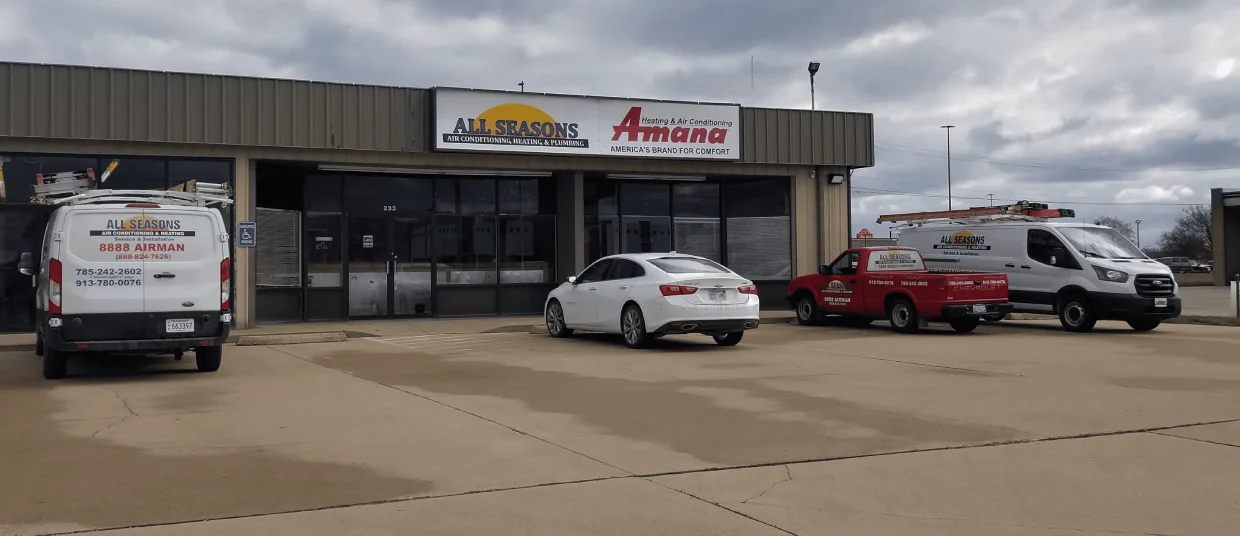
All Seasons Air Conditioning and Heating explains professional furnace maintenance in Garnett, KS, detailing EPA-certified technician inspections, recommended seasonal checkups, and the value of membership plans. We outline typical maintenance visits, including safety checks, filter replacement, burner and heat exchanger inspection, and documentation of findings, plus member benefits like two visits per year, priority scheduling, and discounted repairs. We also cover filter frequency, ways maintenance extends life and efficiency, and the best timing to schedule before cold snaps for reliable, cost-effective heat.
Furnace Maintenance in Garnett, KS
Keeping your furnace in peak condition matters in Garnett, KS. Winters in eastern Kansas can bring sudden cold snaps and prolonged low temperatures that put extra strain on heating systems. Regular furnace maintenance reduces breakdowns on the coldest days, improves comfort, lowers energy use, and helps protect your family from safety risks like carbon monoxide. This page outlines what professional furnace maintenance in Garnett looks like, what EPA-certified technicians inspect and clean, how membership plans work, and why seasonal care pays off for homes in this region.
Why seasonal furnace maintenance is important in Garnett, KS
- Winters are frequently below freezing and can begin early or extend late into the season, increasing run hours and wear.
- Rural and small-town homes often face higher dust, pollen, and agricultural debris that clog filters and reduce airflow.
- Older homes common in the area may have aging ductwork or furnaces that need closer inspection to maintain efficiency and safety.
- Timely maintenance prevents unexpected failures during the coldest periods when emergency service is more difficult and costly.
Common furnace problems Garnett homeowners experience
- Short cycling or frequent on/off operation due to dirty filters or airflow restrictions
- Reduced heat output from clogged burners or misadjusted gas valves
- Excessive noise from worn blower motors, belts, or loose components
- Rising energy bills caused by inefficient combustion, dirty heat exchangers, or poor thermostat calibration
- Safety concerns such as cracked heat exchangers or blocked flue vents that can lead to carbon monoxide risk
Typical furnace maintenance plans and membership structure
Professional maintenance plans for furnaces generally include two principal features:
- Scheduled seasonal inspections: a pre-winter visit focusing on safety and performance and often a spring check if the system serves both heating and cooling roles.
- Routine service items included: cleaning of critical components, filter replacement (commonly a 1 inch disposable filter included in the plan), mechanical safety and performance checks, and prioritized scheduling and discounts for members.
Membership benefits you can expect
- Two preventative maintenance visits per year, with one dedicated to furnace care
- Included replacement of the most common 1 inch filter during maintenance visits; larger or specialty filters may incur an additional charge
- Priority scheduling for members during peak cold weather periods
- Member discounts on repairs and parts and reduced wait time for service calls
- Service performed by EPA-certified technicians who follow industry best practices and documented checklists
What an EPA-certified technician will do during a furnace maintenance visit
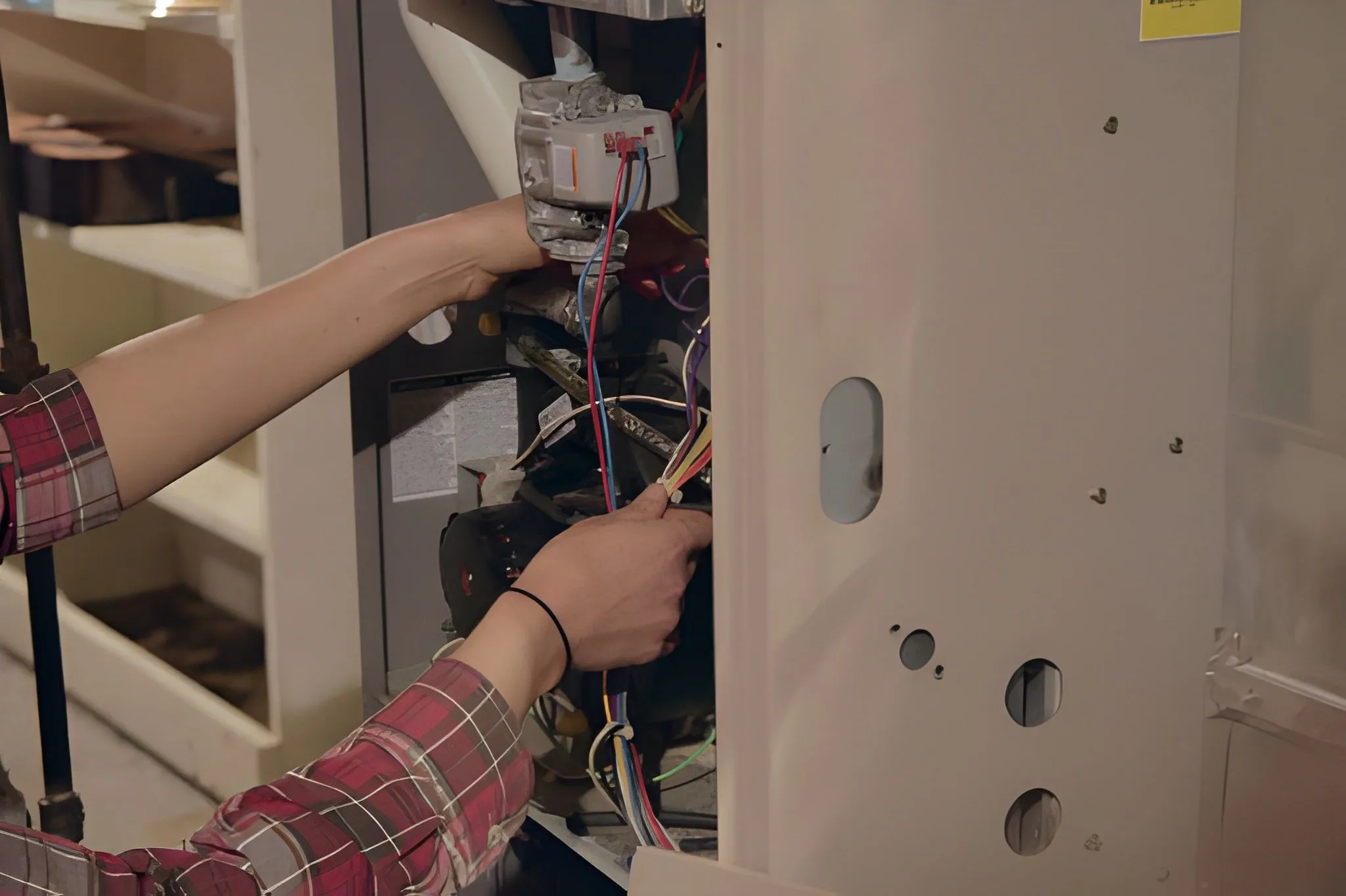
Technicians certified through industry programs will perform a thorough, documented inspection and Tune-Up to improve safety and efficiency. A typical maintenance checklist includes:
- Visual inspection of the furnace cabinet and surrounding area
- Check and replace the air filter (1 inch filters commonly included)
- Inspect and clean burners and ignition assembly
- Examine heat exchanger for cracks or corrosion that could lead to carbon monoxide leaks
- Test and verify proper combustion and venting; inspect flue and draft for blockages
- Check gas connections and valves for leaks and proper operation
- Inspect and clean the blower assembly; check motor amperage and bearings
- Lubricate moving parts where applicable
- Inspect and test safety controls, limit switches, and rollout switches
- Check thermostat calibration and operation
- Inspect ductwork connections for obvious leaks, accessibility issues, or buildup
- Verify proper blower belt tension and condition on applicable models
- For high-efficiency condensing furnaces: inspect condensate trap and drain for blockages
- Provide a summary of findings and recommended repairs or follow-up items
Technicians will not only perform cleaning and adjustments but also document conditions that affect long-term performance. This makes it easier to track trends, schedule needed repairs before failure, and demonstrate compliance with warranty requirements.
Filter replacement frequency and indoor air quality
- A standard 1 inch disposable filter typically needs replacement every 1 to 3 months depending on usage, number of occupants, pets, and local dust levels. Maintenance plans usually include changing this filter during visits.
- Pleated or higher-MERV filters last longer but should be checked regularly and replaced per manufacturer guidance.
- In Garnett homes with higher pollen or dust exposure, more frequent filter changes will maintain airflow and efficiency and improve indoor air quality.
How regular maintenance extends equipment life and improves efficiency
- Reduced wear: cleaning and lubrication reduce friction on motors and moving parts so components last longer.
- Improved combustion efficiency: burner cleaning and calibration allow the furnace to burn fuel more cleanly, reducing fuel use and emissions.
- Preventative repairs: early detection of worn parts prevents small failures from cascading into major breakdowns.
- Lower operating cost: a well-maintained furnace operates closer to original efficiency, which reduces monthly energy bills during heavy-use months.
- Safety assurance: regular inspection of heat exchangers, flue systems, and safety controls reduces the risk of hazardous conditions like carbon monoxide exposure.
- Warranty protection: many manufacturers require regular documented maintenance to keep warranties valid; professional service provides the necessary records.
Seasonal timing and recommended approach
- Schedule a professional furnace check in early fall before extended cold sets in. This ensures any issues are fixed while technicians are available and before emergency demand spikes.
- If your system also supports air conditioning, the maintenance membership often includes a separate spring visit for AC Tune-Up so both systems receive seasonal attention.
- Consider more frequent inspections for older equipment or homes with pets, smokers, or high dust loads.
Final notes on professional service and expectations
Professional furnace maintenance in Garnett, KS should be performed by qualified, EPA-certified technicians who follow a clear maintenance checklist and document their findings. Membership plans provide predictable upkeep, priority response during cold snaps, and added value like filter changes and discounts. For Garnett homeowners relying on dependable heat through long Kansas winters, regular, documented maintenance is a practical investment that enhances comfort, reduces operating costs, and improves system longevity.
Customer Testimonials
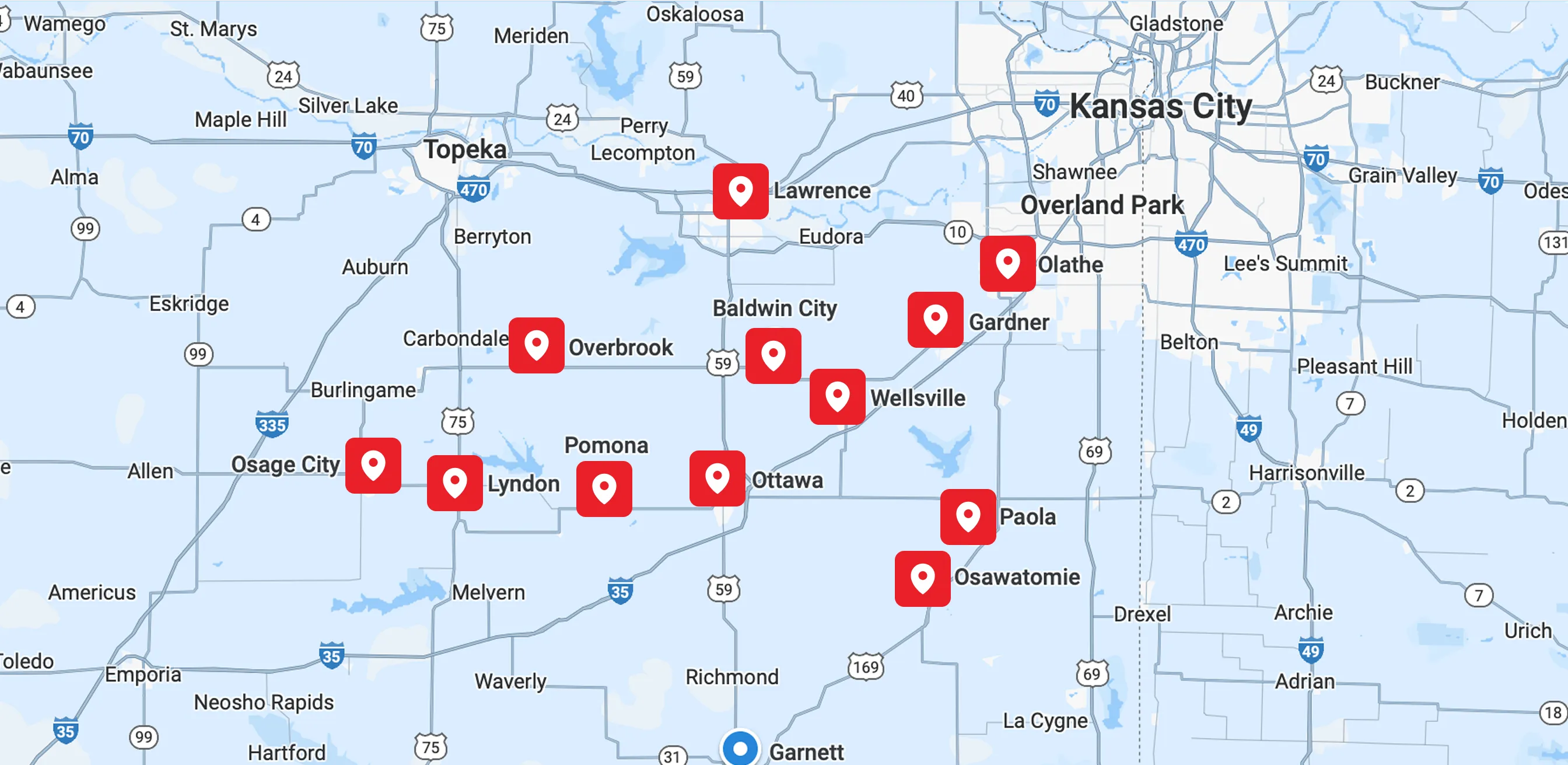
Service Areas