Furnace Installation in Garnett, KS
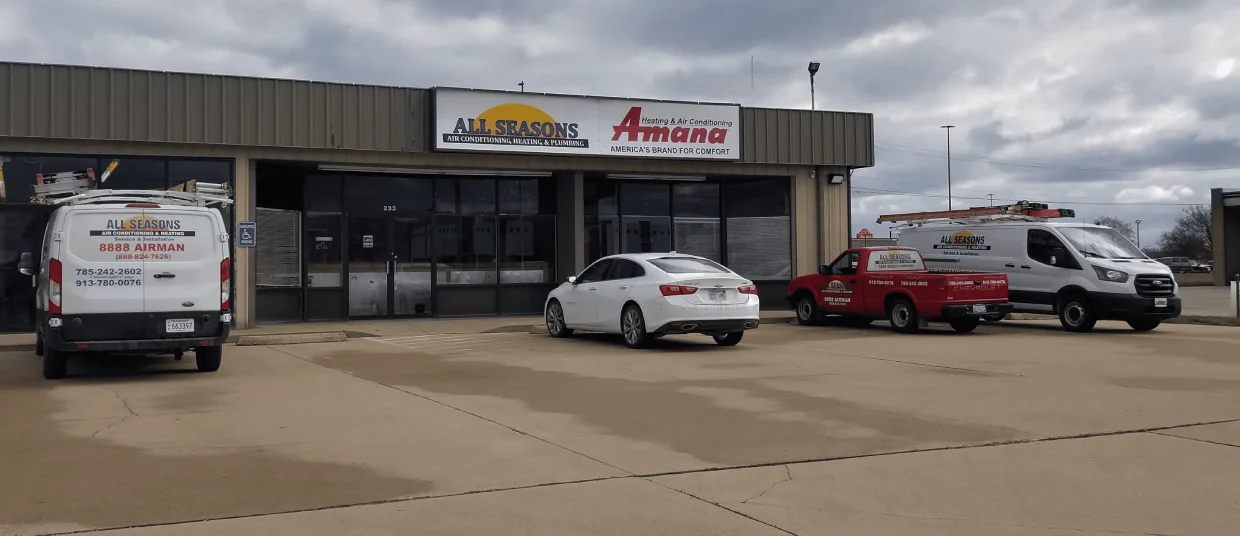
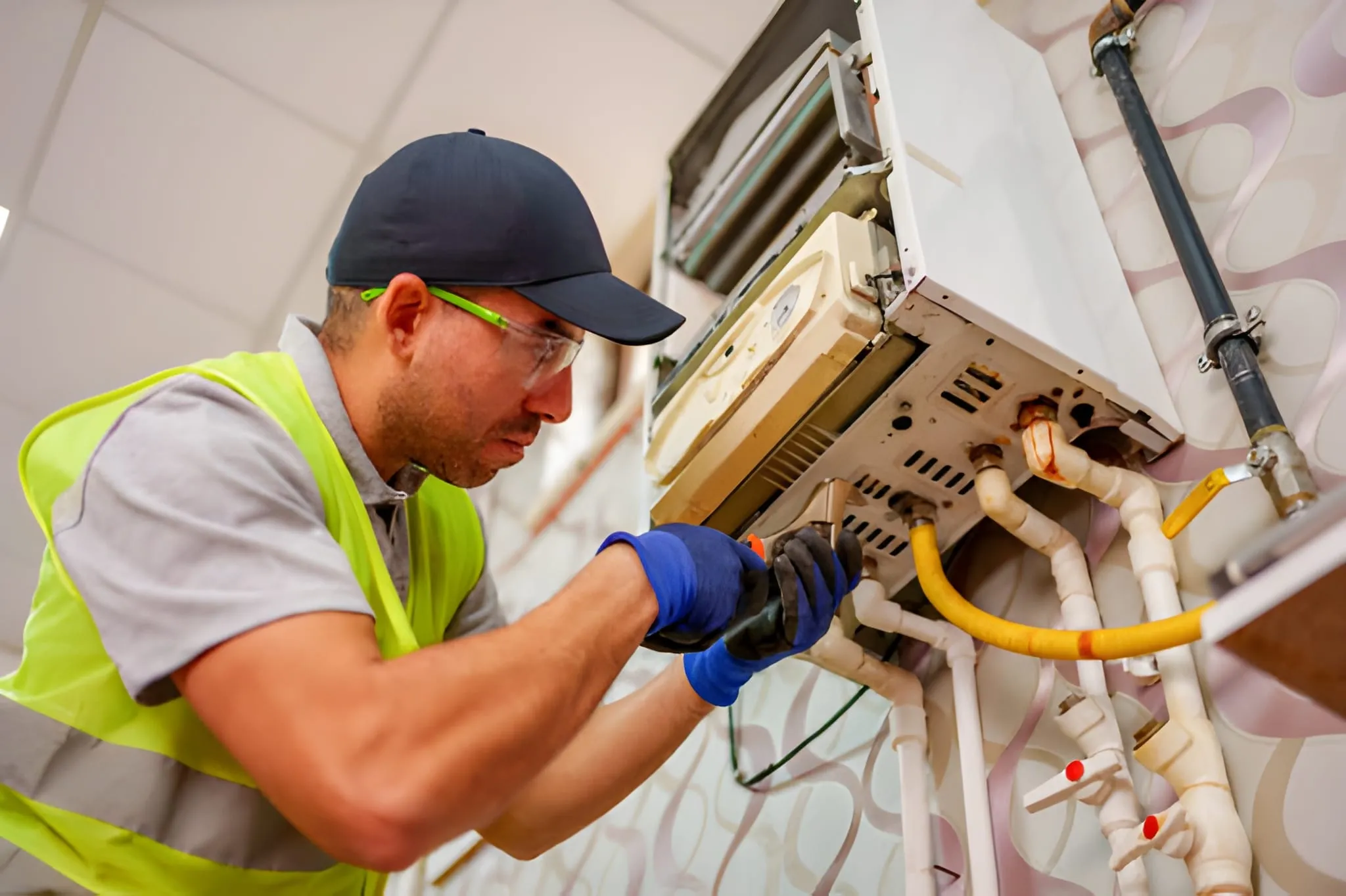
Furnace installation in Garnett, KS by All Seasons Air Conditioning and Heating delivers safe, efficient heating through professional sizing, site preparation, and expert installation. Our service includes a thorough home assessment, Manual J load calculation, duct design verification, and code-compliant clearances, followed by precise gas or electrical connections and balanced ductwork. Post-install testing confirms venting, combustion safety, and performance, while warranty registration ensures coverage. Homeowners can expect clear brand guidance, transparent timelines, and reliable support that protects comfort and energy use through Garnett’s cold winters.
Furnace Installation in Garnett, KS
Replacing or installing a new furnace is one of the most important investments you can make for comfort, safety, and energy efficiency in Garnett, KS. With cold, sometimes severe winters in eastern Kansas and variable home construction ranging from older farmhouses to modern builds, a correctly sized, professionally installed furnace prevents uneven heating, reduces utility bills, and avoids the common performance problems that come from improper installation.
Why proper furnace installation matters in Garnett, KS
Garnett experiences cold snaps and extended chilly periods where a reliable heating system is essential. Poorly sized or installed furnaces can short cycle in winter, increase wear on components, fail to maintain indoor temperature, and even create safety risks such as carbon monoxide leaks. In Garnett homes—many with older duct systems, basements, or crawlspaces—proper site preparation, load calculations, and venting are essential to long-term performance.
Common furnace installation needs and issues in Garnett, KS
- Undersized equipment that struggles during the coldest weeks
- Oversized furnaces that short cycle, raising energy use and maintenance needs
- Leaky, undersized, or improperly balanced ductwork common in older homes
- Inadequate combustion air or incorrect flue/vent configurations in tight homes
- Fuel type differences: natural gas, propane (LP), and electric systems require different installation details
- Condensate handling for high-efficiency (condensing) furnaces in freezing weather
What the process looks like: initial assessment and load calculations
A professional furnace installation begins with a thorough home assessment:
- Visual inspection of existing furnace, ductwork, venting, and thermostat location
- Measurement of conditioned space, insulation levels, window types, air infiltration, and orientation
- A Manual J heating load calculation to determine exact heating demand rather than relying on square footage alone
- Manual D duct design or verification when ducts are being replaced or modified to confirm adequate airflow
Accurate sizing is critical. The recommended system capacity will be based on the Manual J result, local climate considerations for Garnett winters, and goals for efficiency and runtime. This prevents the problems associated with both undersizing and oversizing.
Site preparation and permit considerations
Before installation:
- Confirm clearances for the selected furnace model and the available installation location (basement, utility closet, garage, closet, or attic)
- Prepare a level pad or platform if required; make provisions for proper vent termination and combustion air intake
- Verify gas line sizing and shutoff accessibility for gas furnaces; for propane customers, confirm tank supply and regulator compatibility
- Ensure electrical supply is available and meet local code requirements for disconnects and safety devices
- Arrange for required permits and local inspections as applicable in Anderson County and Garnett municipal standards
Professional installation steps
A typical professional installation includes:
Safety and performance testing after install
Post-install testing ensures the system runs safely and efficiently:
- Gas leak checks and combustion safety checks for natural gas or propane systems
- Combustion analysis for draft, CO levels, and proper fuel-to-air ratio when applicable
- Measurement of supply and return airflow, static pressure checks, and temperature rise across the heat exchanger
- Verification of venting performance and condensate removal on condensing furnaces
- Thermostat calibration and zoned system checks if applicable
- Final electrical safety checks and a visual inspection of all connections and clearances
These tests protect your household from safety risks and confirm the system meets rated performance. In Garnett's cold months, verifying reliable ignition and safe venting is especially important.
Manufacturer warranty registration and paperwork
After installation, the installer should provide and complete all manufacturer warranty registration steps. Many brands, including Amana, require registration within a certain timeframe to activate full factory warranties and any extended coverage. Proper documentation also includes:
- Model and serial numbers recorded
- Proof of professional installation for extended warranty eligibility
- Owner manuals, maintenance recommendations, and warranty terms left with the homeowner
Registering warranties and keeping installation paperwork makes future service and claims straightforward.
Brand options and guarantees (including Amana)
Homeowners in Garnett often choose brands that balance durability and local serviceability. Amana furnaces are a common option known for:
- High AFUE efficiency models suitable for Kansas winters
- Robust heat exchangers and reliable blower options, including two-stage and variable-speed technology for improved comfort and lower operating noise
- Factory-backed warranties that often include limited lifetime heat exchanger coverage when registered properly
When choosing a brand, consider AFUE rating for your heating needs, compatibility with present ductwork, and available warranties. A professional installer will explain manufacturer guarantees, the difference between limited and extended warranty coverage, and registration requirements.
What homeowners should expect during the visit
- A diagnostic visit and load calculation prior to equipment selection or final quote
- Clear explanation of sizing, efficiency options, and fuel types suited to your home
- A scheduled installation day where technicians arrive with parts, equipment, and safety gear
- Typical installation time that can range from a half day to a full day depending on complexity and modifications required
- A tidy workspace during and after the job with filtration protection and cleanup of debris
- Final walkthrough demonstrating controls, filters, and maintenance tips
Post-install benefits and maintenance recommendations
A properly installed furnace provides:
- Consistent comfort during Garnett winters and efficient operation across seasons
- Reduced risk of premature failure and lower long-term repair costs
- Better indoor air quality with properly sealed ducts and quality filtration
Ongoing maintenance preserves performance: annual inspections, filter changes, and combustion and safety checks before the heating season are essential—especially given the temperature swings in east-central Kansas.
Replacing your furnace is a long-term investment in safety, comfort, and energy efficiency. With accurate load calculations, correct site preparation, professional installation, and proper warranty registration, a new furnace will reliably protect your Garnett, KS home through many winters.
Customer Testimonials
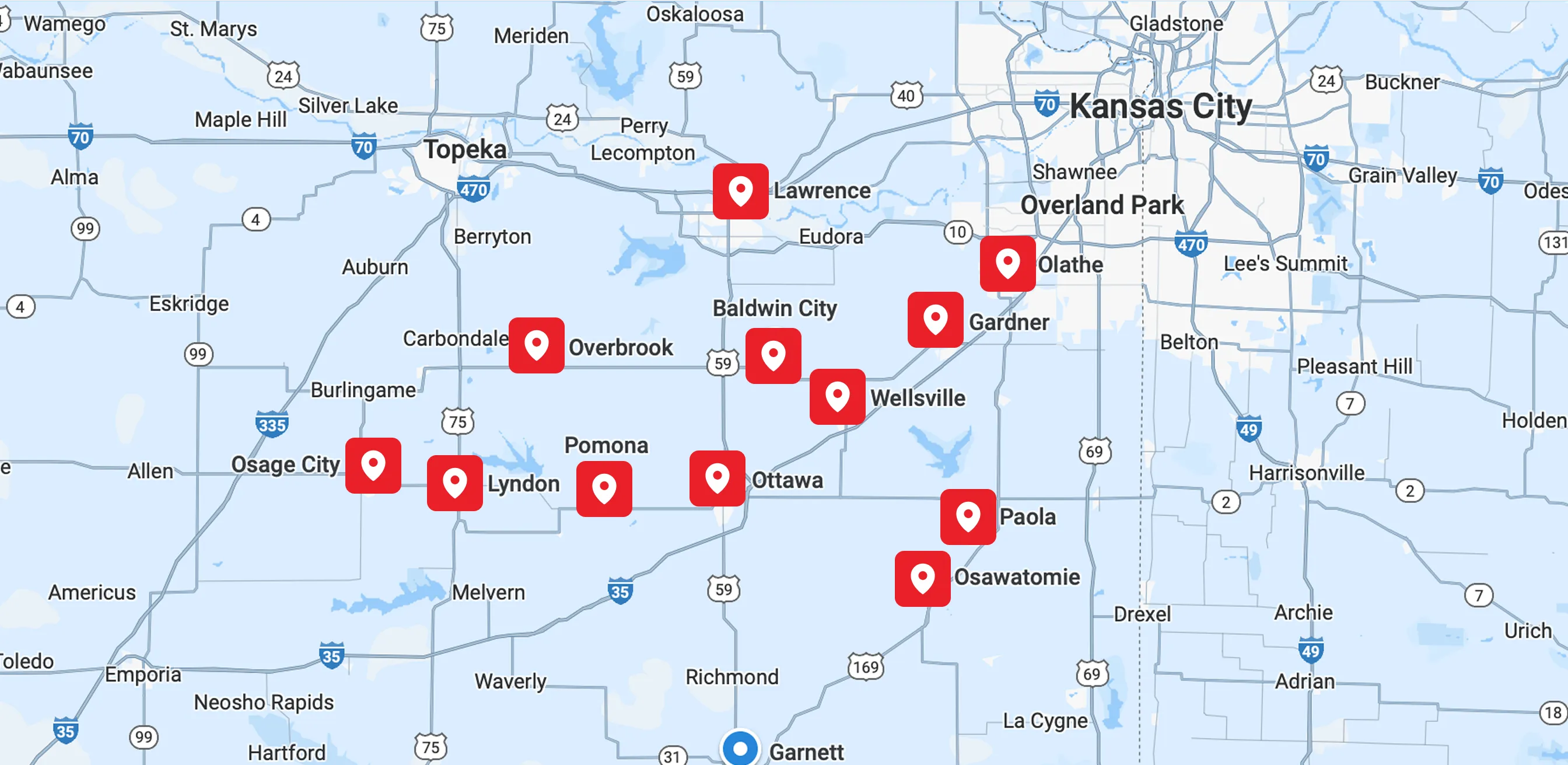
Service Areas