Water Heater Maintenance in Richmond, KS
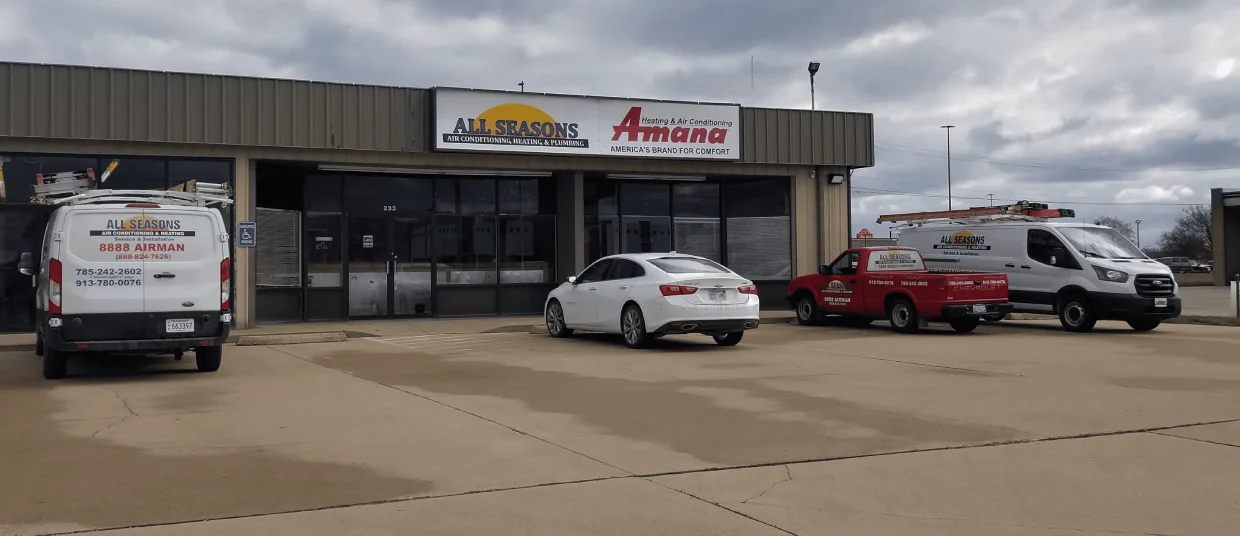
All Seasons Air Conditioning and Heating offers water heater maintenance in Richmond, KS, outlining a comprehensive program to keep systems reliable and efficient. Regular inspections, flushing to remove sediment, anode rod checks, pressure relief testing, thermostat calibration, and leak detection are standard with our service. Benefits include longer equipment life, improved energy efficiency, fewer breakdowns, safer operation, and predictable costs. Our plans range from annual tune-ups to enhanced and tankless care, with schedules tailored to well water or hard water. Schedule yearly checkups with us before peak seasons for optimal hot water reliability.
.webp)
Water Heater Maintenance in Richmond, KS
Keeping your water heater running reliably and efficiently is one of the most cost-effective ways to protect comfort and avoid emergency repairs in Richmond, KS homes. Routine water heater maintenance extends equipment life, reduces energy bills, and prevents common failures that occur when sediment, corrosion, or simple wear are left unaddressed. This page outlines what a thorough maintenance program includes, why each step matters for Richmond area conditions, and what to expect from ongoing service agreements.
Why regular water heater maintenance matters in Richmond, KS
Richmond experiences marked seasonal temperature swings and periods of heavy use in cold months. Those conditions put extra demand on water heaters and accelerate wear on components. In addition, many local homes face mineral buildup from groundwater or municipal supplies that contributes to sediment in tanks and scaling in heat exchangers. Regular maintenance helps you avoid:
- Unexpected cold showers during winter peak demand
- Higher energy costs from inefficient heat transfer
- Premature tank corrosion and leak-related damage
- Safety hazards caused by failed pressure relief or combustion systems
Common water heater maintenance issues in Richmond, KS
Understanding typical problems helps prioritize preventive work. Common issues encountered in Richmond homes include:
- Sediment buildup that causes rumbling noises and reduces heat transfer
- Anode rod depletion leading to corrosion inside tank water heaters
- Faulty temperature and pressure relief (TPR) valves
- Thermostat drift that causes inconsistent water temperatures
- Slow leaks from fittings or compromised tank integrity
- Scale and mineral buildup in tankless systems reducing flow and efficiency
- Gas burner or venting problems for fuel-fired units
What routine water heater maintenance includes
A full inspection and Tune-Up covers diagnostic checks and targeted services to restore performance and safety. Typical tasks include:
- Annual inspection of the unit, safety devices, venting, and surrounding area
- Tank flushing to remove sediment and improve heat transfer
- Anode rod inspection and replacement if the rod is heavily corroded
- Pressure relief valve testing to ensure proper operation and safety
- Thermostat calibration and temperature verification (recommended setpoint: about 120 F for most households)
- Leak detection at connections, fittings, and the tank exterior
- For gas heaters: burner cleaning and combustion vent checks
- For electric heaters: element and wiring inspection
- Tankless units: descaling and inlet filter cleaning as needed
- Documentation of findings and recommendations for repairs or replacement
Each item is performed with homeowner safety and efficiency in mind. For example, flushing removes sediment that insulates the bottom of a tank from the heating source, which otherwise increases run time and energy use. Replacing a failing anode rod is often far less expensive than replacing a corroded tank.
Diagnostic details and expected benefits
During maintenance technicians look for measurable signs of trouble and correct them on the spot when possible. The expected benefits of routine water heater care include:
- Extended equipment life: Regular flushing and anode rod replacement can add years to tank-style heaters.
- Improved energy efficiency: Clean burners, descaled heat exchangers, and calibrated thermostats reduce fuel or electricity consumption.
- Fewer breakdowns: Preventive repairs reduce emergency service calls during cold weather.
- Safer operation: Working pressure relief valves and proper venting reduce risk of overpressure or combustion hazards.
- Predictable costs: Service records help you plan for replacement before catastrophic failure.
Maintenance plans and service agreements
A structured maintenance program brings consistency and clarity:
- Annual Tune-Up plan: One inspection and basic maintenance visit per year, including flushing and safety checks.
- Enhanced plan: Annual Tune-Up plus priority scheduling, preventive anode rod replacement every few years, and a written condition report.
- Tankless care plan: Scheduled descaling based on local water hardness, typically every 12 to 24 months.
- Custom schedules for wells or hard water: More frequent flushing or descaling when mineral content is high.
Service agreements typically document what is included, frequency, and any parts coverage. They simplify budgeting and ensure your heater gets attention at the right intervals for Richmond area conditions.
How often to schedule maintenance in Richmond, KS
General guidelines tailored to local needs:
- Tank water heaters: At least once per year. If you have well water or hard water, consider flushing and checks every 6 to 12 months.
- Tankless water heaters: Descale and inspect every 12 to 24 months, adjusted for water hardness and usage.
- Before high-demand seasons: A fall inspection is ideal for Richmond to ensure reliable hot water through winter. A spring check after heavy summer use is also beneficial for some homes.
A typical maintenance visit takes 45 minutes to 2 hours depending on the service scope and whether parts need replacement.
Signs you need immediate maintenance or replacement
Arrange maintenance promptly if you notice:
- Unusual noises such as rumbling or popping
- Reduced hot water supply or rapid temperature drops
- Discolored or cloudy hot water
- Puddling or signs of leaks under the tank or near connections
- Frequent thermostat cycling or short runs
- Visible rust on the tank or fittings
- Repeated burner ignition or pilot failures on gas units
Consider replacement rather than repair when the unit is over 10 to 15 years old, when the tank shows significant corrosion, or when repairs become frequent and costly.
Practical homeowner tips to protect your water heater
Simple steps you can take between professional visits:
- Keep the temperature set near 120 F to balance safety and energy use
- Inspect around the heater monthly for leaks or moisture
- Drain a quart of water from the drain valve every few months to check for heavy sediment
- Insulate the first 3 feet of hot and cold pipes and the tank in unheated areas to reduce standby losses
- Make sure combustion air and vents are unobstructed for gas units
Routine water heater maintenance in Richmond, KS protects comfort, reduces unexpected costs, and preserves home safety. Properly timed inspections, flushing, and component checks tailored to local conditions help your system run longer and more efficiently.
Customer Testimonials
Service Areas