Water Heater Installation in Overbrook, KS
All Seasons Air Conditioning and Heating outlines a full-service water heater installation in Overbrook, KS, including pre-installation assessment, unit sizing, permits and code compliance, installation steps, safety and venting considerations, commissioning and warranty registration, and recommended maintenance after installation. We explain why professional installation matters for Overbrook homes, covering proper sizing for winter demand, venting, and hard-water protection. We also detail post-installation maintenance to extend life, improve efficiency, protect warranties, and ensure reliable hot water throughout Kansas winters, supporting long-term comfort and savings.
.jpeg)
Water Heater Installation in Overbrook, KS
Replacing or upgrading your water heater is a major home investment. Professional Water Heater Installation in Overbrook, KS ensures safe, code-compliant work, reliable hot water through Kansas winters, and the efficiency gains that lower monthly energy bills. This page explains what a full-service installation includes—pre-installation assessment, unit selection and sizing, permits and code compliance, the installation steps, safety and venting considerations, commissioning and warranty registration, and recommended maintenance after installation.
Why professional installation matters in Overbrook homes
Homes in eastern Kansas experience cold winters and many neighborhoods have moderately hard water. Those conditions increase demand for higher recovery rates and can shorten tank life due to mineral buildup. Professional installation addresses local needs: correct sizing for winter peak demand, proper venting for safe combustion, freeze protection where needed, and recommendations to protect the new unit from hard-water damage.
Common water heater problems that drive replacement
- Recurrent loss of hot water or insufficient capacity during cold months
- Rusty water, leaks, or corrosion around the tank
- Strange noises from sediment buildup and inefficient operation
- Frequent pilot outages or ignition failures on gas units
- Rising energy bills due to declining efficiency
Understanding these issues helps select the right replacement type: conventional tank, high-efficiency tank, or tankless on-demand systems.
Pre-installation assessment and unit selection
A thorough assessment avoids surprises and ensures the new system meets household needs and local code requirements.
Key assessment items:
- Household hot water demand: number of bathrooms, laundry, and simultaneous usage needs (used to calculate gallons per minute or first hour rating)
- Fuel availability and preferences: natural gas, propane, or electric, and whether tankless is feasible given gas meter and electrical service capacity
- Existing venting, chimney, and combustion air conditions
- Space, clearances, and access for installation and future maintenance
- Water quality: hardness levels and likelihood of scaling that affect tankless and condensing unit performance
- Structural considerations for floor loading and drain routing
Sizing and selection guidelines:
- Conventional tank: choose a tank with an appropriate first hour rating (FHR) to cover peak demand during Kansas winters
- Tankless: size by peak gallons per minute (GPM) and required temperature rise from incoming groundwater temperature in Overbrook
- Consider energy factor (EF) or Uniform Energy Factor (UEF) ratings and regional fuel costs to balance upfront cost and long-term savings
Permits and code compliance in Overbrook
Installation must meet local building codes and pass inspection. Typical permit and compliance items include:
- Building permit and mechanical permit as required by Overbrook or county code
- Proper venting type and clearances to combustibles
- Gas line sizing and shutoff placement per code
- Electrical service upgrades or dedicated circuits for electric or heat-pump units
- Installation of temperature and pressure relief (T&P) valve with correct discharge routing
- Combustion air provisions for confined spaces and carbon monoxide protection recommendations
A licensed professional will obtain permits, schedule inspections, and ensure the installation meets local requirements.
Step-by-step installation process
A professional installation typically follows these steps, conducted with safety and code compliance at the forefront:
Safety and venting considerations
Proper venting and combustion air are essential to prevent backdrafting and carbon monoxide hazards. Key safety items:
- Direct vent or sealed combustion is preferred in tight homes to avoid using indoor air for combustion
- Condensing units require approved PVC venting and condensate handling
- Maintain manufacturer-recommended clearances to combustibles and install vent terminations per code
- Install or recommend carbon monoxide detectors and verify ventilation integrity
- Use pressure-relief and expansion devices as required to protect the plumbing system
Commissioning, performance testing, and warranty registration
Commissioning verifies safe, efficient operation before the installer leaves the site:
- Leak check water and gas connections and verify proper combustion and draft on gas units
- Measure inlet and outlet temperatures, check recovery and thermostat operation, and confirm pressure relief function
- For gas units, verify gas pressure and combustion efficiency when appropriate
- For tankless and condensing systems, run a descaling or flushing procedure if required and document water flow and temperature rise
- Register the warranty with the manufacturer and provide documentation on model, serial number, and installation date
Proper commissioning ensures the installed system meets performance expectations and activates full warranty protection.
Post-installation maintenance recommendations
To extend service life and maintain efficiency, follow a regular maintenance plan:
- Flush tank units annually to remove sediment and improve efficiency
- Inspect and replace the anode rod every 3 to 5 years for tank systems in hard-water areas
- Test the T&P valve annually and check for any leaks or corrosion
- For tankless units, perform a descaling and heat exchanger cleaning annually or according to water hardness levels
- Keep vent terminations clear of debris and check seals and piping for corrosion or leaks periodically
Benefits of professional installation in Overbrook, KS
Professional installation tailored to Overbrook homes provides reliable winter performance, improved efficiency, and reduced safety risks. Correct sizing, proper venting, and code-compliant work minimize long-term costs, prevent premature failures due to water quality or improper installation, and preserve manufacturer warranties. Following a consistent maintenance schedule ensures dependable hot water service and the best return on your investment.
Customer Testimonials
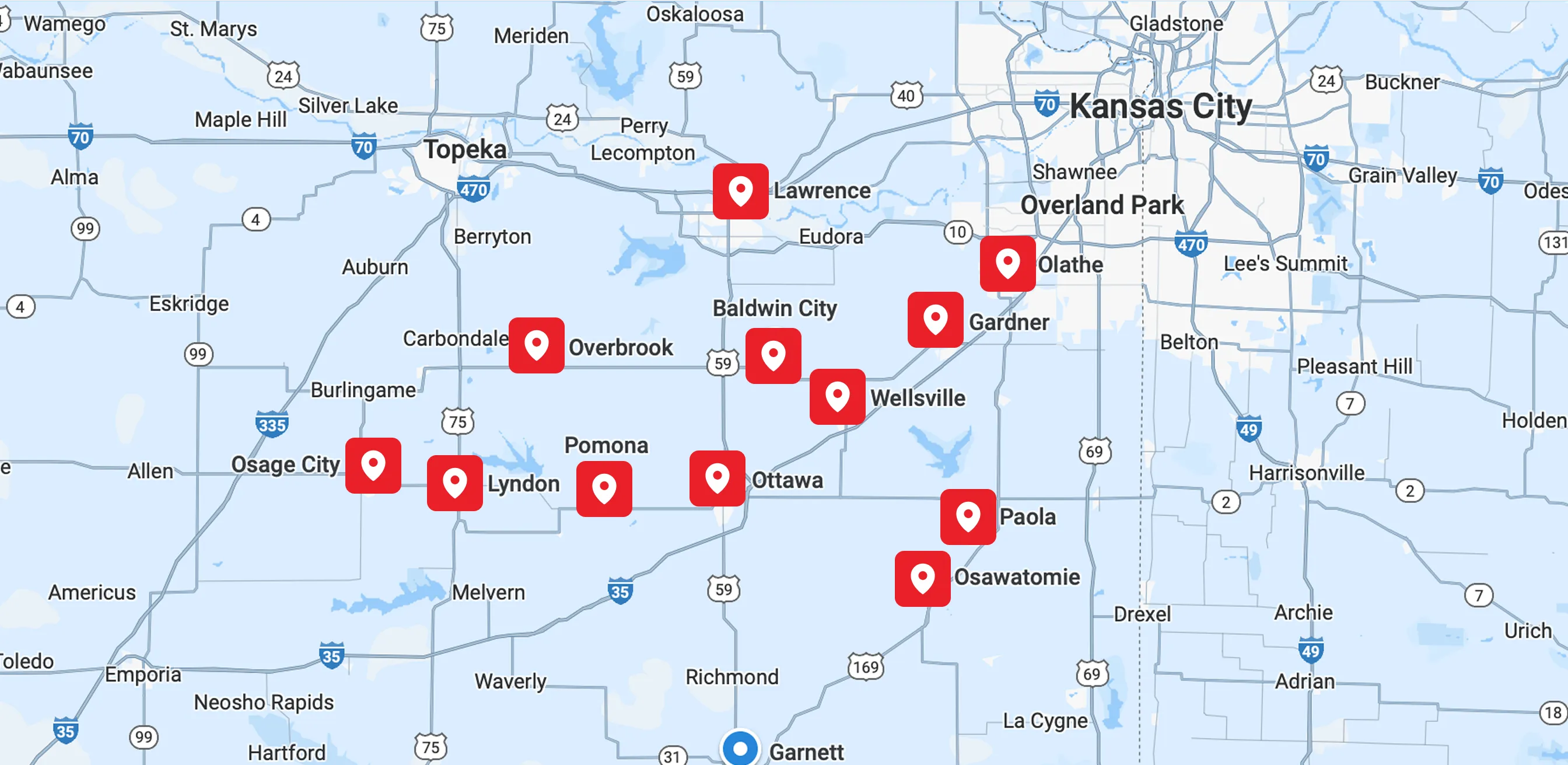
Service Areas