Tankless Water Heater Installation in Garnett, KS
All Seasons Air Conditioning and Heating explains professional tankless water heater installation in Garnett, KS, covering sizing, permits, and commissioning from start to finish. Learn how we determine the right system based on fuel type, your water heating needs, and the local climate. We detail how on-site evaluation and sizing are performed, and what to expect during installation, testing, and final inspections. We discuss electric versus gas options, required upgrades, venting and gas-line considerations, and maintenance steps to keep performance high and energy savings steady in eastern Kansas weather.
.webp)
Tankless Water Heater Installation in Garnett, KS
Upgrading to a tankless water heater can deliver continuous hot water, lower energy bills, and save space in Garnett, KS homes. This page explains what a professional tankless water heater installation in Garnett, KS includes, how we determine the right system for your house, what to expect during the project, and how to keep your new system running reliably in eastern Kansas weather.
Why choose tankless water heater installation in Garnett, KS
Garnett experiences cold winters and warm, humid summers. That seasonal swing affects incoming groundwater temperature and the hot water load your system must meet. A properly sized tankless unit eliminates standby heat loss from a storage tank and provides on-demand hot water for longer showers, laundry cycles, and appliance use. For households concerned about space, maintenance, or energy efficiency, tankless installation is often the logical next step.
Common tankless water heater service needs in Garnett, KS
- New installation for new construction or replacing an old tank system
- Conversion from electric tank to gas tankless, or vice versa
- Upgrades to gas line or electrical service to meet tankless requirements
- Installation of recirculation systems for instant hot water at fixtures
- Venting upgrades to meet code for high-efficiency or condensing units
- Permit acquisition and inspection coordination with city and county authorities
Initial on-site evaluation and sizing
A professional installation starts with an on-site evaluation. Key steps include:
- Reviewing current fuel source and capacity: natural gas, propane, or electrical panel limits
- Calculating required flow rate in gallons per minute (GPM) by listing simultaneous fixtures (showers, dishwasher, laundry)
- Estimating temperature rise: desired fixture temperature minus incoming water temperature. In Garnett winters, incoming water can be significantly cooler and increases the required capacity
- Determining venting options, clearances, and space constraints
- Inspecting existing gas lines, vent routes, and the electrical panel for upgrades
Sizing example: If you need two showers and a dishwasher running at the same time, your target flow might be 6 to 8 GPM. If incoming water drops to 45 to 50 degrees in winter and you want 120 degree water, the tankless unit must deliver a 70 to 75 degree temperature rise at that flow. A technician will perform these calculations and recommend models that match real-world demands.
Electric vs gas tankless systems
- Electric tankless: Simpler venting requirements, smaller footprint, but requires sufficient electrical capacity. Common in homes with adequate 240V service and panel space.
- Gas tankless (natural gas or propane): Higher flow and temperature rise performance, better for larger households. Requires proper venting and adequate gas line size and pressure.
Model selection depends on your home fuel availability, typical hot water demand, and budget for any necessary gas-line or electrical upgrades.
Venting, gas-line, and electrical upgrades
- Venting: Non-condensing models require metal venting; high-efficiency condensing models often use PVC or CPVC and need a condensate drain. Clearance, termination locations, and roof or wall penetration are reviewed during evaluation.
- Gas-line upgrades: Tankless gas units frequently need larger diameter lines or improved pressure. A licensed technician will measure inlet pressure and calculate pipe sizing to ensure reliable operation.
- Electrical upgrades: Electric tankless units require dedicated breakers and significant amperage. Many homes need a panel upgrade or new circuits to support an electric tankless system.
All upgrades are planned to meet local code and manufacturer requirements.
Permits, code compliance, and inspections
Professional installations include permit handling and coordination with local authorities. Installations must comply with state and local building codes, fuel gas codes, venting and combustion air requirements, and electrical codes. Permit acquisition and scheduling of inspections are part of the project scope to ensure safe, code-compliant operation.
Installation procedures and project timeline
Typical installation steps:
Expected timeline:
- Straight swap where venting and connections are compatible: typically completed in one day
- Installations requiring vent rerouting, new gas lines, or electrical panel work: commonly 1 to 3 days
- More complex retrofits or multi-unit homes may take longer depending on permitting and structural needs
All installations include site cleanup and proper disposal of the removed equipment.
Commissioning and performance testing
Proper commissioning verifies safe and efficient operation:
- Leak checks on water and gas connections
- Gas pressure and combustion analysis for gas units
- Flow and temperature verification at multiple fixtures
- Venting inspection for proper draft and termination
- Electrical checks for correct voltage and breaker protection
- Demonstration of controls and any remote thermostats or recirculation timers
Technicians will document these checks to ensure the system meets manufacturer specifications and local code.
Homeowner operation and maintenance instructions
To keep your tankless water heater performing well in Garnett, KS:
- Set temperature to a safe level (typically 120 degrees recommended) and understand minimum flow requirements for activation
- Flush and descale the heat exchanger every 6 to 12 months in areas with moderate to hard water; frequency depends on local water hardness
- Clean or replace inlet strainer and sediment filters annually
- Inspect condensate drain and vent terminations periodically for blockage
- Keep records of maintenance and service dates for warranty purposes
Regular maintenance prevents scale buildup that reduces efficiency and lifespan.
Benefits and long-term value
A correctly installed tankless water heater provides:
- Continuous hot water on demand
- Energy savings by eliminating standby losses
- Extended equipment life compared to traditional tanks with proper maintenance
- Smaller footprint and flexible installation locations
- Compatibility with recirculation options for faster hot water delivery
In Garnett, KS, where seasonal temperature variation affects incoming water temperature, sizing and professional installation are critical to realize these benefits reliably.
This overview describes the key elements of professional tankless water heater installation in Garnett, KS, from sizing and permitting to commissioning and homeowner care. A thoughtful site assessment and adherence to local codes make the difference between a marginal installation and a dependable, efficient hot water system tailored to your home.
Customer Testimonials
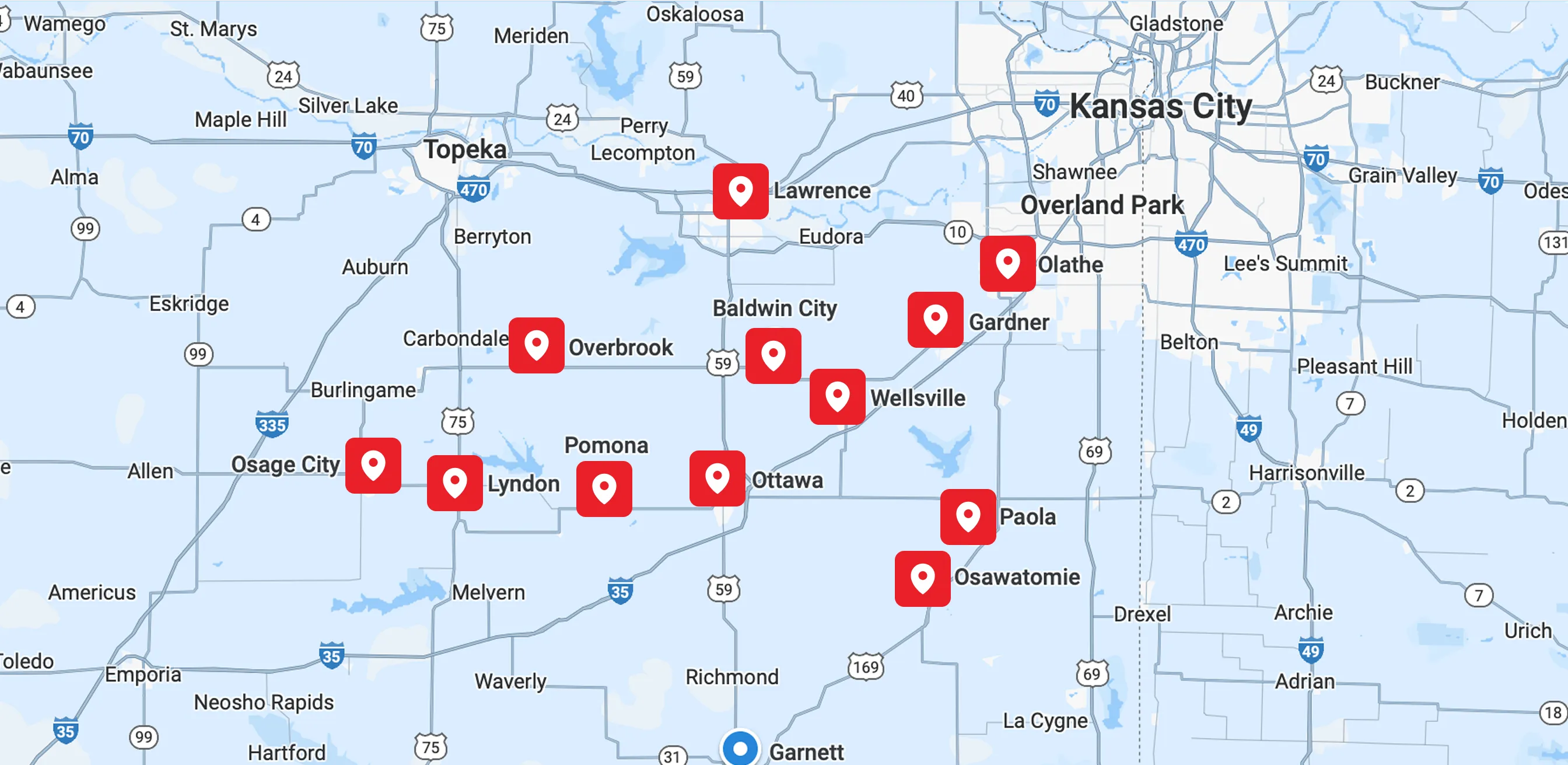
Service Areas