Whole House Humidifiers in Olathe, KS

This guide from All Seasons Air Conditioning and Heating explains how whole-house humidifiers integrate with your home’s HVAC system in Olathe, KS, to add controlled moisture during dry winters. We cover the main types (bypass, fan-powered, steam), sizing considerations, and what professional installation entails. We also outline routine maintenance, common troubleshooting, cost ranges, warranties, and maintenance plans. Our aim is to help homeowners select the right system, ensure reliable operation, and protect floors, woodwork, and health while improving winter comfort. It’s a practical read for informed decisions.
Whole House Humidifiers in Olathe, KS
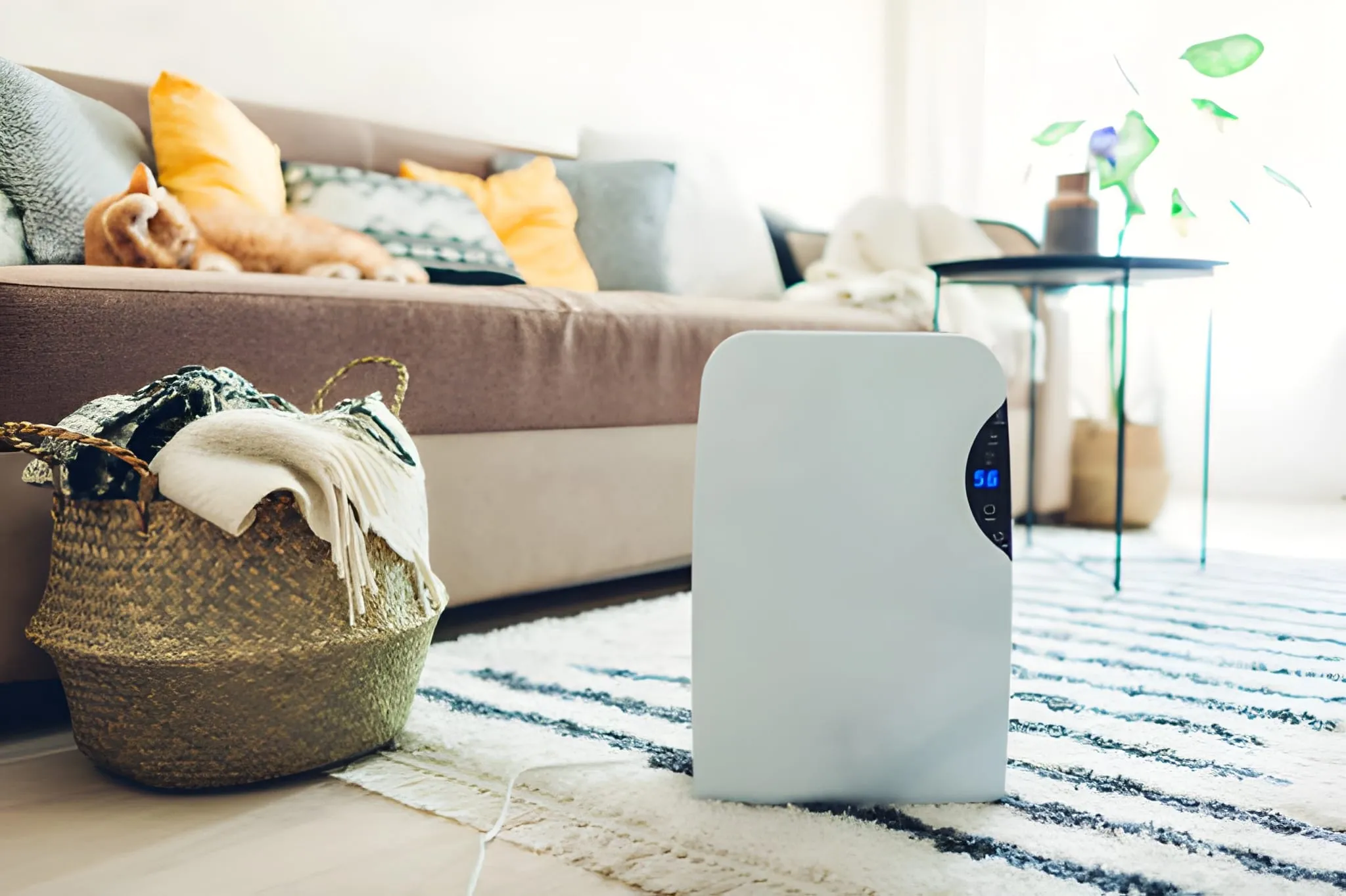
Dry winter air in Olathe can make your home feel colder, increase static electricity, dry out skin and sinuses, and stress wood floors and trim. Whole house humidifiers solve those problems by adding controlled moisture to the air your HVAC system circulates. This page explains how whole house humidification works, how to choose the right system for your home, what professional installation involves, routine maintenance, common issues and troubleshooting, and what to expect for costs, warranties, and maintenance plans in Olathe, KS.
How whole house humidifiers work
Whole house humidifiers connect to your home HVAC system and add moisture to the air delivered through your ducts. The main types are:
- Bypass humidifiers
- Operation: Use furnace blower pressure to draw warm, dry air through a water-soaked pad and return humidified air to the ductwork.
- Pros: Quiet, energy efficient, lower cost to install.
- Cons: Performance depends on furnace blower; less effective in homes with zoned or variable-speed blowers without proper controls.
- Fan-powered humidifiers
- Operation: Include a small fan that forces air across the wet pad, producing more moisture independent of furnace airflow.
- Pros: Stronger output, works well on larger homes or when furnace blower runs intermittently.
- Cons: Slightly louder and usually higher upfront cost.
- Steam humidifiers
- Operation: Electrically generate steam that is injected directly into the duct or air handler, providing rapid, precise humidity control.
- Pros: Best for very dry climates, tight homes, or high-demand situations; precise control and fast response.
- Cons: Highest cost, more electrical requirements, and more maintenance in hard water areas.
Sizing and selecting the right system for your Olathe home
Selecting the correct size and type depends on several factors:
- Home square footage and ceiling height
- Building tightness and insulation levels
- The HVAC system type and duct layout
- Number of occupants and lifestyle (babies, elderly, allergy sufferers)
- Local winter conditions in Olathe (cold, dry winter months may require higher humidification capacity)
- Available water supply and hardness
A rule of thumb is to target indoor relative humidity of 35 to 45 percent in winter for comfort and to avoid condensation on windows. A professional assessment will calculate required moisture output (in gallons per day) and match it to a bypass, fan-powered, or steam unit sized for your house.
Professional installation and HVAC integration
Proper installation ensures performance, reliability, and system longevity. Typical professional steps include:
Steam units may require a dedicated electrical circuit and more frequent service. Bypass units require correct ductwork and bypass sizing to avoid airflow restrictions.
Routine maintenance and filter/pad replacement
Maintenance keeps performance steady and prevents mold, odors, and mineral buildup:
- Replace evaporative pads or filters at least once per heating season; frequency depends on water quality and use.
- Annual cleaning of the humidifier housing, water lines, and drain to remove scale and biofilm.
- Inspect and clean the humidistat and any condensate traps.
- For homes with hard water, consider a descaling schedule or water treatment to prevent rapid mineral clogging.
- Steam humidifiers typically need more frequent cleaning and replacement of electrodes or cartridges.
Many Olathe homeowners include humidifier care in their HVAC maintenance plan to ensure pads are changed and the system is checked before winter.
Troubleshooting common whole house humidifier issues
Common problems and quick diagnostics for Olathe homes:
- No humidity output: Check water supply shutoff, clogged pad, closed bypass damper, or humidistat settings. Ensure furnace fan runs when humidification is expected.
- Over-humidification or condensation on windows: Lower the humidistat setting, use outdoor temperature-based control or an automatic humidistat with outdoor sensor.
- White dust or mineral deposits: Usually caused by hard water. Use distilled water feed, install water softening, or switch to a steam unit with scale management.
- Odors or mold: Stop operation and clean unit; ensure drain is clear and pad replaced. Poor airflow or a stagnant drain fosters microbial growth.
- Leaks: Check plumbing connections and drain fittings. Replace cracked housings or seals.
- Noise: Fan-powered units will be slightly louder; rattles often indicate loose mounting or ductwork contact.
Health, comfort, and home protection benefits
Whole house humidification provides measurable benefits in Olathe homes:
- Reduces dry skin, sore throats, and nosebleeds common during winter.
- Helps reduce static electricity and protect electronics and clothing.
- Preserves wood floors, trim, cabinets, and musical instruments by reducing cracking and shrinkage.
- Improves perceived warmth so you may be comfortable at a lower thermostat setting, improving heating efficiency.
- Can ease respiratory discomfort for allergy and asthma sufferers by keeping mucous membranes moist.
Cost estimates, warranties, financing, and maintenance plans
Typical installed cost ranges in Olathe (varies by home complexity):
- Bypass humidifier: $800 to $1,800 installed
- Fan-powered humidifier: $1,200 to $2,500 installed
- Steam humidifier: $2,000 to $5,000 or more, especially when electrical upgrades are required
Ongoing costs include seasonal pads or filters ($30 to $150), and annual cleaning or service. Manufacturer warranties commonly cover parts for 1 to 5 years; installation labor warranties vary by contractor. Many local HVAC providers in Olathe offer financing through third-party lenders and maintenance plans that bundle seasonal checks, pad replacements, and priority service—plans often start in the low hundreds per year depending on inclusions.
Frequently asked questions
- How long does installation take?
- Most installations take 2 to 6 hours for bypass or fan units; steam units can take longer due to electrical work.
- Will a humidifier cause mold?
- If incorrectly sized or set too high, excess humidity can lead to condensation and mold. Proper sizing, controls, and placement prevent this.
- Can I add a humidifier to a heat pump or ductless system?
- Yes, with the right integration. Ductless systems may require a remote or standalone solution; consult a technician for options.
- How often should I change the pad?
- Replace evaporative pads annually or sooner with heavy use or hard water.
- What is the ideal indoor humidity in winter?
- 35 to 45 percent is a safe range to balance comfort and condensation risk in Olathe winters.
- Do humidifiers increase energy bills?
- Running a humidifier has a modest energy draw; added comfort often lets you lower thermostat settings and offset cost.
Whole house humidification is a practical upgrade for Olathe homes that improves comfort, protects your property, and supports better health during cold, dry months. Proper selection, professional installation, and seasonal maintenance will ensure reliable performance and long-term value.
Customer Testimonials
Service Areas