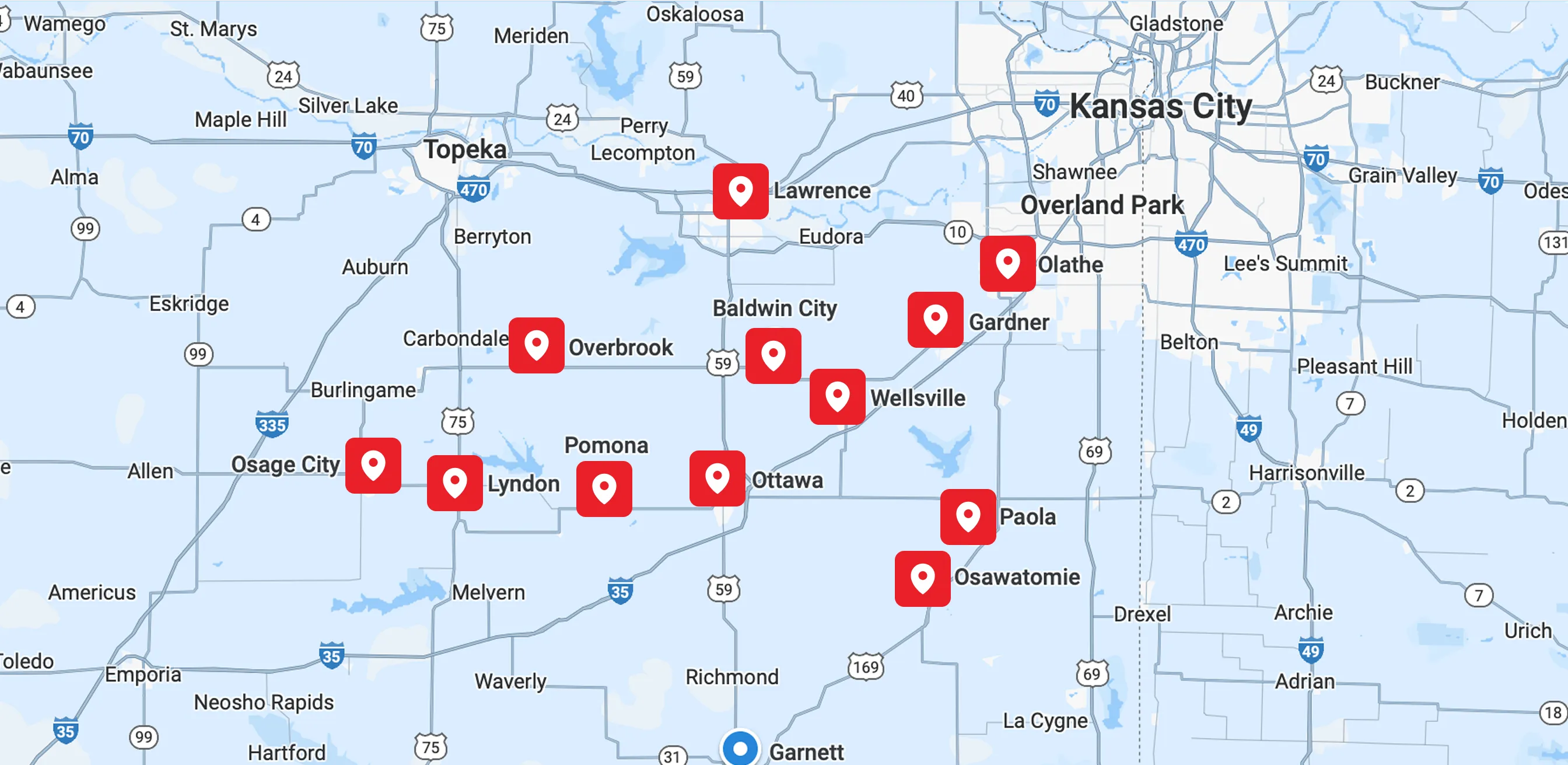
Air Purification in Paola, KS
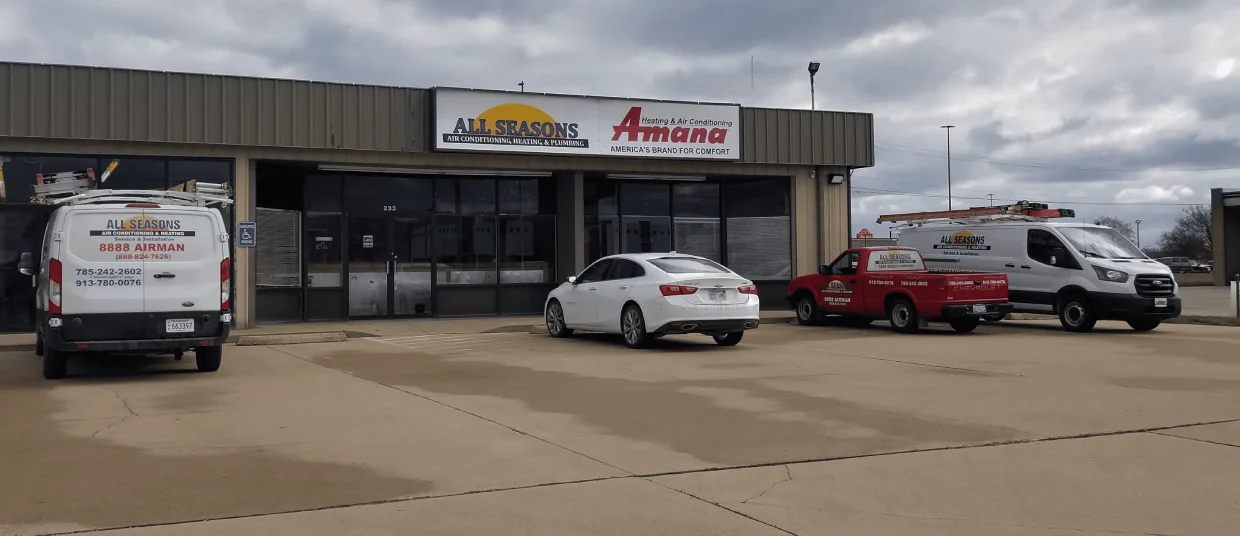
Paola, KS homeowners can truly improve indoor air quality with comprehensive purification options from All Seasons Air Conditioning and Heating, including true HEPA, activated carbon, UV-C, and electronic cleaners, tailored for whole-home or room-level use. Our guide covers how each system integrates with existing HVAC, sizing guidance based on CADR/ACH, and maintenance schedules. We highlight health benefits like reduced allergies and better sleep, review common brands and warranties, and outline financing and maintenance plans to support professional installation and ongoing upkeep for Paola homes.
.jpeg)
Air Purification in Paola, KS
Indoor air quality is one of the fastest ways to improve health, comfort, and indoor comfort in Paola, KS homes. Between spring and summer pollen, agricultural dust, humid-season mold growth, and occasional smoke from prescribed burns or regional wildfires, many households face pollutants that ordinary HVAC filters do not fully remove. Whole-home and room-level air purification systems—HEPA, activated carbon, UV, and electronic cleaners—offer targeted solutions. This page explains how each option works, how systems integrate with existing HVAC equipment, installation and sizing guidance, health benefits, maintenance schedules, available brands and warranties, and typical financing and maintenance plan structures relevant to Paola residents.
Common indoor air problems in Paola, KS
- Seasonal pollen and grass allergens in spring and early summer
- Fine dust and soil from nearby agricultural activity or yard work
- Increased humidity in summer that promotes dust mite and mold growth
- Pet dander and household particles year-round
- Smoke and odors from prescribed burns or distant wildfires during dry periods
Types of air purification systems and what they treat
- True HEPA filtration (whole-home or portable): Removes 99.97% of particles 0.3 microns and larger. Best for pollen, dust, pet dander, and smoke particles. Whole-home HEPA requires special in-duct housings or bypass designs; portable units work room-by-room.
- Activated carbon filters: Adsorb odors, volatile organic compounds (VOCs), and some chemical gases. Often paired with HEPA to tackle both particles and smells.
- UV-C germicidal lamps: Installed in-duct near the evaporator coil or in standalone air purifiers. Help reduce microbial growth on coils and can inactivate certain bacteria and viruses that pass close to the lamp. UV effectiveness depends on exposure time and lamp placement.
- Electronic air cleaners / ionizers: Use electrostatic charge to remove particles. Can be effective for fine particles but require regular cleaning of collector plates and may produce trace ozone if not properly designed.
- Hybrid systems: Combine two or more technologies (HEPA + carbon, HEPA + UV) for broader protection.
Whole-home vs room-level solutions
- Whole-home (in-duct) systems: Treat all airflow through your forced-air HVAC. Best for full-house coverage and convenience. Consider this if you want consistent protection in every room, have central HVAC, and are prepared for professional installation and occasional pressure-drop considerations.
- Room-level (portable) purifiers: Ideal for bedrooms, nurseries, or living areas where occupants spend most time. Portables are flexible, require no ductwork modifications, and are sized by CADR and room volume.
How systems integrate with existing HVAC
- In-duct HEPA requires a dedicated HEPA filter housing or conversion to a bypass system because true HEPA media adds significant airflow resistance. Buildings with older furnaces or undersized blowers may need blower upgrades or static pressure evaluation.
- UV lamps are typically mounted on the return side or at the coil to prevent biological growth and improve coil efficiency. They have minimal impact on airflow.
- Electronic cleaners are mounted in the return plenum; they need periodic plate cleaning and proper grounding for safety.
- Activated carbon can be installed as a media panel in-duct or as a cartridge in portable units.
A qualified HVAC assessment will check static pressure, blower capacity, duct sealing, and filter access before recommending whole-home installations.
Sizing guidance and performance metrics
- For room purifiers, use CADR and ACH:
- Calculate room volume: length x width x height = cubic feet.
- Desired air changes per hour (ACH) for allergy and smoke control: 4 to 6 ACH is a common target.
- Required CADR (cfm) = room volume x ACH / 60.
- Example: 15 ft x 20 ft x 8 ft = 2400 cu ft. For 4 ACH: CADR = 2400 x 4 / 60 = 160 cfm.
- For whole-home systems, sizing focuses on MERV or HEPA compatibility with your furnace/air handler, blower CFM capacity, and ductwork layout. Whole-home systems should be specified by a technician who will measure static pressure and recommend prefilters to protect HEPA media.
- Consider multi-stage filtration: a prefilter (MERV 8-11) to capture large particles, followed by HEPA or high-MERV media, then activated carbon for odors and VOCs.
Health and allergy-related benefits
- Reduced allergy symptoms: Lower indoor pollen, mold spores, and dust mite fragments reduce exposure for allergy sufferers in Paola homes.
- Fewer asthma triggers: Removing fine particulates and irritants helps minimize asthma flare-ups.
- Cleaner indoor air during smoke events: True HEPA filtration and activated carbon can significantly reduce smoke particles and related odors.
- Improved sleep and comfort: Cleaner bedrooms reduce nighttime allergen exposure, supporting better rest.
Maintenance and filter replacement schedules
- Prefilters (MERV 8-11): inspect monthly; replace every 3 months or as needed in high-dust seasons.
- Whole-home true HEPA media: typically replaced every 12 to 24 months depending on load and prefilter performance. Homes with heavy pollen or smoke may require more frequent replacement.
- Portable HEPA filters: replace every 6 to 12 months depending on usage, model, and air quality.
- Activated carbon filters: 3 to 6 months for heavy odor/VOC loads; up to 12 months in lower-use situations.
- UV-C lamps: replace annually (9 to 12 months) to maintain germicidal output. Clean lamp sleeves per manufacturer guidance.
- Electronic air cleaner plates: clean every 1 to 3 months; inspect for wear annually.
- Annual HVAC and duct inspection: check sealing, blower operation, and verify filtration performance before high-pollen seasons.
Brands, components, and warranties
- Common, reputable brands used in residential purification solutions include Aprilaire, Honeywell, Lennox, Amana, Trane, IQAir, Blueair, RGF, and Panasonic. Portable purifiers and in-duct media housings vary by brand and model.
- Warranties typically vary by component: electronics and UV lamps often carry 1 to 2 year warranties, housings and whole-system components commonly 1 to 5 years. Filter warranties are not typical, but OEM filter availability and compatibility should be confirmed.
Financing and maintenance plan options for Paola homeowners
- Financing options often include monthly payment plans through third-party lenders, sometimes with promotional interest rates or extended terms for equipment upgrades (whole-home HEPA housings, blower replacements).
- Maintenance plans commonly bundle twice-yearly HVAC inspections, filter changes, priority scheduling, and discounts on parts and labor. For air purification, plans may include scheduled filter replacements and annual UV lamp swaps.
- For older Paola homes with leaky ductwork or undersized blowers, a combined approach that includes duct sealing or blower upgrades may be recommended; such projects are frequently eligible for financing as part of an equipment upgrade package.
Final considerations
Choosing the right air purification solution in Paola, KS depends on your primary concerns (allergies, smoke, odors, microbial growth), home HVAC configuration, and whether whole-house coverage or targeted room treatment is preferred. A professional assessment that measures airflow, static pressure, and duct condition will yield the most reliable recommendation and sizing. Proper installation and adherence to maintenance schedules are essential to get the full health and efficiency benefits of any system. Regular filter replacements, annual UV lamp changes, and routine cleaning of electronic units will keep indoor air at its best through Paola’s pollen seasons, humid summers, and colder months indoors.
Customer Testimonials
Service Areas