HVAC Repair in Eudora, KS
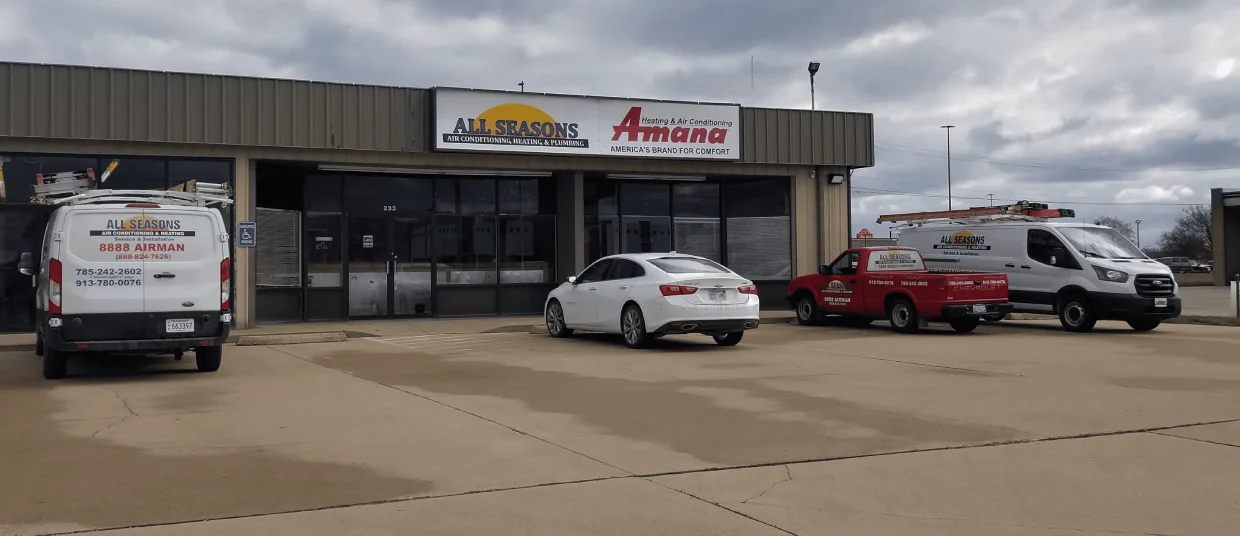
When your heating or cooling system fails in Eudora, KS, the consequences are immediate: uncomfortable living spaces, potential spoiled inventory for businesses, and safety hazards during extreme weather. All Seasons Air Conditioning and Heating provides focused HVAC repair in Eudora, KS, with fast troubleshooting, emergency response, and experienced technicians who truly understand local climate stresses. Whether it's a home air conditioner that can't keep up during humid Kansas summers or a commercial refrigeration unit losing temperature, professional diagnosis and timely repair protect your comfort, safety, and operating budgets.
-min.jpeg)
Common HVAC and commercial refrigeration problems in Eudora, KS
- Air conditioners not cooling or short-cycling — often caused by dirty coils, low refrigerant, failed capacitors, or restricted airflow from clogged filters and duct issues.
- Furnace failures or intermittent heating — common causes include failed igniters, clogged burners, faulty limit switches, or cracked heat exchangers after years of use.
- Heat pump issues in shoulder seasons — outdoor coil icing, reversing valve failures, and compressor problems due to frequent mode changes when temperatures fluctuate.
- Commercial refrigeration faults — compressor failures, leaking refrigerant, blocked condensers, defrost control failures, broken door gaskets, or controller faults that risk inventory loss.
- Electrical problems and safety concerns — tripped breakers, bad contactors, or wiring faults that can cause system shutdowns or present fire risk, often after storm-related power events.
- System performance declines — reduced airflow from duct leaks, poorly sized equipment, or thermostat calibration problems that lead to uneven temperatures and higher energy bills.
Local factors that increase failure risk in Eudora homes and businesses include hot, humid summers that strain AC compressors and frequent spring pollen and dust that clog filters and coils.
Diagnostic process and fast troubleshooting
- Emergency triage: For urgent calls All Seasons assesses safety issues immediately, such as gas leaks, electrical burning smells, or complete loss of heat in freezing conditions. Technicians perform a quick safety isolation and stabilization before deeper diagnostics.
- System inspection: A full diagnostic includes visual checks, airflow measurements, thermostat verification, compressor and motor testing, and electrical component testing with meters. For refrigeration, temperature logs and pressure readings are taken.
- Refrigerant and leak detection: Technicians use electronic leak detectors and pressure testing to locate refrigerant loss. All refrigerant handling is performed only by EPA-certified technicians in accordance with federal regulations.
- Combustion and venting checks: For furnaces, specialists perform combustion analysis, inspect flue integrity, and test for carbon monoxide risk when applicable.
- Reporting and options: After diagnosis technicians describe repair needs in plain language, list on-site fix options, and explain likely outcomes and timelines.
Typical on-site repairs and solutions
- Electrical part replacements: capacitors, contactors, relays, and breakers are commonly swapped on the same visit when stocked.
- Refrigerant repairs: leak repair and recharge or recovery as required, using approved refrigerant types and EPA-compliant procedures.
- Motors and blowers: blower motor replacements, belt changes, and fan assemblies to restore airflow.
- Compressor and condensing unit repairs: where possible technicians perform on-site component swaps; larger compressor or matched-system replacements may require ordering OEM parts.
- Furnace repairs: igniter or control board replacement, limit switch and gas valve repair, or heat exchanger evaluation and mitigation if needed.
- Commercial refrigeration services: compressor start relay replacement, evaporator coil cleaning, door gasket replacement, defrost control and thermostat repair.
Technicians carry common parts and tools to complete many repairs during the first visit. When specialized parts are required, technicians provide an estimated lead time and interim measures to protect comfort or inventory.
Estimated repair timelines
- Diagnostic visit: 30 to 90 minutes depending on accessibility and system complexity.
- Minor repairs: 1 to 3 hours for parts like capacitors, starters, thermostats, belts, or simple motor swaps.
- Moderate repairs: 3 to 6 hours for refrigerant recovery and leak repair, condenser fan motor or blower motor replacements, or control board swaps.
- Major repairs or matched-system replacements: same day to several days, depending on part availability and whether specialized components must be ordered from the manufacturer.
- Commercial refrigeration emergencies: technicians prioritize business losses; many critical repairs are completed within hours, with temporary measures applied when permanent parts are delayed.
Timelines vary with system age, model, weather conditions, and whether OEM parts are required.
Warranty and parts information
- OEM vs aftermarket parts: Using manufacturer original equipment parts preserves warranties and maintains system efficiency. All Seasons commonly works with Amana OEM components for Amana systems and advises on best-fit options when replacements are needed.
- Parts and labor warranties: Warranty durations vary by manufacturer and part. Technicians outline warranty coverage for any replaced component and provide documentation of work performed. Some manufacturers require registration of new equipment for full warranty benefits.
- Records and recommendations: Keeping service records and following recommended maintenance schedules helps preserve manufacturer warranties and simplifies any future claims.
Technician qualifications and safety standards
All Seasons Air Conditioning & Heating staffs EPA-certified technicians trained to handle refrigerants and compliant with federal handling rules. Many technicians have completed comfort advisor training, associate degrees, or hold master mechanical certificates, with specialized experience on Amana products. Safety protocols include gas leak testing, carbon monoxide checks, electrical safety practices, and adherence to local building and mechanical codes.
Emergency vs scheduled repairs in Eudora, KS
- Emergency scenarios: Complete loss of heat in freezing weather, AC failure during extreme heat, active refrigerant leaks, fire or burning odor, or refrigeration failures threatening perishable inventory qualify as emergencies. Emergency response focuses on safety, stabilization, and fast restoration.
- Scheduled repairs and maintenance: Non-urgent issues like minor performance declines, noisy equipment, or recommended seasonal tune-ups are handled on scheduled appointments to allow full diagnostics and parts planning. Regular maintenance reduces the likelihood of emergency breakdowns in the Eudora climate.
Preventive maintenance tips for Eudora homes and businesses
- Schedule spring AC and fall furnace tune-ups to catch wear and keep systems efficient in Kansas seasonal extremes.
- Replace or clean filters regularly, especially during high pollen seasons in spring.
- Keep outdoor condensers clear of debris and ensure proper airflow around units.
- Seal and insulate ducts to prevent efficiency losses and uneven temperatures.
- For businesses, keep refrigeration door gaskets tight and maintain temperature logs to detect early performance trends.
Q: How quickly can a technician respond to an HVAC emergency in Eudora, KS?
A: Emergency response time varies with call volume and location; technicians prioritize safety issues and critical refrigeration failures and perform immediate stabilization when needed.
Q: Are your technicians certified to handle refrigerants?
A: Yes. All refrigerant work is performed by EPA-certified technicians in compliance with federal regulations.
Q: Will you use Amana parts for my Amana system?
A: Technicians recommend and install OEM Amana parts when available to maintain manufacturer specifications and warranty coverage.
Q: What should I expect during a diagnostic visit?
A: Expect a safety check, system testing, airflow and pressure measurements, and a plain-language explanation of findings with repair options and estimated timelines.
Customer Testimonials
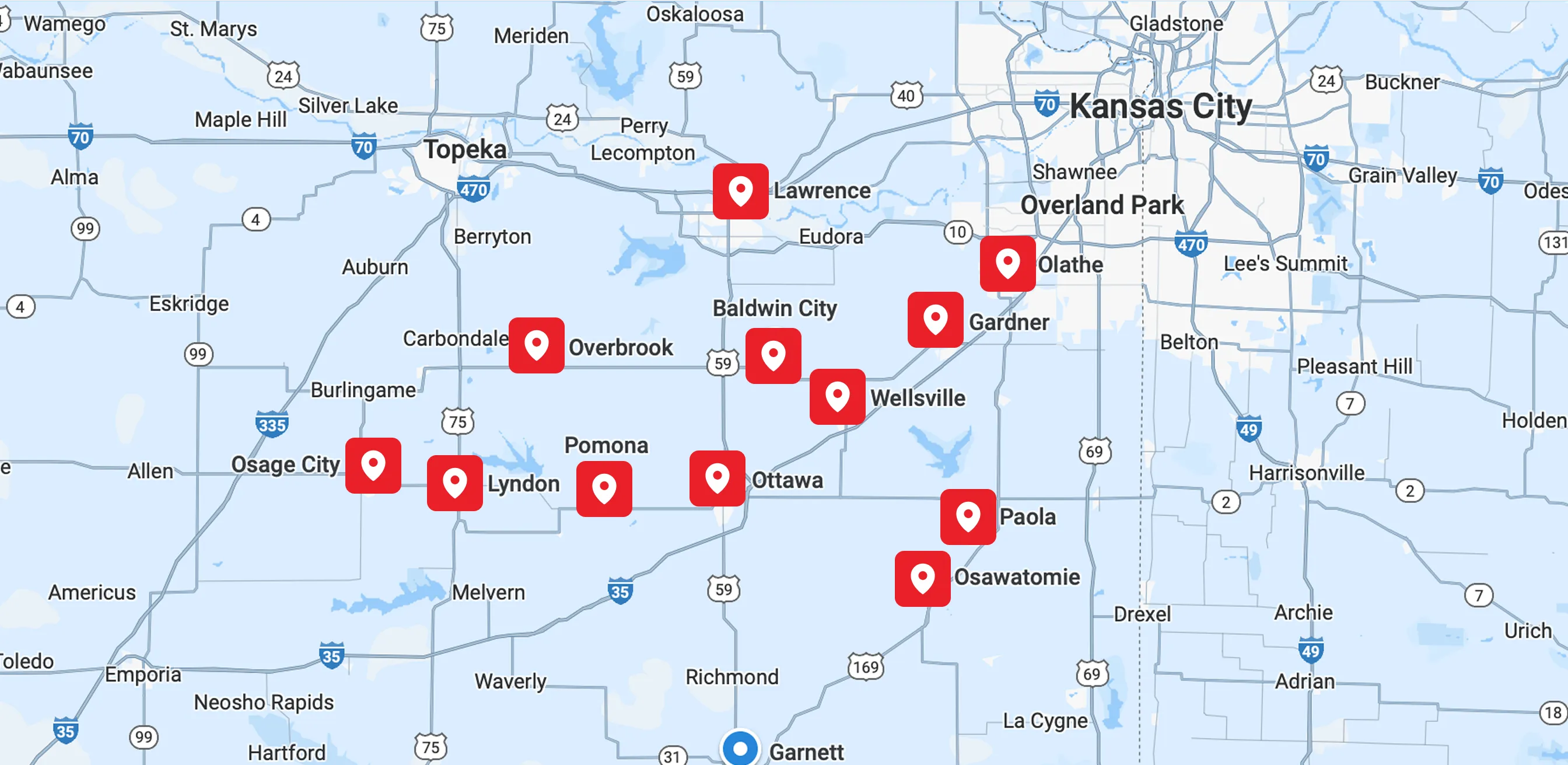
Service Areas