HVAC Maintenance in Williamsburg, KS
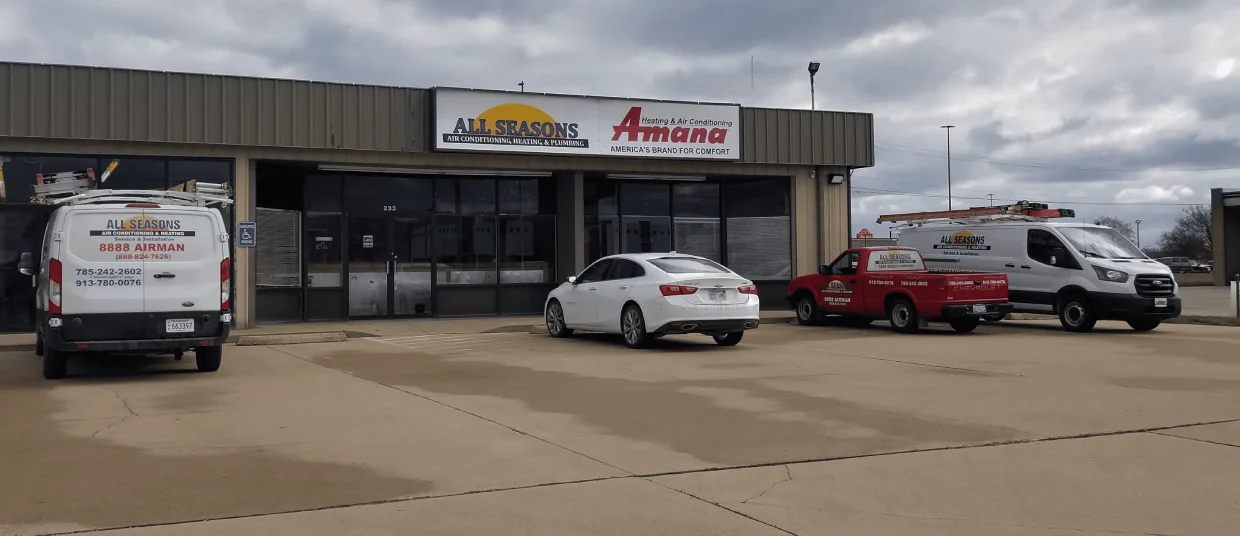
Keeping your heating and cooling systems running reliably in Williamsburg, KS, means planning maintenance around our hot, humid summers and cold, drying winters. Regular HVAC maintenance reduces emergency repairs, keeps energy bills predictable, and extends equipment life. All Seasons Air Conditioning and Heating brings local experience to routine tune-ups, inspection checklists, filter programs, and membership plans specifically tailored to Williamsburg homes and small businesses.
-min.webp)
Why local HVAC maintenance matters in Williamsburg, KS
Williamsburg experiences humid summers that make air conditioners work harder and encourage coil and condensate issues. Winters can be cold enough to stress older furnaces and heat pumps while low indoor humidity affects comfort and system performance. Rural and older homes in the area often have unique duct layouts, attic insulation challenges, or aging equipment that benefit most from regular, region-aware maintenance.
Common HVAC maintenance issues in Williamsburg, KS
- Reduced cooling during peak summer due to dirty coils, low refrigerant, or restricted airflow.
- Furnace short-cycling or weak heat output in winter from clogged burners, dirty filters, or draft problems.
- Condensate drain clogs and overflow from pollen and grime during spring and summer.
- Increased indoor dust and allergies because of poor filtration or leaky ductwork.
- Thermostat calibration drift after seasonal temperature swings.
- Worn belts, bearings, or electrical connections that can cause unexpected failures.
What a seasonal tune-up typically includes
A professional seasonal tune-up is a multi-point inspection and service procedure that targets performance, safety, and efficiency.
Air conditioner / heat pump checklist:
- Visual inspection of exterior unit, fan blades, and cabinet for debris and damage.
- Clean and inspect condenser coils and evaporator coils where accessible.
- Check refrigerant levels and look for signs of leaks.
- Inspect and clean condensate drains and pans to prevent clogs.
- Test compressor and fan motor operation and amperage.
Furnace checklist:
- Inspect burners, pilot assembly or ignition system, and combustion chamber.
- Clean or inspect flame sensor and heat exchanger for cracks.
- Test safety controls, limit switches, and pressure switches.
- Verify proper venting and combustion air openings.
- Lubricate moving parts and check blower motor operation.
Both systems:
- Measure airflow and static pressure where practical.
- Test thermostat operation and calibrate if needed.
- Inspect electrical connections, capacitors, and contactors.
- Verify system cycle counts and run-time diagnostics.
Filter replacement best practices
- Use the highest efficient filter compatible with your system; many Williamsburg homes use 1 inch filters while some systems accept thicker media filters.
- Replace basic 1 inch filters every 30 to 90 days depending on occupancy, pets, and pollen levels.
- Consider 4 to 5 inch pleated filters or upgraded media filters for improved indoor air quality and longer service intervals, with technician guidance on any added airflow restrictions.
- Record filter changes during each maintenance visit so filter history is tracked and optimized for local conditions.
Performance and safety checks
Technicians perform tests that go beyond cleaning:
- Confirm proper refrigerant charge for peak cooling efficiency.
- Measure temperature split across evaporator coil to identify airflow or coil issues.
- Test carbon monoxide and combustion safety on fossil fuel furnaces.
- Verify that safety interlocks and shutoffs operate correctly to protect occupants and equipment.
- Check ductwork for leaks or disconnections that lower comfort and raise energy costs.
Benefits of preventive HVAC maintenance
- Improved energy efficiency and lower utility bills by keeping systems tuned to factory specifications.
- Increased reliability and fewer urgent repairs during extreme weather.
- Longer equipment lifespan through reduced wear and early detection of issues.
- Safer operation, especially for combustion appliances prone to CO risks.
- Better indoor air quality and comfort consistency throughout the home or business.
- Documentation of regular service, which may help warranty compliance and resale value.
Residential and commercial maintenance clubs
All Seasons Air Conditioning & Heating offers membership programs designed for both homeowners and commercial clients in Williamsburg. Typical member benefits include scheduled seasonal visits, prioritized service response during busy periods, and member discounts on repairs and parts. Residential plans generally include at least two visits per year to cover both cooling and heating seasons, with filter changes and mechanical inspections performed as part of the agreement. Commercial plans can be tailored from biannual cleanings and filter programs to quarterly service for refrigeration and high-use systems.
How technicians diagnose and resolve issues
A typical diagnostic flow:
When to schedule maintenance in Williamsburg
- Schedule air conditioning tune-ups in late spring before hot, humid weather arrives.
- Schedule heating inspections in early fall to ensure furnaces and heat pumps are ready for cold snaps.
- If your home is near wooded areas or experiences heavy pollen, consider an additional spring visit to address condensate and coil cleanliness.
Practical tips to maximize maintenance benefits
- Keep outdoor units clear of vegetation, debris, and stored items to preserve airflow.
- Seal and insulate attic doors and ducts to reduce heat transfer and improve system efficiency.
- Use programmable or smart thermostats to reduce unnecessary run-times and track system performance.
- Note unusual noises, odors, or cycling behavior and share those details during service visits for faster diagnostics.
FAQs
Q: How often should I schedule HVAC maintenance in Williamsburg, KS?
A: Schedule at least two professional tune-ups per year—once for cooling and once for heating—plus filter changes as recommended by your technician or based on filter type and local pollen conditions.
Q: Does maintenance help prevent emergency repairs during heat waves or cold snaps?
A: Yes. Preventive maintenance identifies worn parts, airflow restrictions, and safety issues before extreme weather stresses the system, reducing the likelihood of failures.
Q: Will maintenance affect my equipment warranty?
A: Regular, documented maintenance performed by a qualified technician often satisfies manufacturer requirements for warranty coverage. Keep records of all visits for warranty support.
Q: Are thicker filters always better for indoor air quality?
A: Thicker pleated or media filters typically capture more particles, but they can restrict airflow if your system is not compatible. A technician can recommend the best filter type for your equipment and indoor air needs.
Q: Can maintenance improve my utility bills?
A: Yes. Proper refrigerant charge, clean coils, correct airflow, and efficient burner operation all help systems run closer to their designed efficiency, which lowers energy consumption.
Customer Testimonials
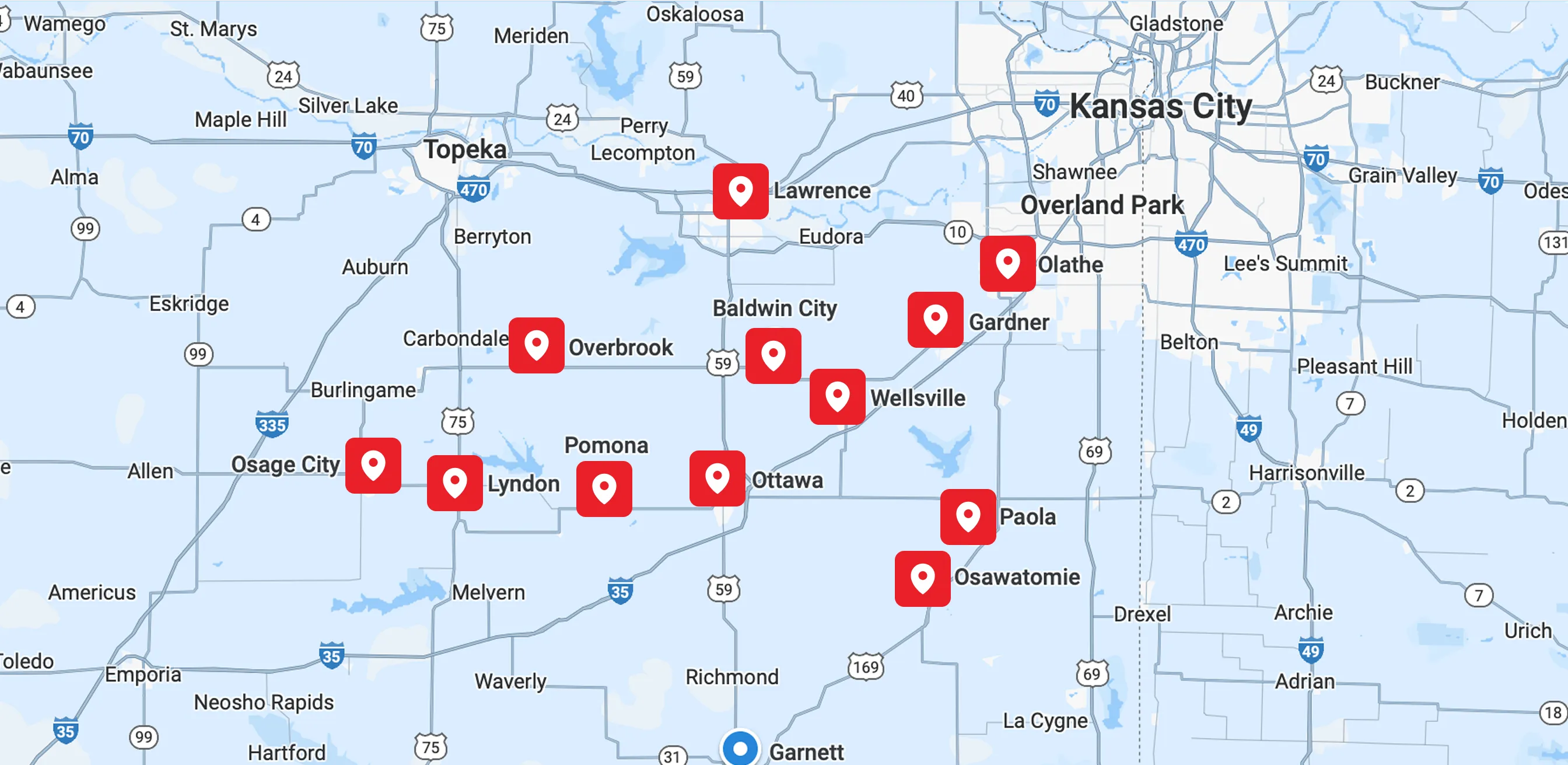
Service Areas