HVAC Maintenance in Rantoul, KS
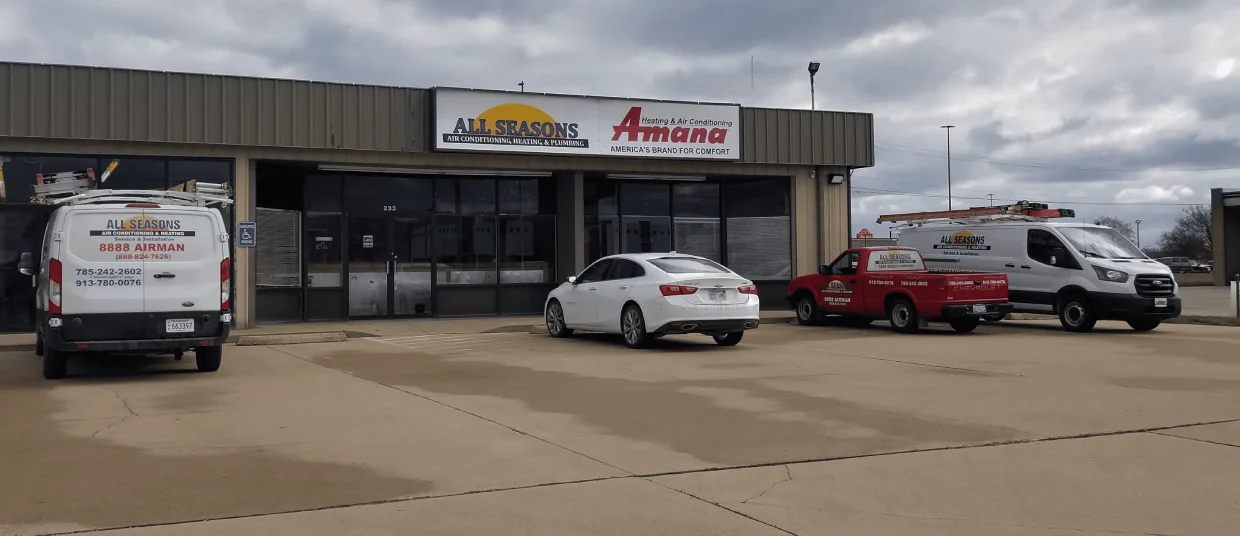
Proper HVAC maintenance is one of the most cost-effective ways to keep your home or business comfortable year-round in Rantoul, KS. Regular preventive service from All Seasons Air Conditioning & Heating reduces breakdowns during extreme summer heat and cold snaps, improves indoor air quality, and helps older systems last their expected lifespan. We provide tailored residential and commercial maintenance programs designed around our local climate patterns, seasonal needs, and common regional challenges like agricultural dust and spring pollen.
.jpeg)
Why maintenance matters in Rantoul, KS
Rantoul experiences hot, humid summers and chilly winters with rapid temperature swings in spring and fall. These conditions place stress on cooling and heating systems, accelerating component wear and increasing the risk of refrigerant loss, coil corrosion, and airflow restrictions caused by pollen or field dust. Regular maintenance keeps equipment running safely and efficiently when you need it most and helps prevent emergency repairs that are more common in small communities during peak weather.
Residential and commercial preventive maintenance programs
Both residential and commercial properties benefit from preventive maintenance, but each has different priorities:
Residential
- Twice-yearly tune-ups timed for spring (air conditioning) and fall (heating) to prepare systems for heavy use.
- Filter inspections and replacements sized to your system.
- Safety checks for furnaces and gas-fired equipment.
- Airflow and thermostat calibration to keep living spaces comfortable and energy use predictable.
Commercial
- Flexible schedules: twice yearly, quarterly, or customized to operational demands.
- Filter management for higher-occupancy spaces and retail or office environments.
- Refrigeration and rooftop unit inspections for restaurants, shops, and light industrial sites.
- Documentation and service logs to support building maintenance plans.
Seasonal tune-up tasks you can expect
A comprehensive seasonal tune-up addresses both performance and safety. Typical tasks include:
- Cleaning evaporator and condenser coils to restore heat transfer efficiency.
- Checking refrigerant charge and inspecting for leaks to maintain cooling capacity.
- Inspecting and testing electrical connections, capacitors, relays, and contactors for safe operation.
- Testing safety controls and limit switches on furnaces and heat pumps.
- Lubricating motors and moving parts where applicable to reduce wear.
- Cleaning and testing condensate drains to prevent overflow and microbial growth.
- Verifying thermostat operation and recalibrating for accurate control.
- Replacing or confirming proper filter type and fit to protect equipment and indoor air quality.
- Inspecting ductwork for obvious leaks, blockages, or disconnected runs.
- Measuring system airflow and static pressure to detect hidden restrictions.
What happens during a maintenance visit
Technicians follow a diagnostic run-through that starts with visual inspection and testing, moves to cleaning and adjustments, and ends with a performance check. Equipment is powered on to measure operating pressures, temperatures, and electrical draw. Any abnormal readings are documented and explained in clear, non-technical terms, with recommended next steps to restore peak performance. For commercial clients, service visits can include written reports and recorded metrics useful for building maintenance records.
Membership benefits and what a maintenance plan includes
Membership programs offer predictable care and advantages for property owners who prefer preventive scheduling. Typical membership benefits include:
- Priority scheduling for service visits and reduced wait times during peak seasons.
- Planned, recurring inspections and tune-ups to keep systems within manufacturer recommendations.
- Standard filter replacement or reminders matched to your system’s filter size and type.
- Discounted rates on repair labor or parts for members during service events.
- Centralized record keeping so service history is available for each system, useful for warranty or asset management.
Memberships can be structured for single-family homes, multi-unit residences, or business complexes and can be adjusted for filter needs and equipment complexity.
Recommended maintenance frequency
- Residential cooling and heating systems: at least once per season that they run heavily, translating to two visits per year (spring and fall).
- Heat pump systems: inspected before the heavy-use season and mid-season checks are valuable in climates with rapid temperature shifts.
- Commercial systems: at least twice per year, with quarterly visits recommended for high-use equipment, refrigeration systems, or facilities with greater indoor air quality demands.Sticking to scheduled maintenance not only keeps systems efficient but also helps preserve any manufacturer warranty requirements.
How regular maintenance extends equipment life and improves efficiency
Routine maintenance preserves critical components and reduces strain on the system, which slows degradation. Clean coils and properly charged refrigerant let the system move heat with less energy input. Tight electrical connections and well-lubricated motors lower the chance of sudden failure. Properly maintained systems also:
- Use less energy to achieve the same comfort levels, lowering utility costs.
- Require fewer emergency repairs that are often costlier than planned service.
- Maintain better indoor air quality by preventing dust, mold, and allergen buildup in coils and ducts.
- Retain resale and property value by demonstrating documented care and reduced risk of failure.
Local considerations for Rantoul homes and businesses
Rantoul homes often contend with pollen, seasonal dust from nearby fields, and older ductwork in historic or rural structures. Commercial properties may have higher occupant loads or refrigeration needs that demand more frequent filter changes and coil cleaning. Seasonal tune-ups timed to local weather patterns reduce the risk of mid-summer cooling failures and ensure furnaces and heat pumps run safely through cold snaps.
Frequently Asked Questions
Q: How soon will I see energy savings after maintenance?
A: Energy savings can appear immediately after cleaning coils, tightening electrical connections, and replacing clogged filters because the system no longer works as hard to reach the same temperature. The exact savings depend on system age, prior maintenance history, and thermostat settings.
Q: Can maintenance prevent refrigerant leaks?
A: Regular inspections help identify weak fittings or worn components before leaks worsen. While maintenance cannot reverse an existing leak, it can locate and stop it earlier, reducing cooling performance loss and potential equipment damage.
Q: Are filter changes included with a membership?
A: Most maintenance memberships include standard filter replacements as part of the scheduled visits. Plans typically account for common filter sizes; specialty or high-capacity filters may be handled as a plan option.
Q: How does maintenance affect equipment warranties?
A: Many manufacturers require documented preventive maintenance to keep warranties valid. Regularly scheduled inspections and recorded service visits help meet those requirements and preserve warranty protections.
Q: How do I choose between twice-yearly or quarterly commercial service?
A: Choose twice-yearly for typical office or retail spaces with moderate use. Opt for quarterly if you operate high-occupancy areas, refrigeration, or systems that run nearly continuously. Regular assessments during initial visits can help refine the schedule.
All Seasons Air Conditioning & Heating’s maintenance programs are built to align with Rantoul’s seasonal needs and the practical demands of local homes and businesses, helping systems run safely, efficiently, and reliably for years.
Customer Testimonials
Service Areas