Heating Repair in Pomona, KS
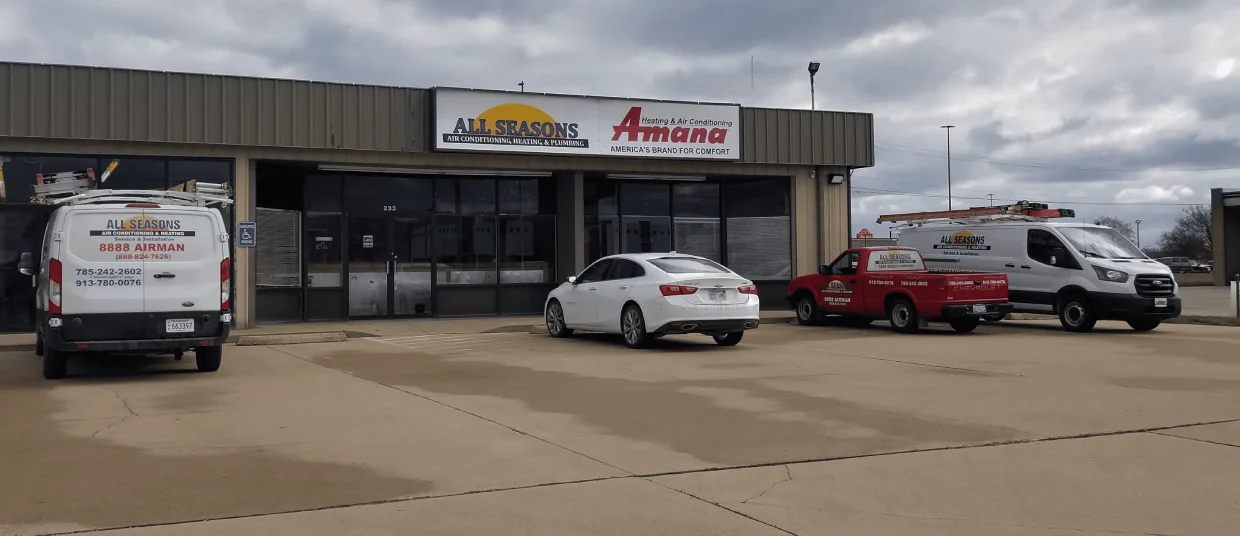
When you need heating repair in Pomona, KS, All Seasons Air Conditioning and Heating offers thorough diagnostics, honest assessments, and dependable fixes for furnaces and heat pumps. We'll outline common faults, discuss safety considerations, and walk you through our diagnostic process. From there, we detail typical repairs, emergency response, technician qualifications, and expected turnaround times. You'll also find clear pricing guidelines, warranty terms, and maintenance practices designed to extend your system's life. We emphasize clarity and safety, helping homeowners choose the right service provider and prioritize timely, quality repairs during cold months.
Heating Repair in Pomona, KS
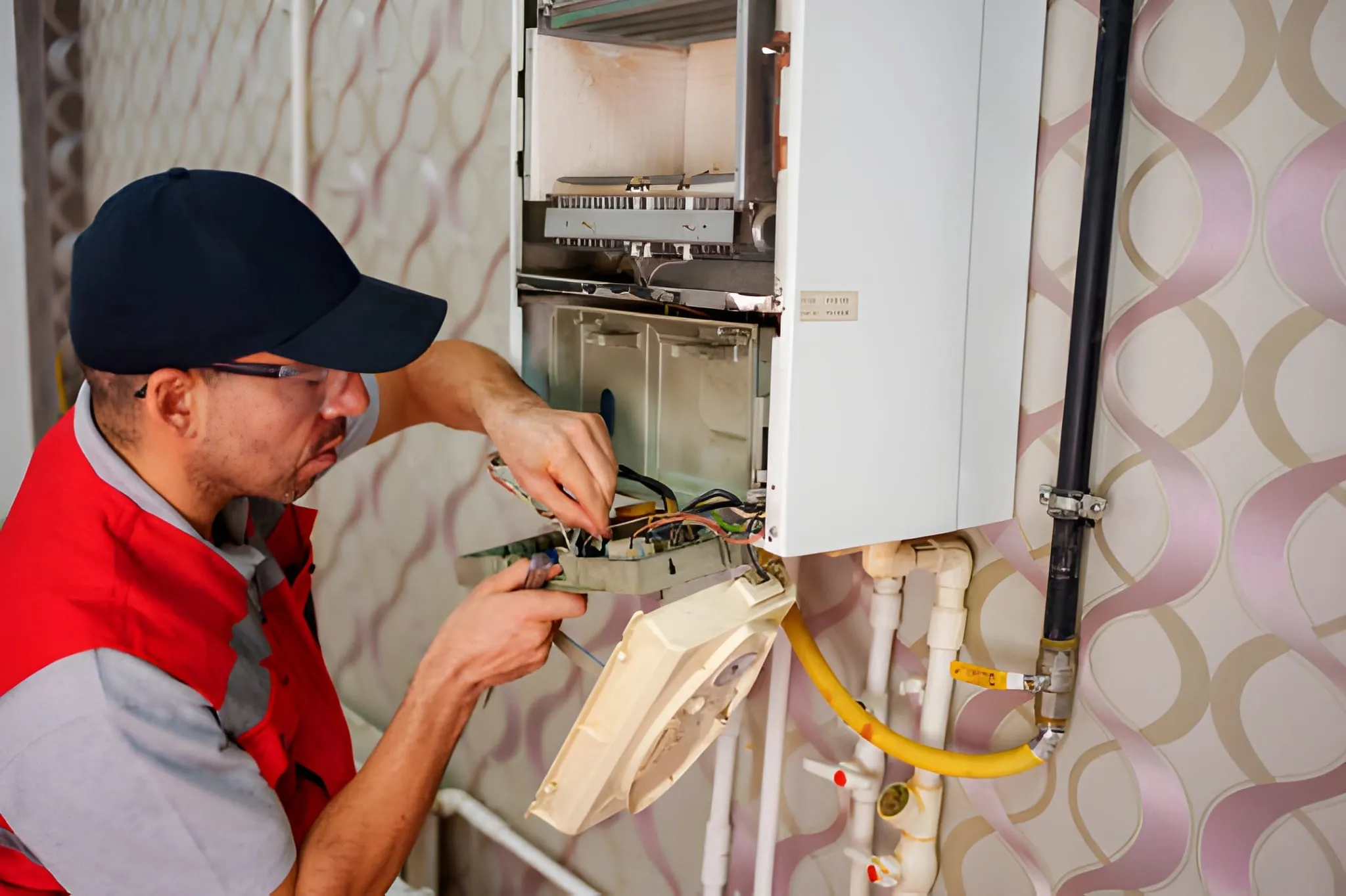
When winter hits Pomona, KS, reliable heating is not optional. Professional heating repair keeps your home safe, comfortable, and efficient through subfreezing nights and fluctuating spring temperatures. This page explains what professional heating repair looks like in Pomona, common furnace and heat pump faults we see locally, how diagnostics and repairs proceed, emergency response and availability, technician qualifications, expected turnaround times, pricing guidelines, and typical warranty and parts policies—so you can make an informed, confident decision.
Why timely heating repair matters in Pomona, KS
Pomona and the surrounding Osage County area see cold winters with occasional rapid temperature drops and extended heating demand. Older homes in the region often have aging furnaces or undersized heat pumps that strain during extreme weather. Delaying repairs can cause:
- Higher energy bills from inefficient operation
- Increased risk of breakdown on the coldest nights
- Safety hazards with gas or combustion appliances
- Progressive damage that raises replacement costs
Addressing problems at the first sign of trouble preserves comfort, reduces long-term costs, and keeps families safe.
Common heating systems and frequent issues in Pomona
Homes in Pomona commonly use gas furnaces, electric furnaces, and heat pumps (air-source). Typical problems we diagnose include:
- Furnace won’t start or cycles on and off (short cycling)
- Weak or no heat despite blower running
- Strange noises: banging, rattling, or squealing
- Pilot light or hot surface igniter failure (gas furnaces)
- Faulty thermostat or control board
- Blower motor failure or weak airflow from clogged filters or ducts
- Heat exchanger cracks (safety concern for combustion furnaces)
- Heat pump not producing heat, iced outdoor unit, or poor defrost cycle
- Low refrigerant, failing compressor, or reversing valve faults in heat pumps
Local factors like dusty rural air, older ductwork, and seasonal pollen can accelerate filter clogging and reduce system efficiency.
Diagnostic process: what to expect
Professional diagnostics follow a structured process to find the root cause without guesswork:
- Initial interview about symptoms and recent changes (sounds, smells, thermostat behavior)
- Visual inspection of the indoor unit, outdoor heat pump, vents, filters, and thermostat
- Safety checks for gas furnaces: combustion, venting, and heat exchanger condition using visual and spillage tests
- Electrical testing: voltages, capacitors, relays, and control board operation
- Ignition and fuel delivery checks for gas units (pilot, igniter, gas valve)
- Airflow assessment: blower motor, belts, and duct restrictions
- Refrigerant and pressure testing for heat pumps, plus defrost and reversing valve checks
- System performance verification with temperature split and output measurements
Diagnostics are documented in plain language with recommended repair options and estimated costs.
Typical repairs and solutions
Common repairs performed in Pomona homes include:
- Thermostat replacement or recalibration to fix inconsistent cycling
- Igniter or control board replacement for furnaces that fail to light
- Blower motor or capacitor replacement to restore airflow
- Cleaning or replacing filters and cleaning burners or coils to recover efficiency
- Heat exchanger repair or replacement when cracked (safety-first approach)
- Refrigerant recharge, leak repair, or compressor service on heat pumps
- Defrost control or reversing valve repairs for heat pump frosting
- Duct sealing and minor sheet metal repairs to improve heat distribution
Each repair is prioritized by safety, cost-effectiveness, and long-term system health. When replacement is the more economical or safer choice, that option is presented with transparent comparisons.
Emergency response and availability
Pomona homeowners face the real risk of overnight heating failures. Emergency heating repair availability typically includes:
- After-hours and weekend emergency service for no-heat situations
- Rapid response protocols during cold snaps and storm events
- Triage to identify immediate safety threats (gas leaks, combustion backdraft)
- Temporary measures to restore heat quickly while scheduling permanent repairs
Response times vary by time of year and weather; during major cold events, expect extended wait times in the region as crews prioritize safety calls.
Technician qualifications and safety
Quality heating repair depends on skilled technicians. Expect technicians who:
- Are EPA certified for handling refrigerants and combustion appliance checks
- Have training or certificates in HVAC systems, combustion safety, and heat pump technology
- Use calibrated diagnostic tools and follow industry safety standards
- Perform carbon monoxide checks on combustion systems and verify proper venting
- Provide clear, written findings and repair recommendations
Technicians should explain the issue in non-technical terms and show the failed components when relevant.
Expected turnaround times
Turnaround depends on the problem and parts availability:
- Diagnostic assessment: typically same-day or within 24 hours
- Minor repairs (thermostat, filter, capacitor): often completed in 1 to 3 hours during the visit
- Major component repairs (blower motor, heat exchanger panels): 1 to 2 business days if parts are in stock
- Complex repairs (compressor replacement, major heat exchanger replacement) or ordering specialty parts: 3 to 7 business days depending on supply and shippingRural service areas near Pomona may add travel time; emergency trips may be prioritized.
Pricing estimates and factors
Costs vary by system type, age, and parts required. Typical ranges:
- Diagnostic fee: $79 to $149 (applied to repair if completed)
- Thermostat replacement: $120 to $350
- Igniter or control module replacement: $150 to $450
- Blower motor replacement: $300 to $900
- Capacitor or relay: $80 to $250
- Refrigerant recharge (heat pump): $150 to $400 (does not include leak repair)
- Compressor replacement (heat pump): $800 to $2500
- Heat exchanger replacement: $800 to $2500 (often prompts consideration of system replacement)
- Full system replacement: significantly higher and quoted separately
Estimates depend on accessibility, system make/model, labor required, and whether parts are OEM or aftermarket. Travel to rural properties and emergency service calls typically influence final pricing.
Warranty and parts policies
Standard warranty practices homeowners can expect:
- Manufacturer warranties for major components often range from 5 to 10 years for new equipment
- Common parts warranties from suppliers typically range from 90 days to 1 year
- Labor warranties for repair work vary by company, commonly 30 to 365 days on the repaired component
- Written warranty terms provided with estimates and repair invoices; OEM warranties remain with the appliance when properly registered
- Extended warranties or maintenance agreements may be available to increase coverage and encourage preventive maintenance
Always request written warranty details before authorizing repairs so you understand coverage and claim procedures.
Maintenance and long-term value
Regular heating maintenance prevents many common failures seen in Pomona homes. Recommended steps:
- Biannual Tune-Ups (furnace in fall, heat pump in spring) to catch issues early
- Replace filters every 1-3 months depending on home conditions
- Schedule duct inspections in older homes to improve airflow and efficiency
- Consider a maintenance agreement for priority scheduling, reduced repair costs, and documented service history
Timely repairs plus preventive maintenance extend system life and maintain safe operation through Pomona winters.
ConclusionProfessional heating repair in Pomona, KS combines clear diagnostics, certified technicians, and pragmatic recommendations to restore safe, efficient heat quickly. Understanding common faults, expected timelines, and warranty terms helps you choose the best path forward when your furnace or heat pump needs attention during the colder months.
Customer Testimonials
Service Areas