Heating Repair in Olathe, KS
All Seasons Air Conditioning and Heating outlines comprehensive heating repair for Olathe homes, covering gas furnaces, air-source heat pumps, and electric heaters. We explain common symptoms, diagnostic steps, and the repair workflow from fault diagnosis to safe, calibrated replacements. Readers learn about technician qualifications, warranties, and transparent estimates, plus maintenance tips to reduce future failures. Emergency response, after-hours options, and scheduling procedures are described, along with safety practices such as carbon monoxide testing and proper venting, to restore reliable heat promptly and safely.
Heating Repair in Olathe, KS
Keeping your home warm and safe during Olathe winters requires fast, knowledgeable heating repair. Whether you have a gas furnace, electric heater, or air-source heat pump, understanding common symptoms, the diagnostic process, and what to expect from a professional repair helps you make an informed decision when your system underperforms. This page explains comprehensive heating repair services tailored to Olathe, KS homes, including typical faults, how technicians diagnose problems, the repair workflow, emergency response protocols, technician qualifications, estimate and warranty practices, and how to schedule service.
Why timely heating repair matters in Olathe
Olathe experiences cold winters with occasional extended cold snaps. Systems that struggle early in the season often fail when temperatures drop further. Delaying repairs can lead to higher energy bills, uneven heating, safety risks (carbon monoxide from cracked heat exchangers), and more expensive breakdowns. Local humidity swings and older duct systems in many neighborhoods can also magnify heating problems, making prompt, professional repairs important.
Common heating systems and symptoms in Olathe homes
- Gas furnaces
- Symptoms: no heat, weak airflow, frequent cycling, yellow or noisy pilot/ignition, unusual odors, increased gas usage.
- Common faults: failed ignitor or gas valve, dirty burners, clogged air filter, cracked heat exchanger, blower motor issues, control board failures.
- Heat pumps (air-source)
- Symptoms: not heating in cold weather, frost buildup on outdoor unit, frequent defrost cycles, insufficient heat, higher electric bill.
- Common faults: low refrigerant, malfunctioning defrost control, worn reversing valve, compressor or fan motor problems, electrical component failures.
- Electric heaters and baseboard systems
- Symptoms: no heat in zones, tripped breakers, buzzing or arcing sounds, uneven room temperatures.
- Common faults: failed elements, thermostat or control failures, loose wiring, relay or contactor damage.
Diagnostic procedures: what a technician will do
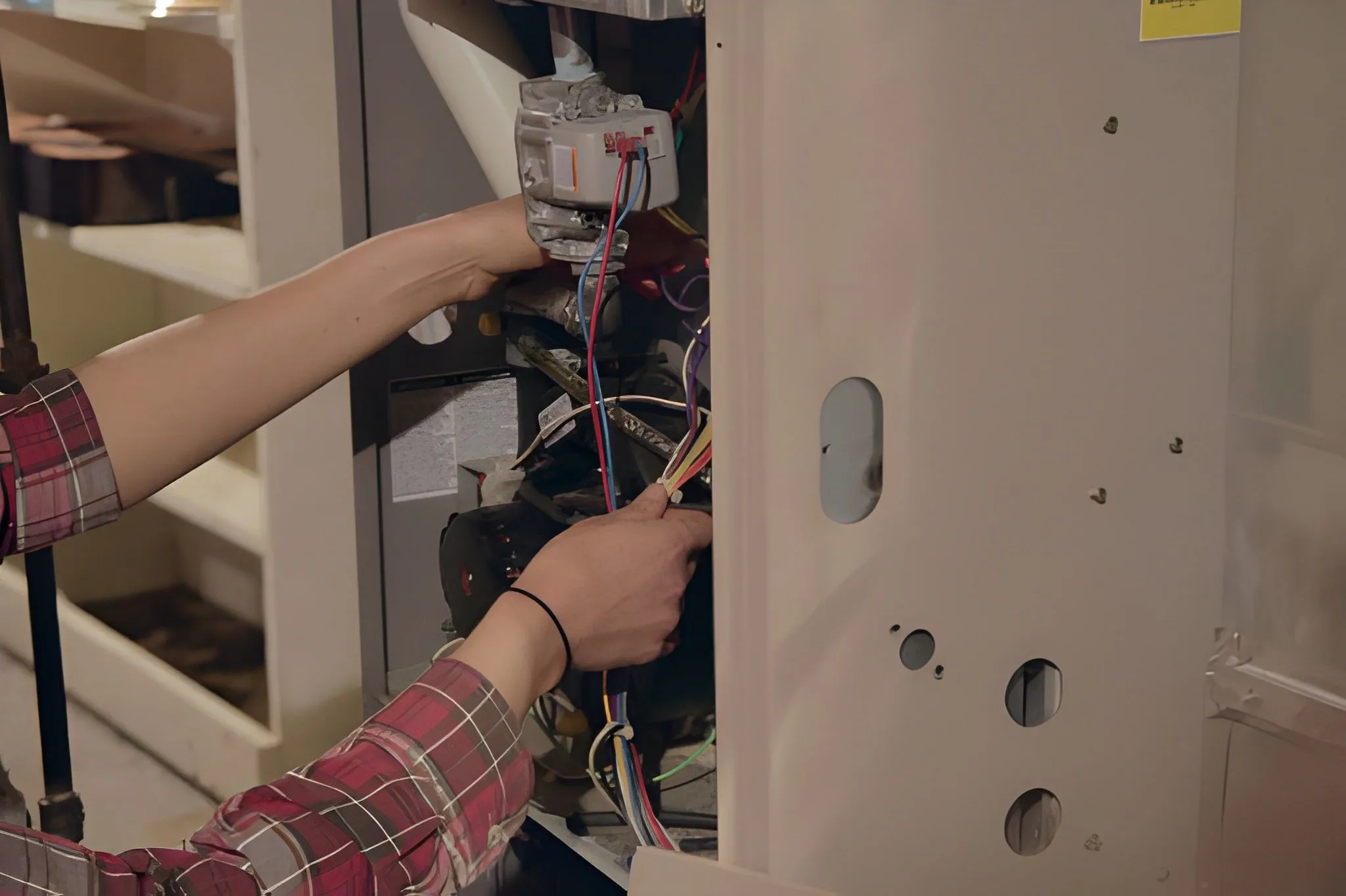
A thorough, systematic diagnostic prevents guesswork and unnecessary repairs. Typical diagnostic steps include:
- Visual inspection of the unit, heat exchanger, burner assembly, and vents for obvious damage or corrosion.
- Airflow and filter inspection to identify blockages or restricted ductwork.
- Electrical diagnostics: measuring voltages, motor amperage, capacitor testing, and control board error code reading.
- Combustion analysis for gas furnaces: gas pressure check, flame quality, and flue draft to verify safe combustion.
- Carbon monoxide testing and gas leak detection as safety priority for gas systems.
- Heat pump-specific tests: refrigerant line pressure checks, defrost cycle evaluation, reversing valve operation, and outdoor-condenser inspection.
- Thermostat calibration and zone control checks to confirm proper signals and setpoints.
Technicians will explain findings in plain language and outline recommended repairs vs. temporary fixes, including the expected lifespan implications of each option.
Typical repair workflows
Repairs follow a clear workflow to restore safe, efficient operation:
- Confirm and document the problem after diagnostics.
- Provide a written repair recommendation describing parts, labor, and any safety work (no pricing figures included here).
- Replace failed components using OEM or equivalent parts (ignitors, gas valves, control boards, capacitors, blower motors, reversing valves, heat exchangers when necessary).
- Perform system calibration: adjust gas pressure and burner tuning, set blower speeds, balance airflow, calibrate thermostats, and program control limits.
- Complete safety checks: carbon monoxide test, flue and vent verification, combustion stability, and electrical integrity.
- Run a performance verification: measure temperature rise or output, confirm defrost and cycling behavior, and provide guidance on maintenance to preserve results.
In many cases, technicians will stabilize a system temporarily if parts are delayed, then complete the repair once the correct parts arrive.
Parts replacement, calibration, and safety checks explained
- Parts replacement: commonly replaced parts include ignitors, flame sensors, capacitors, contactors, blower motors, fan assemblies, reversing valves, and control boards. Some failures (such as a cracked heat exchanger) typically require whole-unit replacement due to safety concerns.
- System calibration: proper calibration ensures efficient operation and longevity. This includes setting correct gas pressure, adjusting blower motor speeds for proper temperature rise, and ensuring thermostat setpoints match system capabilities.
- Safety checks: mandatory on gas systems—carbon monoxide testing, gas leak checks, and verifying venting and combustion. Electric systems require breaker and wiring inspection, and all systems need proper grounding and safe clearances.
Emergency and after-hours response
Heating failures in freezing conditions are an emergency. After-hours or emergency response procedures generally include:
- Telephone triage to assess household risk (elderly or infants, no alternate heat).
- Priority dispatch to stabilize the situation where possible.
- Temporary measures (safe space heating recommendations, temporary fixes) until permanent repairs can be completed.Emergency response protocols prioritize safety checks and mitigation of immediate hazards such as gas leaks or CO presence.
Technician qualifications and standards
Qualified heating technicians servicing Olathe homes typically hold:
- EPA certification for refrigerant handling (for heat pumps).
- Industry credentials or manufacturer training (Comfort Advisor training, manufacturer-specific certifications).
- Hands-on experience with common furnace and heat pump brands and newer control systems.
- Training in combustion analysis and carbon monoxide safety for gas systems.Technicians generally follow industry best practices, use calibrated diagnostic equipment, and document findings and repair steps for homeowner transparency.
Estimates, transparency, and financing notes
After diagnostics, you will receive a clear, written estimate that itemizes recommended repairs, parts (OEM vs aftermarket), labor, warranty coverage, and any safety work required. Estimates typically include a scope of work and an expected timeline for parts and repair completion. Financing options are commonly available for larger repairs or replacements; documentation accompanying the estimate will outline those options and any conditions related to waiver of diagnostic fees when repairs proceed.
Warranty and parts policies
- Parts warranty: repaired parts may carry manufacturer warranties when OEM parts are used; aftermarket parts have their own warranties—details will be specified in the estimate.
- Labor warranty: labor coverage for repairs is normally provided for a defined period; the written estimate will specify the duration and conditions.
- Warranty process: warranties require registration or claim submission with proof of repair and can differ based on manufacturer requirements.Always retain repair documentation and serial numbers to streamline any warranty claims.
Maintenance advice to reduce future repairs
- Replace or clean filters regularly (monthly to quarterly depending on usage and filter type).
- Schedule annual preseason inspections: furnace Tune-Up before winter and heat pump inspection before cooling season.
- Keep vents and returns unobstructed and ensure attic/crawlspace insulation and ductwork are in good condition.
- Install and test carbon monoxide detectors on every level if you have gas heating.
Scheduling service
To arrange diagnostic and repair service, contact the local service office during posted business hours or use the established service request channels for after-hours emergencies. When requesting service, have the following available: system type and age, symptoms experienced, recent maintenance history, and whether anyone in the home is medically vulnerable to cold.
This information gives Olathe homeowners a clear expectation of how professional heating repair is conducted, why timely action matters, and what steps technicians take to restore safe, efficient heat to your home.
Customer Testimonials
Service Areas