Heating Installation in Rantoul, KS
When it comes to heating installation in Rantoul, KS, All Seasons Air Conditioning and Heating guides homeowners through selecting and installing a correctly sized system for our challenging Kansas winters. We can help you explore options like gas furnaces, heat pumps, ductless mini-splits, dual-fuel setups, and boilers, ensuring sizing is precisely based on Manual J and duct design via Manual D. We'll walk you through our professional installation steps, rigorous testing, careful commissioning, and how to protect your system's performance. Later, we’ll discuss maintenance planning and financing, explaining why proper installation by our experts improves comfort, efficiency, and reliability for every cold season in Rantoul, KS. Count on us for trusted guidance from assessment to aftercare.
Heating Installation in Rantoul, KS
A correctly sized and professionally installed heating system keeps your Rantoul home comfortable, lowers winter energy bills, and reduces safety risks from outdated equipment. Kansas winters bring cold nights and occasional single-digit temperatures, and many local homes also face drafts, older insulation, or long duct runs. That makes choosing the right heating solution and installing it properly critical. This page covers what to expect from a full heating installation in Rantoul, KS, including system options, how installers size and assess your home, step-by-step installation tasks, testing and commissioning, and ongoing care and maintenance plans.
Common heating system types for Rantoul, KS homes
Choosing the right system depends on your fuel availability, budget, home layout, and comfort priorities. Common options in Rantoul include:
- Gas furnaces (single-stage, two-stage, variable-speed): Most popular for reliable, powerful heat where natural gas or propane is available.
- Heat pumps (air-source, cold-climate models): Efficient year-round heating and cooling; modern cold-climate heat pumps perform well in Kansas winters and can reduce energy costs.
- Ductless mini-splits: Ideal for additions, garages, or homes without existing ductwork; provide zoned temperature control.
- Dual-fuel systems: Combine a heat pump with a gas furnace for maximum efficiency and backup heat during severe cold.
- Boilers: Often used in homes with radiant or baseboard systems; good for even, quiet heat where piping is in place.
Common heating installation issues in Rantoul, KS
Homeowners typically consider replacement or new installation because of:
- System age beyond expected life (furnaces 15+ years, heat pumps 10–15 years)
- Rising energy bills or frequent repairs
- Uneven heating across rooms or weak airflow
- Noisy operation, repeated cycling, or ignition problems
- Safety concerns like cracked heat exchangers or carbon monoxide risk
- Home renovation, additions, or converting from electric to gas/heat pump
Site assessment and load calculations: the right start
Accurate sizing and a thorough site assessment are the foundation of a successful heating installation in Rantoul, KS. Professionals perform:
- A Manual J load calculation to determine heating capacity needed based on square footage, insulation levels, window types, air infiltration, orientation, and local winter design temperatures.
- A Manual D duct design or evaluation to verify duct sizing, layout, and balancing needs. Poorly sized ducts cause uneven heat and wasted energy.
- A fuel and infrastructure review (natural gas line capacity, propane tank placement, electrical panel capacity) to confirm compatibility.
- Inspection of the home envelope (attic, crawlspaces, insulation, and windows). In Rantoul, modest upgrades to seal air leaks or add insulation can significantly reduce system size and long-term costs.
Recommended system selection
After assessment, systems are recommended based on:
- Performance needs: A colder regional design temperature and larger homes usually favor higher-capacity furnaces or dual-fuel setups.
- Energy efficiency: Look at AFUE ratings for furnaces and HSPF/SEER for heat pumps. Higher efficiency reduces operating costs, which matters for long Kansas heating seasons.
- Fuel availability and cost: If natural gas is available, high-efficiency gas furnaces are common. For homes on electric or propane, heat pumps or electric furnaces may be better.
- Duct condition and layout: If ducts are poor or absent, ductless systems or duct replacement may be recommended.
Professional installation steps
A professional installation follows a predictable, code-compliant process to protect performance and safety:
- Pre-install planning and permits: Confirm equipment choice, obtain necessary permits, and schedule site preparation.
- Old equipment removal and disposal: Safely disconnect and remove existing units, addressing any refrigerant or hazardous materials per regulations.
- Ductwork repair or replacement: Seal, insulate, and size ducts as needed to meet airflow and efficiency targets.
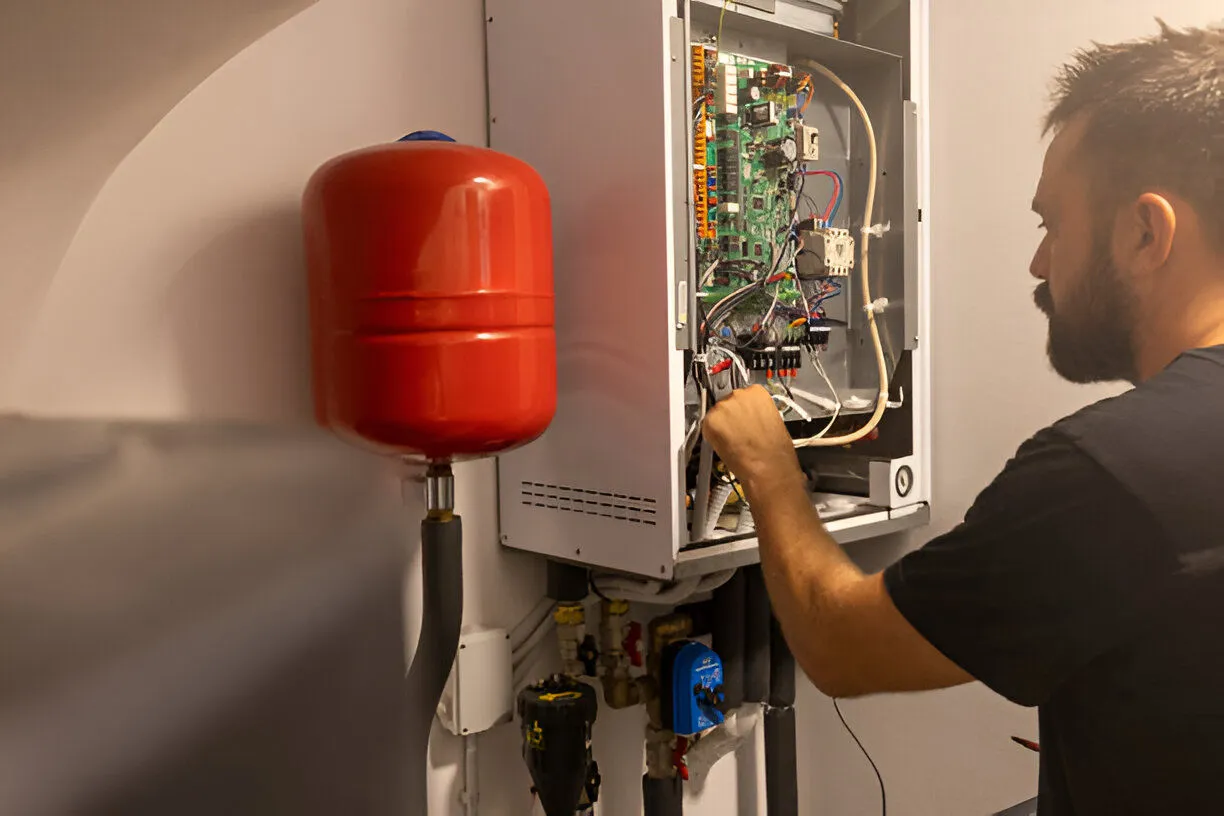
- System placement and mechanical hookup: Install furnace or heat pump in the designated location, secure pad or platform, connect gas, venting, refrigerant lines, and electrical.
- Thermostat and control integration: Install and program thermostat(s), including zoned or smart controls when applicable.
- Insulation and condensation management: Ensure condensate drains, traps, and insulation are in place to prevent moisture issues.
- Final cleanup and documentation: Leave the job site clean and provide system documentation, warranty information, and maintenance recommendations.
Testing and commissioning
Thorough commissioning ensures the new system meets design expectations:
- Verify correct refrigerant charge and compressor operation for heat pumps.
- Measure airflow, static pressure, and temperature rise across furnaces.
- Perform safety checks: combustion efficiency, CO levels, gas pressure, and venting integrity for fuel-burning appliances.
- Calibrate thermostats and verify zoning or balancing for even comfort.
- Provide a walkthrough explaining system operation, filter locations, and recommended maintenance intervals.
Post-installation care and maintenance plans
Regular maintenance preserves efficiency, comfort, and warranty coverage. Typical components of a maintenance plan include:
- Annual inspection and Tune-Up for the furnace and/or heat pump (spring and fall schedules are common)
- Filter inspection and replacement guidance (frequency depends on filter type and household conditions)
- Safety checks for combustion systems and carbon monoxide monitoring
- Cleaning and inspection of blowers, coils, condensate drains, and drain pans
- Priority service scheduling options and seasonal safety reminders
In Rantoul homes, routine maintenance is especially valuable because local temperature swings and winter wind exposure can stress systems. Well-maintained equipment runs more efficiently, lasts longer, and reduces the chance of mid-winter failures.
Free estimates and financing availability
Most homeowners benefit from a no-cost site visit and estimate before committing to a new heating installation. Estimates should include equipment options, expected energy savings, recommended ductwork or envelope improvements, and clear breakdowns of labor and components. For larger installations, financing options are often available to spread investment over time while still capturing efficiency gains and comfort improvements immediately.
Why proper installation matters in Rantoul, KS
A correctly specified and expertly installed heating system delivers safer, more reliable warmth during Kansas winters, keeps energy costs under control, and reduces patchwork repairs. Addressing ductwork, home envelope, and controls during installation prevents common post-install problems like uneven rooms or short cycling. For Rantoul homeowners, investing in professional heating installation pays off in comfort, efficiency, and peace of mind for every cold season ahead.
Customer Testimonials
Service Areas