Heating Installation in Gardner, KS
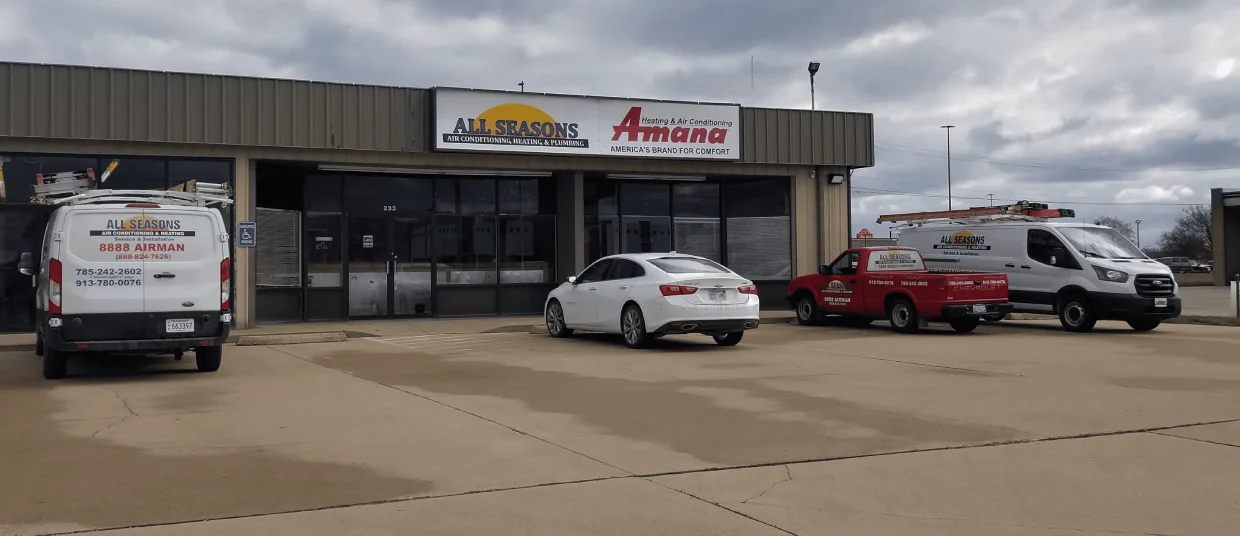
When it comes to heating installation in Gardner, KS, All Seasons Air Conditioning and Heating provides homeowners with a full-service process, from initial consultation and sizing to permitting, installation, testing, and warranty registration. We guide you through system options like furnaces, heat pumps, and ductless mini-splits, emphasizing the importance of accurate load calculations and proper, code-compliant installation. We'll cover the installation sequence, post-install commissioning, expected homeowner preparations, and the long-term maintenance benefits, all while prioritizing safety, energy efficiency, and warranty protection through professional handling and regular tune-ups to ensure reliable warmth and value for your home.
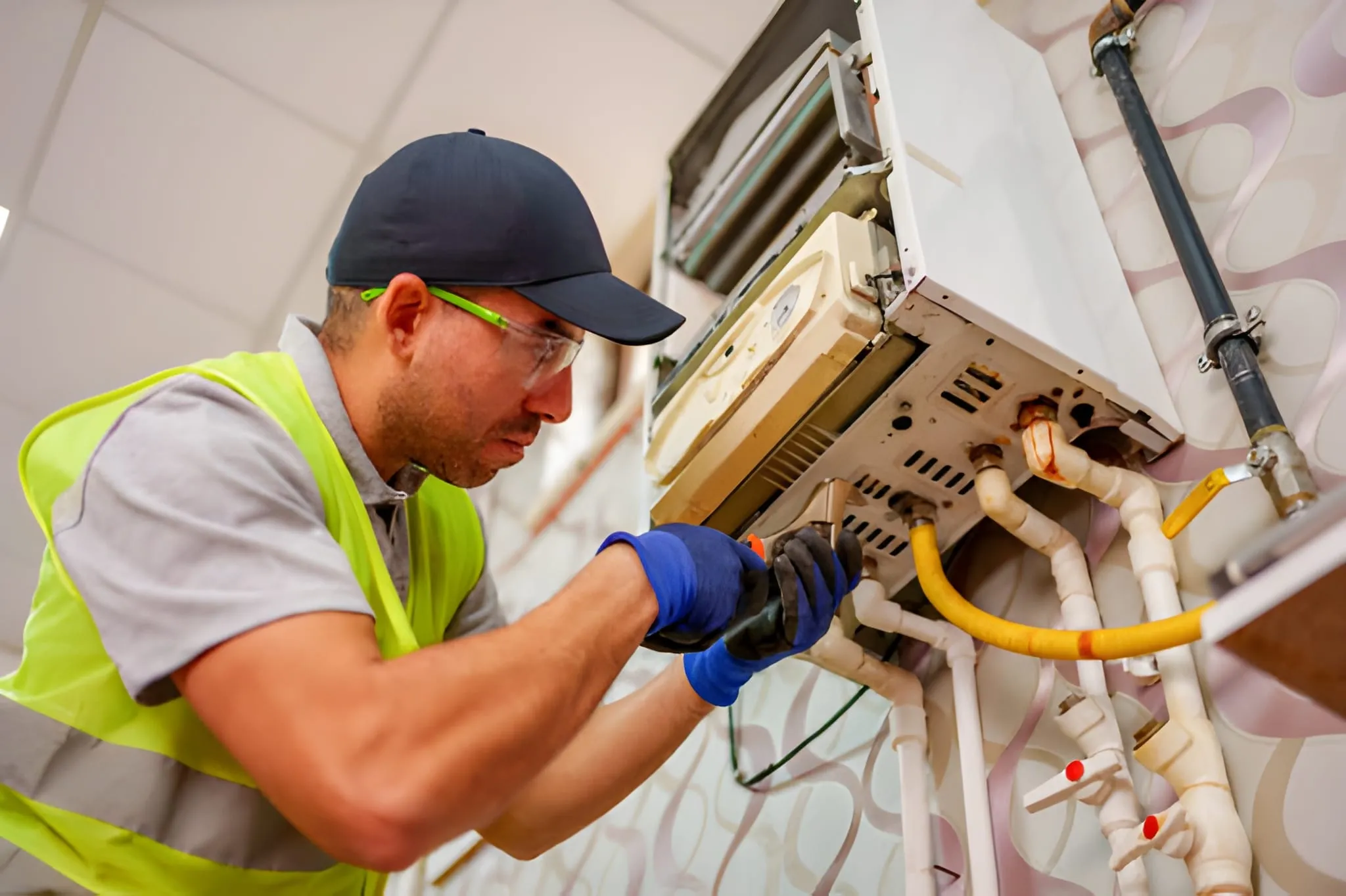
Heating Installation in Gardner, KS
Choosing the right heating system and having it installed correctly matters in Gardner, KS where cold winter nights and occasional deep freezes demand reliable, efficient heat. This page explains full-service heating installation in Gardner, KS — from the first consultation and sizing calculations to permitting, step-by-step installation, post-install testing, warranties, and what to expect as a homeowner. The goal is to help you decide with confidence which system type fits your home and lifestyle.
Why a proper heating installation matters in Gardner, KS
Gardner experiences a continental climate with cold winters, temperature swings, and humidity changes across seasons. A correctly sized and installed system:
- Maintains comfortable indoor temperatures during subzero nights
- Reduces cycling and energy waste in temperature swings
- Improves indoor air quality and safety in tightly sealed homes
- Preserves equipment life and honors manufacturer warranty requirements
Common heating system options for Gardner homes
When considering heating installation in Gardner, KS, the most common choices are:
- Furnaces (gas, electric) — reliable central heat with fast warm-up and wide compatibility with existing ductwork
- Heat pumps (air-source, hybrid heat pump combos) — efficient year-round heating and cooling, especially attractive where winter lows are moderate to mild
- Mini-split ductless systems — good for additions, garages, or homes without existing ducts
- High-efficiency condensing furnaces and modulating heat pumps — for homeowners prioritizing energy savings and quieter operation
Each option has trade-offs in upfront cost, operating cost, and suitability for your home layout. The right choice depends on accurate sizing, duct condition, fuel availability, and your efficiency goals.
Pre-install consultation and sizing calculations
A thorough pre-install consultation is the foundation of a successful installation. Typical steps include:
- Home assessment: evaluate insulation, windows, existing ductwork, combustion venting, and attic/crawlspace access
- Load calculation: perform a Manual J load calculation to determine the correct heating capacity for your home, not just guess by square footage
- Ductwork and airflow evaluation: inspect duct size, leaks, insulation, and static pressure to ensure proper distribution
- System recommendation: weigh furnace vs heat pump, single-stage vs modulating, and secondary features like two-stage blowers or variable-speed motors
Accurate sizing avoids oversizing that causes short-cycling and energy waste, and undersizing that leaves rooms cold during extreme weather.
Permitting and code compliance
Heating installations in Gardner must comply with local building codes and typically require permits and inspections. Key compliance elements:
- Obtaining a local mechanical or building permit before installation
- Adhering to combustion air, venting, and gas piping codes for gas furnaces
- Electrical permit and proper breaker sizing for electric components and heat pumps
- Inspection and sign-off by the local authority having jurisdiction in Gardner or Johnson County
Proper permitting protects you, ensures system safety, and is often a condition of manufacturer warranty coverage.
Step-by-step installation process
A typical full-service heating installation includes:
Most installations are completed in one to two working days depending on system complexity and duct modifications.
Post-install testing and commissioning
Commissioning verifies the system operates safely and efficiently:
- Startup checks: confirm gas pressure, ignition, refrigerant charge (for heat pumps), and proper electrical connections
- Airflow and static pressure testing to validate duct performance
- Temperature rise or delta T measurements for furnaces to ensure correct heat transfer
- Safety tests: verify limit switches, pressure switches, and combustion safety; perform a carbon monoxide check on combustion appliances
- Thermostat calibration and system programming for efficiency and comfort
- Walk-through with the homeowner to explain system operation, filters, and maintenance needs
Documenting these tests and retaining startup reports helps with future service and warranty claims.
Manufacturer warranties and registration
Most new heating systems carry:
- Manufacturer part and compressor warranties (varies by brand and model)
- Optional extended warranties for specific components
- Labor warranties from the installer for workmanship
It is important to register the equipment with the manufacturer and retain purchase and startup documentation to protect warranty rights. Some manufacturer warranties require proof of professional installation and annual maintenance.
What homeowners should expect and how to prepare
Preparing your home helps the installation go smoothly:
- Clear access to the furnace or outdoor unit and thermostat areas
- Remove pets from the work area and secure children
- Plan for a technician presence—expect some noise, dust, and a temporary disruption to your HVAC service
- Save paperwork, including permits and startup reports, for warranty and resale value
After installation, expect a final inspection and a short period of adjustment as the system settles into normal operation.
Long-term benefits and maintenance
A professionally sized and installed heating system delivers:
- Improved comfort with consistent temperatures and reduced drafts
- Lower energy bills through efficient operation and reduced cycling
- Fewer breakdowns and longer equipment life when combined with annual maintenance
- Cleaner indoor air when paired with proper filtration and sealed ducts
Regular maintenance, filter changes, and annual Tune-Ups are essential to preserve efficiency, safety, and warranty coverage.
ConclusionA full-service heating installation in Gardner, KS covers professional assessment, precise sizing, permitted installation, thorough commissioning, and warranty documentation. Choosing the right system and installer ensures dependable warmth through Gardner winters, better energy performance, and fewer surprises down the road.
Customer Testimonials
Service Areas