Furnace Repair in Princeton, KS
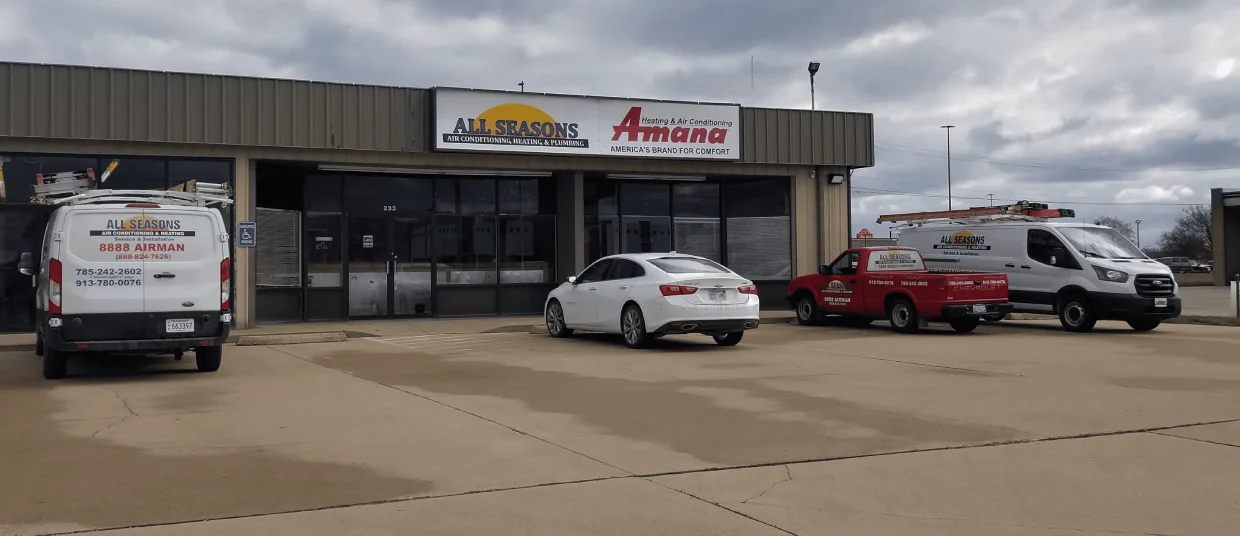
When it comes to furnace repair in Princeton, KS, All Seasons Air Conditioning and Heating is here to help. We'll outline our professional service, detailing why timely service matters, common local issues, and the precise diagnostic steps our technicians use to identify root causes. We cover typical parts replaced, emergency and rapid repair options, our technicians' qualifications and safety standards, and how estimates and scheduling work. Our maintenance guidance emphasizes prevention, efficiency, and safety benefits for Princeton homes, helping you understand the value of transparent pricing, accurate diagnostics, and choosing qualified repair partners in your community for peace of mind.
.jpeg)
Furnace Repair in Princeton, KS
A reliable furnace is essential for Princeton, KS homes, where cold winters, prairie winds, and rapid temperature swings make dependable heat a priority. Timely furnace repair restores comfort, reduces energy waste, and prevents safety risks like carbon monoxide leaks. This page explains what professional furnace repair looks like in Princeton, common local issues, the diagnostic steps technicians use, typical parts replacement, emergency and rapid-repair options, technician qualifications, and how estimates and scheduling usually work.
Why timely furnace repair matters in Princeton, KS
- Kansas winters can produce extended cold snaps that expose failing components quickly. Small problems become system-wide failures if left untreated.
- Older homes in the area often have older furnaces or retrofit ductwork that increase strain on systems, making proactive repair critical.
- Addressing issues early preserves system efficiency, lowers utility costs, and reduces the chance of emergency breakdowns during severe weather.
Common furnace problems in Princeton, KS homes
Technicians in the region most often encounter:
- Ignition failures or intermittent burner operation after seasonal startup
- Furnace blower motor not running or running intermittently
- Gas valve malfunctions or pilot light issues on older natural gas units
- Cycling on and off too frequently (short cycling)
- Weak airflow due to clogged filters, failing blower motors, or duct restrictions
- Unusual noises such as rattles, squeals, or banging that suggest mechanical wear
Standard diagnostic process: what to expect
Professional furnace repair follows a methodical diagnostic routine to identify root causes rather than applying temporary fixes. Typical steps include:
- Visual inspection
- Technician checks the furnace cabinet, filter condition, vents, and visible electrical connections to identify obvious issues or safety concerns.
- System startup and observation
- The furnace is observed through a controlled start sequence to note ignition behavior, blower engagement, and combustion sounds.
- Electrical and control checks
- Voltage and continuity tests on thermostats, relays, and control boards help locate intermittent electrical faults.
- Fuel and combustion inspection
- For gas furnaces, gas pressure, burner operation, and flame quality are examined. Combustion products may be checked to ensure safe combustion.
- Safety device verification
- Limit switches, flame sensors, and carbon monoxide safety elements are tested to confirm proper operation.
- Airflow and duct assessment
- Blower performance, supply and return duct airflow, and filter resistance are evaluated to diagnose weak heat delivery.
Troubleshooting ignition, blower, and gas valve problems
- Ignition issues
- Common causes: dirty or failing hot surface igniters, dirty flame sensors, or faulty control boards.
- Typical fix: cleaning the sensor or replacing a cracked igniter and verifying proper sequencing.
- Blower problems
- Symptoms: no airflow, overheating, or loud motor noise.
- Common causes: worn motor bearings, failed capacitors, clogged blower wheels, or belt wear (on older belt-drive units).
- Typical fix: motor or capacitor replacement, wheel cleaning, or belt adjustment/replacement.
- Gas valve and combustion issues
- Symptoms: furnace fails to light, burners cycle off, or weak flame.
- Common causes: malfunctioning gas valve, clogged burners, or improper gas pressure.
- Typical fix: cleaning burners, verifying gas supply and pressure, and replacing a defective gas valve when necessary.
Typical parts replaced during repairs
Repair jobs commonly involve swapping in new components to restore safe, efficient operation:
- Igniters and flame sensors
- Blower motors and run capacitors
- Gas valves and pressure regulators
- Control boards and relays
- Limit switches and pressure switches
- Thermostats and communication modulesParts are selected for compatibility and reliability; technicians balance long-term performance with cost-effectiveness when recommending replacements.
Emergency response and rapid repair options
Princeton homeowners often need rapid turnaround during cold snaps. Professional services prioritize:
- Safety triage on arrival to confirm no immediate hazards such as gas leaks or carbon monoxide risk
- Fast diagnostics to identify whether a patch, part replacement, or temporary measure will restore heat immediately
- Access to common replacement parts for on-the-spot repairs to minimize downtime
- After-hours or emergency dispatch protocols to handle critical heating losses during nights and weekendsEmergency repairs focus on restoring safe heat quickly while scheduling follow-up work for comprehensive solutions if needed.
Technician qualifications and safety standards
Qualified technicians for furnace repair should:
- Be EPA certified and trained to handle gas and combustion systems safely
- Have formal HVAC training, manufacturer certifications, or mechanical certificates relevant to heating systems
- Use proper testing equipment for electrical, combustion, and airflow diagnostics
- Follow local code and safety practices for gas appliances and ventingIn Princeton-area shops, technicians often combine EPA certification with hands-on experience in older regional homes and modern equipment, ensuring practical knowledge of local heating patterns and common system types.
Transparent estimates and what to expect pricing-wise
Professional furnace repair services provide transparent, itemized estimates before beginning non-emergency work. A clear estimate typically includes:
- Diagnostic fee disclosure and what was covered during the inspection
- Line-item pricing for parts, labor hours, and any applicable trip or after-hours charges
- Warranty information on parts and workmanship
- Options when multiple repair paths exist (repair vs replacement), with explanations of long-term cost and efficiency tradeoffsThis transparency helps Princeton homeowners make informed decisions based on safety, budget, and expected service life.
Maintenance, prevention, and long-term benefits
Regular furnace maintenance reduces emergency repairs and extends equipment life. Recommended actions include:
- Routine filter changes and seasonal cleanings of burners and blower assemblies
- Annual professional Tune-Ups before winter to verify safe combustion and efficient operation
- Addressing airflow or duct issues that can cause strain and premature component failureThe benefits of proper repair and maintenance are improved comfort, lower energy bills, fewer mid-winter failures, and safer indoor air quality for families in Princeton.
Final notes on choosing repair services in Princeton, KS
When evaluating furnace repair options locally, prioritize technicians with documented certifications, clear diagnostic procedures, and transparent estimates. In a climate like Princeton’s, fast, safe repairs that restore reliable heat while addressing root causes deliver the best long-term value and peace of mind for homeowners.
Customer Testimonials
Service Areas