Furnace Installation in Wellsville, KS
For furnace installation in Wellsville, KS, All Seasons Air Conditioning and Heating explains the complete process from pre-install assessment through commissioning and warranty considerations. We outline sizing methods, including Manual J and D calculations, site preparation, and safe equipment replacement. Our guide covers permit requirements, inspections, and documentation, plus safety checks, combustion testing, and performance verification. We also highlight expected timelines, day-of procedures, and what homeowners should expect during installation, as well as maintenance tips to maximize efficiency, lifespan, and warranty protection.
Furnace Installation in Wellsville, KS
Installing a new furnace is one of the most important upgrades a Wellsville home can make to improve winter comfort, reduce energy bills, and protect your family from safety risks like carbon monoxide. Wellsville’s cold winters and wide temperature swings make furnace reliability essential. This page explains the full new furnace installation process for Wellsville, KS homes: pre-install assessment, system selection and sizing, professional installation steps, safety checks and commissioning, permit/inspection considerations, warranty coverage, and exactly what to expect on install day.
Why a proper furnace installation matters in Wellsville, KS
- Wellsville winters often demand consistent, efficient heating. An undersized or poorly installed furnace will struggle, run constantly, and raise energy costs.
- Older homes in the area may have outdated ducting, undersized venting, or mixed fuel systems that require careful assessment before replacement.
- Proper installation improves comfort, extends equipment life, and reduces the risk of safety issues such as combustion problems or carbon monoxide leaks.
Common reasons homeowners choose a new furnace
- Existing furnace is near or past expected life span, failing frequently, or unsafe.
- High heating bills despite repairs.
- Desire to upgrade to a high-efficiency condensing furnace (higher AFUE) for lower operating cost.
- Replacement after component failure (heat exchanger, control board) when replacement is more cost-effective than repair.
- New construction, addition, or switch of fuel type (for example, propane to natural gas or electric conversion).
Pre-install assessment: what a technician will evaluate
A thorough assessment before installing a new furnace prevents surprises on install day and ensures the right system is chosen.
- Home size and layout, number of rooms, ceiling heights, insulation levels, window types, and occupancy patterns.
- Existing ductwork condition and layout (leaks, undersized runs, missing return paths).
- Fuel type and supply (natural gas line capacity, propane tank location, or electric service).
- Venting options and chimney condition for safe combustion air and exhaust.
- Electrical service and breaker capacity for new equipment and controls.
- Indoor air quality needs (filtration, humidification, duct cleaning) that can be integrated with the new system.
System selection and sizing
Selecting the right furnace is not about the highest horsepower; it is about correct sizing and features for your Wellsville home.
- Load calculation (Manual J): A professional load calculation estimates the heating demand based on your home’s envelope and local climate — this prevents oversizing or undersizing.
- Duct design (Manual D): Confirms ducts can deliver recommended airflow and may reveal necessary repairs or rebalancing.
- Efficiency and features: AFUE rating, single-stage vs two-stage vs modulating burners, and variable-speed blowers affect comfort and operating cost. High-efficiency condensing furnaces are common upgrades in this climate.
- Compatibility: Ensure the new furnace works with existing AC equipment, thermostats, and ventilation systems if applicable.
Professional installation steps (typical sequence)
- Pre-install preparation: confirm permit requirements, order correct unit and materials, and protect work areas.
- Old equipment removal: disconnect power and fuel, cap lines as required, and remove the old furnace safely.
- Site preparation: build or level the platform, prepare venting and combustion air openings, and reinforce framing if needed.
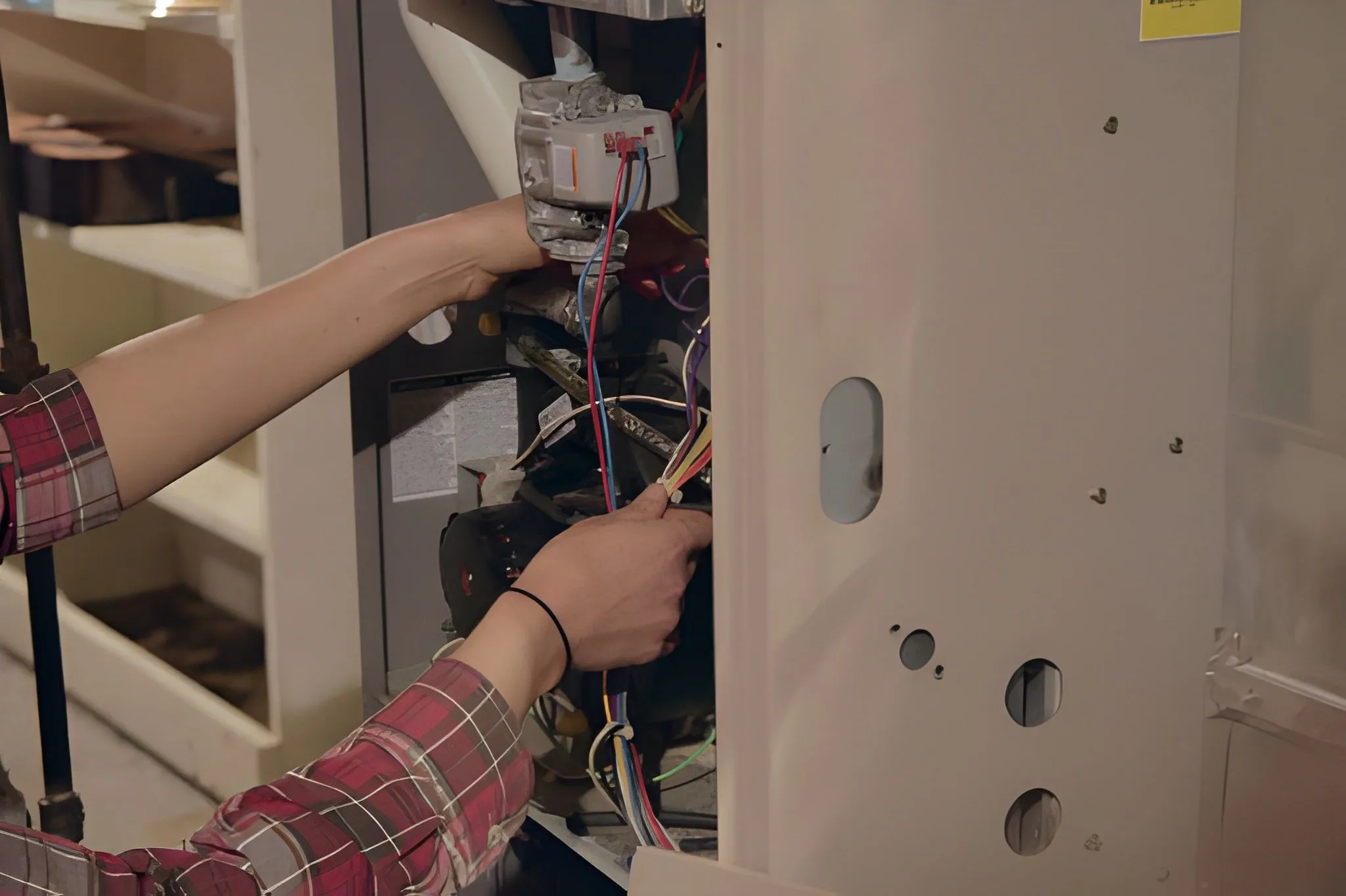
- Furnace placement and connection: set the new unit, connect gas or fuel lines, electrical wiring, and thermostat wiring.
- Duct and vent connections: attach supply and return ducts, seal and insulate connections, and install proper venting or flue components.
- Condensate and drainage setup (for condensing units): install condensate traps and route drain lines per code.
- Electrical and control setup: connect power, configure control board, and integrate with zone controls or smart thermostats if present.
- Job site cleanup and disposal of old equipment according to local regulations.
Safety checks, commissioning and performance testing
After mechanical installation, thorough testing confirms safe, efficient performance.
- Combustion and venting checks: verify proper draft, flue integrity, and safe exhaust of combustion gases.
- Gas leak testing and pressure verification for natural gas or propane connections.
- Carbon monoxide testing in the furnace area and living spaces.
- Electrical safety and proper amperage draw on blower motor and ignition system.
- Temperature rise test across the heat exchanger to confirm manufacturer specs.
- Airflow and static pressure checks to confirm ducts deliver correct CFM.
- Thermostat calibration and multi-stage sequencing verification.
- Final walkthrough to review operation and maintenance needs.
Permits and inspections in Wellsville, KS
Permits and inspections are commonly required for furnace replacements and new installations to ensure compliance with local and state building and mechanical codes. Wellsville homeowners should expect:
- Mechanical permits for furnace replacement or relocation, and possibly plumbing permits for condensate lines.
- Inspection by the local building department or Franklin County to verify safe venting, combustion-air, and code compliance.
- Documentation (equipment model numbers and serials, load calculations) to be available for the inspector. Keeping permits and inspection reports helps with future resale and warranty claims.
Warranty coverage and protecting your investment
- Manufacturer warranty: Typically covers parts and sometimes the heat exchanger for a specified period (varies by model). High-efficiency furnaces often include better parts warranties.
- Labor/installer warranty: Installer labor warranties vary; clarify what is covered and for how long before installation.
- Registration and maintenance: Many manufacturers require registration and annual maintenance to keep the warranty valid. Keep service records and receipts.
- Extended warranties and service plans: Available through local providers; these can cover additional parts or extended labor protections beyond the factory warranty.
What to expect on install day
- Arrival window and identification: Technicians should be licensed, trained, and identifiable; they will wear booties and take steps to protect floors and furnishings.
- Duration: Most straight replacements take a single day (commonly 4 to 8 hours), but complex jobs (duct modifications, structural changes, or fuel conversions) can take longer or require a follow-up visit.
- Safety-first approach: Technicians will perform gas shutoff/lighting procedures, combustion testing, and verify safety controls before leaving.
- Final walkthrough: Demonstration of system operation, filter type and placement, thermostat programming, and handoff of warranty information and operating manuals.
- Cleanup: Work area should be left clean, and the old unit disposed of per local rules.
Maintenance tips to maximize lifespan and efficiency
- Replace or clean filters regularly (monthly for standard filters, as recommended for pleated or high-MERV filters).
- Schedule annual heating Tune-Ups to preserve efficiency and maintain warranty compliance.
- Keep vents and returns free of obstructions and confirm proper airflow.
- Maintain carbon monoxide alarms on every level of the home and test them regularly.
- Address duct leaks or insulation deficiencies discovered during the assessment to capture the full efficiency gains of a new furnace.
A properly selected and professionally installed furnace tailored to Wellsville homes provides safer, more consistent warmth, lower energy bills, and peace of mind through the winter months. Following correct sizing, permitting, commissioning, and ongoing maintenance will protect your investment and ensure reliable comfort for years to come.
Customer Testimonials
Service Areas