Furnace Installation in Overbrook, KS
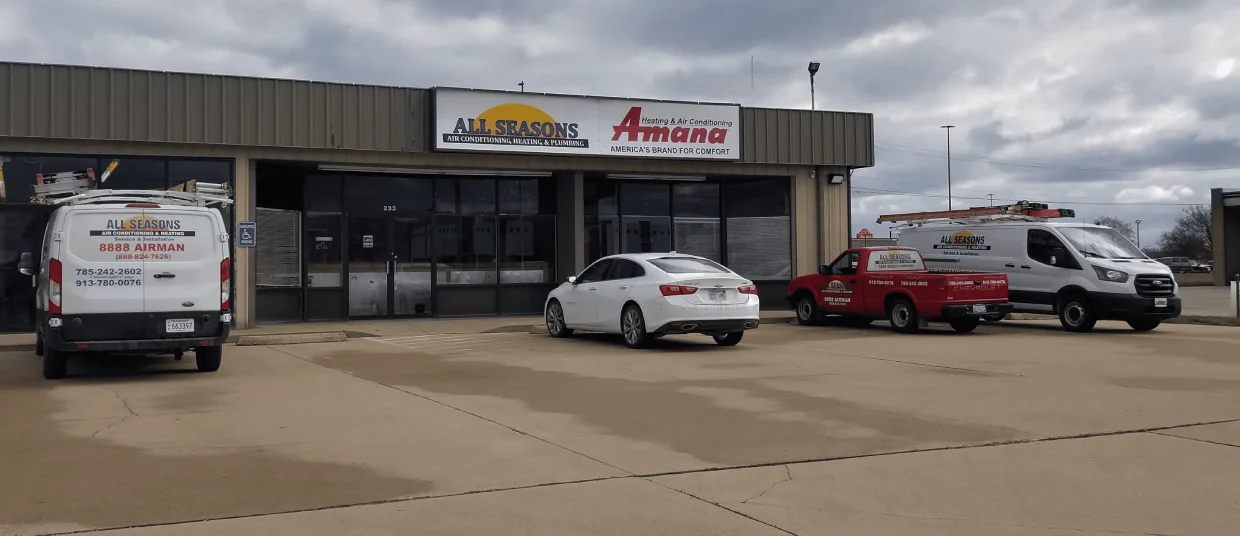
All Seasons Air Conditioning and Heating provides furnace installation in Overbrook, KS, emphasizing precise load sizing, proper equipment selection, and thorough duct and vent work to ensure safe, efficient heating. We cover site assessments using Manual J and Manual S, detail our installation steps, and address common problems such as improper duct sizing and venting. We also explain permit requirements, post-installation orientation, warranty registrations, and provide maintenance tips to maximize performance and longevity while meeting local codes and warranty conditions. Our content guides homeowners through choosing a system that perfectly fits their home and climate.
.webp)
Furnace Installation in Overbrook, KS
Replacing or installing a new furnace is one of the most important investments you can make for comfort, safety, and efficiency in Overbrook, KS homes. Winters in northeast Kansas bring prolonged cold snaps, occasional heavy snow, and wide temperature swings that make reliable heating essential. This page explains exactly what a professional furnace installation involves in Overbrook, KS, how proper sizing and ductwork affect performance, common installation problems homeowners face, and what to expect during and after the job so you can choose the right system with confidence.
Why proper furnace installation matters in Overbrook, KS
- Overbrook winters demand consistent heating; an improperly installed furnace delivers uneven comfort and higher operating costs.
- Rural and older homes in the area often have legacy ductwork, undersized gas lines, or inadequate combustion air that must be addressed for safe operation.
- Local code and permit requirements protect safety and ensure systems meet manufacturer conditions necessary for warranty coverage.
Common furnace installation types and issues in Overbrook, KS
- New gas furnace installation for natural gas service: common in town homes and newer construction.
- Conversion or propane-ready installations in areas without natural gas.
- High-efficiency condensing furnaces (AFUE 90%+) requiring PVC venting and condensate management.
- Replacements where existing ductwork, returns, or venting are inadequate.Common installation problems:
- Oversized or undersized equipment due to skipped load calculations.
- Leaky or improperly sized ducts causing pressure imbalance and cold rooms.
- Incorrect venting or lack of combustion air causing unsafe operation or limit trips.
- Electrical or gas connection errors that create hazards or boilerplate faults.
Site assessment and accurate sizing: Manual J and Manual S
A thorough site assessment is the foundation of a reliable installation. Key steps:
- Conduct a Manual J load calculation to determine heat loss for each room and the whole house. This accounts for insulation levels, window types, orientation, infiltration, and local climate factors specific to Overbrook.
- Use Manual S equipment selection to match a furnace to the calculated load and household usage patterns. This prevents short cycling and improves comfort during the coldest nights.
- Evaluate duct system with Manual D guidance when significant ductwork changes are required.Proper sizing ensures:
- Stable temperatures without frequent cycling.
- Lower fuel use and longer equipment life.
- Consistent humidity control and quieter operation.
Unit selection guidance
When choosing a furnace, consider:
- Fuel type: natural gas, propane, or electric—availability and cost patterns around Overbrook influence the best option.
- Efficiency (AFUE): higher AFUE is beneficial during long, cold winters, but installation quality impacts real-world savings as much as rating.
- Staged or modulating burners and variable-speed blowers: provide better comfort and lower operating noise in tight, older Overbrook homes.
- Venting requirements: non-condensing vs condensing units have different flue materials and clearances. Condensing furnaces often require PVC exhaust and condensate handling.
- Warranty terms and required professional registration to maintain coverage.
Ductwork and venting requirements
- Inspect existing ducts for leaks, insulation, proper sizing, and balanced supply/return layout. Small leaks can add 10–30% to heating costs in leaky Overbrook attics and crawlspaces.
- Seal and insulate ducts in unconditioned spaces to reduce heat loss during cold weather.
- Confirm proper return placement and free airflow; poorly located returns create pressure imbalances and dust infiltration.
- Venting: size and material must match the furnace type. High-efficiency units may use sealed combustion and power venting; older chimney venting may need relining or upgrading.
Professional installation steps
- Obtain required local permits and schedule any required inspections in Overbrook/Osage County.
- Verify manufacturer installation requirements for warranty compliance.
- Secure work area, protect floors, and plan for removal of the existing unit.
- Install the furnace on a level, code-compliant platform. Connect flue, combustion air, gas line, and electrical supply to local code standards.
- Properly size and connect condensate drain for high-efficiency units.
- Perform gas leak checks, pressure tests, and electrical ground and disconnect verification.
- Conduct combustion testing and flue draft checks to ensure safe venting.
- Verify thermostat wiring and program controls; set system limits per manufacturer specs.
- Measure static pressure, airflow, temperature rise across the heat exchanger, and verify proper operation through multiple heat cycles.
- Test carbon monoxide levels and combustion safety controls.
Permit, code compliance, and documentation
- Installations comply with local building codes, fuel gas codes, and manufacturer installation instructions.
- Proper permitting and inspection are necessary to ensure safe operation and maintain warranty coverage.
- Homeowners should receive a record of permits, inspection approvals, equipment model and serial numbers, and installation notes.
Post-installation customer orientation and warranty registration
- The installer should walk you through system operation: thermostat programming, filter access and replacement frequency, condensate maintenance (when applicable), and basic troubleshooting.
- Document warranty registration and file any manufacturer forms. Keep copies of installation paperwork, permits, and service records.
- Discuss recommended maintenance intervals and safety devices such as carbon monoxide detectors placed per code in sleeping areas.
Financing options and free estimate information
- For many homeowners in Overbrook, spreading cost through financing makes higher-efficiency options more accessible. Financing options and terms vary, and professional estimators can present comparable scenarios for different equipment choices.
- A no-obligation, on-site estimate including Manual J load calculations, duct evaluation, and permit requirements provides the clarity needed to make an informed decision.
Long-term benefits and maintenance advice
- Properly sized and installed furnaces deliver improved comfort, lower energy bills, and reduced repair frequency—especially important during prolonged Kansas winters.
- Routine annual Tune-Ups, timely filter changes, and periodic duct inspections extend system life and preserve efficiency.
- Keep combustion air openings and exterior vents clear in winter, and maintain working carbon monoxide alarms for household safety.
A professional furnace installation in Overbrook, KS combines accurate load sizing, correct equipment selection, careful duct and vent work, code-compliant connections, and thorough testing. When these elements are handled correctly, homeowners gain dependable, efficient heating tailored to the demands of local winters and the specifics of their home.
Customer Testimonials
Service Areas