AC Service in Wellsville, KS
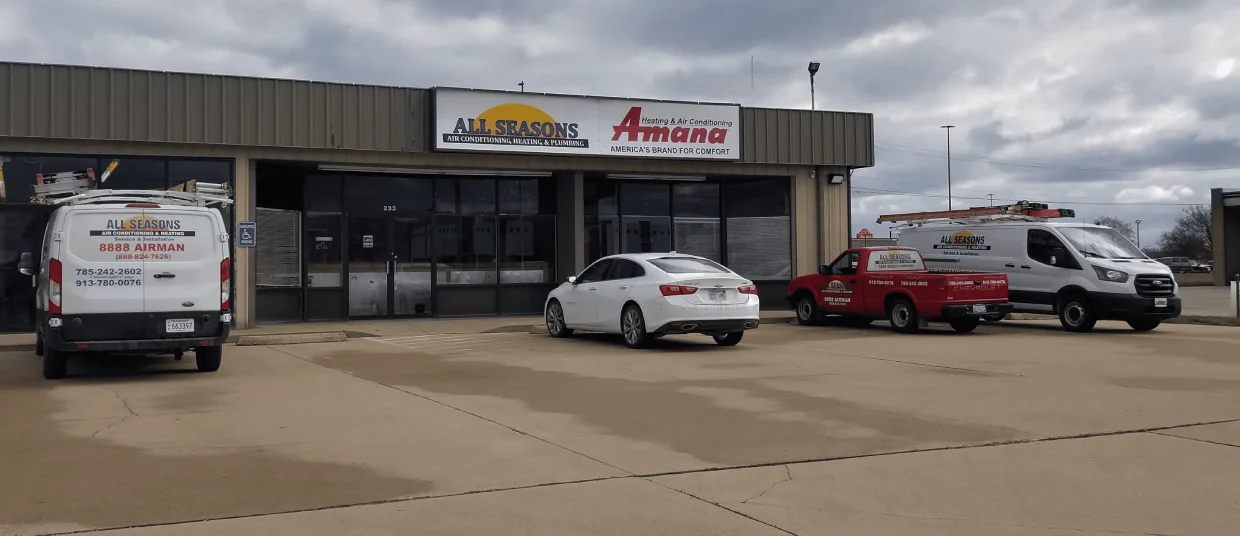
AC service in Wellsville, KS from All Seasons Air Conditioning and Heating offers comprehensive diagnostics, targeted repairs, and system optimization to maintain comfort during Kansas summers. Our thorough diagnostic process covers indoor and outdoor units, refrigerant checks, airflow and duct inspection, and humidity assessments, ensuring that we address the root causes of any issue. Our technicians are EPA-certified and highly trained in diagnostics and safe refrigerant handling, providing transparent documentation and limited warranties. We emphasize proactive maintenance, proper filter and coil care, duct sealing, and smart thermostat upgrades to help reduce outages and energy costs for your home.
.webp)
AC Service in Wellsville, KS
Keeping your home comfortable through hot, humid Kansas summers requires reliable AC service tailored to local conditions. AC Service in Wellsville, KS covers troubleshooting, diagnostics, minor repairs, part replacements, system performance optimization, and indoor comfort assessments so your system runs safely, efficiently, and reliably when you need it most. This page explains common AC issues in Wellsville homes, what a thorough diagnostic looks like, the repairs and replacements typically required, and what to expect from qualified technicians and service guarantees.
Why local AC service matters in Wellsville, KS
Wellsville experiences long, humid summers and sudden temperature swings in spring and fall. Higher humidity increases cooling demand and can hide airflow or refrigerant problems until they cause system stress. Many homes in the area have older duct systems, attic or crawlspace installations, and homes near rural areas may face dust and pollen that accelerate coil and filter clogging. Local service providers understand these patterns and can target diagnostics and fixes that account for humidity, pollen load, and home construction common to Wellsville.
Common AC issues in Wellsville homes
- Poor cooling or uneven temperatures between rooms
- Short cycling or frequent on-off cycles
- Weak airflow or low blower output
- Strange noises from the outdoor unit or ductwork
- High energy bills during summer months
- System not starting or running intermittently after storms or power events
- Frozen evaporator coils or condensate overflow
- Persistent humidity or mold odors indoors
These symptoms often indicate underlying causes like dirty coils and filters, refrigerant leaks, failing capacitors or contactors, thermostat problems, duct leakage, or failing fan and compressor components.
What a professional diagnostic includes
A complete diagnostic goes beyond a quick visual check. Expect a methodical process that identifies root causes and avoids repeat visits:
- Visual and safety inspection of both indoor and outdoor units
- Electrical testing of capacitors, contactors, relays, and motors
- Refrigerant pressure check and leak detection if charge is abnormal
- Airflow measurements across vents and static pressure checks
- Evaporator and condenser coil condition assessment and cleaning as needed
- Condensate drain inspection and cleaning to prevent overflow
- Thermostat calibration and temperature differential (delta T) measurement
- Duct inspection for obvious leaks, blockages, or insulation issues
- Indoor humidity and comfort assessment tied to load and system performance
Documenting measured values (temperatures, pressures, amperages) helps technicians recommend the right repairs or optimizations rather than guesswork.
Minor repairs and common part replacements
Many issues can be resolved during a single service visit with the right parts and expertise:
- Replace clogged filters and clean coils to restore airflow and efficiency
- Replace start/run capacitors and contactors that cause hard starts or no-starts
- Repair or replace fan motors and blower assemblies to restore airflow
- Clear condensate drains and repair condensate pumps to stop water issues
- Replace thermostats or control sensors for accurate temperature control
- Repair small refrigerant leaks and recharge the system where appropriate
- Replace outdoor contactors, relays, and fuses that are safety-related failures
Major components like compressors are addressed when diagnostics indicate failure or poor efficiency, and technicians will outline options for replacement versus system replacement based on age, efficiency, and cost.
System performance optimization and comfort assessments
Optimizing an existing system can improve comfort and lower utility costs without full replacement:
- Refrigerant charge optimization to manufacturer specifications
- Duct sealing and insulation to correct pressure imbalances and reduce losses
- Airflow balancing and register adjustments for even room temperatures
- Upgrading to programmable or smart thermostats for better temperature control and scheduling
- Assessing whether the current system is correctly sized; undersized units run constantly while oversized units short cycle
- Addressing humidity with adjustments, proper airflow, or supplemental dehumidification when necessary
A professional indoor comfort assessment often includes a load evaluation and recommendations for balancing efficiency, comfort, and longevity of the equipment.
Technician qualifications and service guarantees
When scheduling AC service, expect technicians to be properly certified and trained:
- EPA certification for refrigerant handling is essential and expected
- Technicians often hold training certificates in HVAC diagnostics and repair, including comfort advisor or mechanical certificates
- Proper safety practices for electrical and refrigerant work are followed during every visit
Reputable service providers will document the work performed and offer clear parts and workmanship terms. Standard practices include parts warranties from manufacturers and short-term workmanship guarantees to ensure repairs hold up under normal use.
Seasonal and maintenance tips specific to Wellsville
- Change 1 inch filters monthly during peak use; thicker filters require different handling and may be replaced less frequently
- Schedule spring Tune-Ups to verify refrigerant charge, clean coils, and test safety controls before hot weather sets in
- Clean outdoor units of grass, pollen, and debris regularly to maintain airflow and efficiency
- Inspect and insulate exposed ductwork in attics or crawlspaces to reduce cooling load
- Monitor indoor humidity; if relative humidity remains high after fixing airflow issues, consider a whole-house or standalone dehumidifier
Regular maintenance reduces emergency repairs and keeps equipment running at peak efficiency in Wellsville summers.
Customer Testimonials
Service Areas